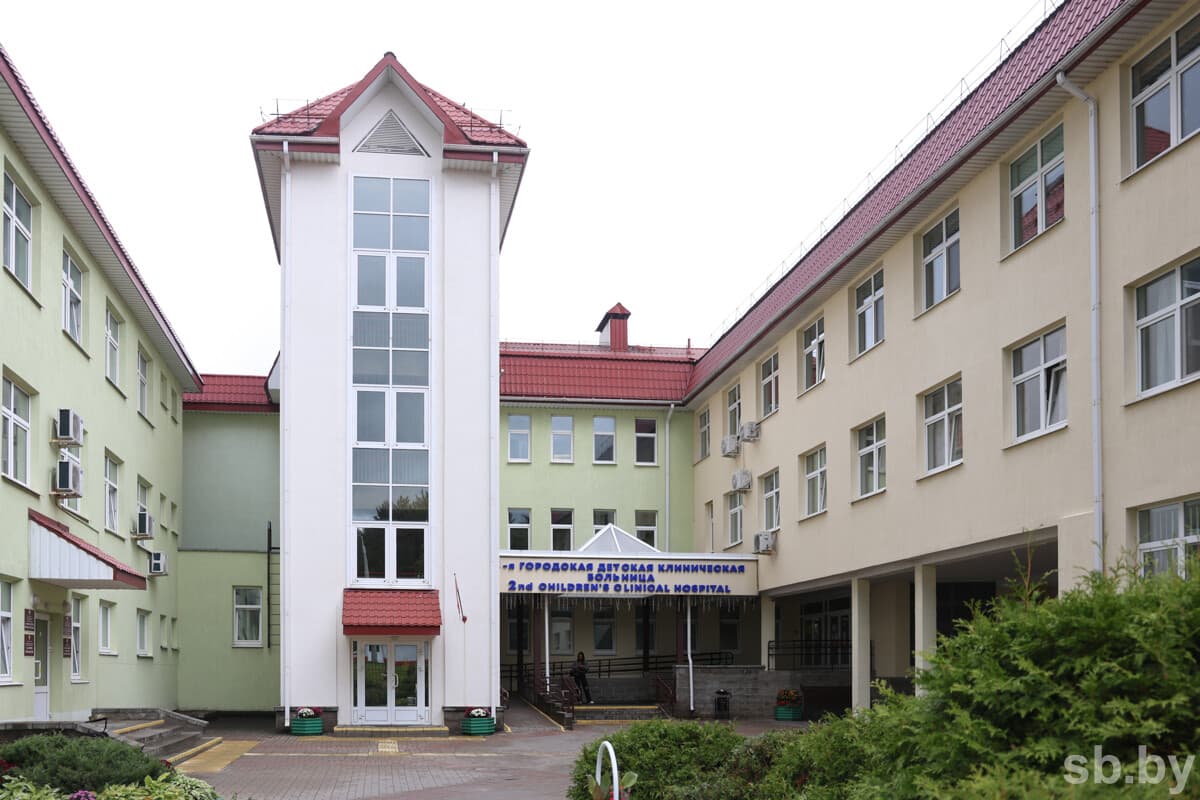
Dialysis, transplantation and school for parents: how to treat kidney disease in the 2nd Children's Hospital of Minsk
During the year, about 2,000 patients are treated in the hospital of the pediatric department No. 1 for nephrological patients of the 2nd Children's Clinical Hospital of Minsk. Many with ...
During the year, about 2,000 patients are treated in the hospital of the pediatric department No. 1 for nephrological patients of the 2nd Children's Clinical Hospital of Minsk. Many - with infections of the urinary system: pyelonephritis, especially in young children, often developing against the background of congenital abnormalities or bladder dysfunction, as well as lower urinary tract infections, including chronic cystitis, reports sb.by.
The second large block of patients with immune pathology of the kidneys. Another group - with the 3rd, 4th and 5th stages of chronic kidney disease. These children need specific treatment, replacement therapy or transplantation.
- Peritoneal and hemodialysis remain high-tech and effective methods of treatment, emphasized the chief freelance specialist in pediatric nephrology of the Health Committee of the Minsk City Executive Committee, head of the department Natalia Tour. For example, peritoneal is carried out automatically: the child lives a normal day life, and at night connects to the device, which independently performs cycles of pouring and removing a solution that cleanses the body of toxins. But the best method of replacement therapy is a kidney transplant: it provides a high quality of life, does not bind the child to dialysis and allows you to lead a normal active life.

This method of treatment is available and effective, and the average waiting time for a transplant in the country is about four months. Examination and transplantation are performed promptly, which also allows inviting foreign patients. Residents of other countries apply not only for transplantation, but also for immunohistochemical diagnosis and nephrobiopsy, necessary for severe immune diseases. The institution receives letters of thanks from foreign clinics.
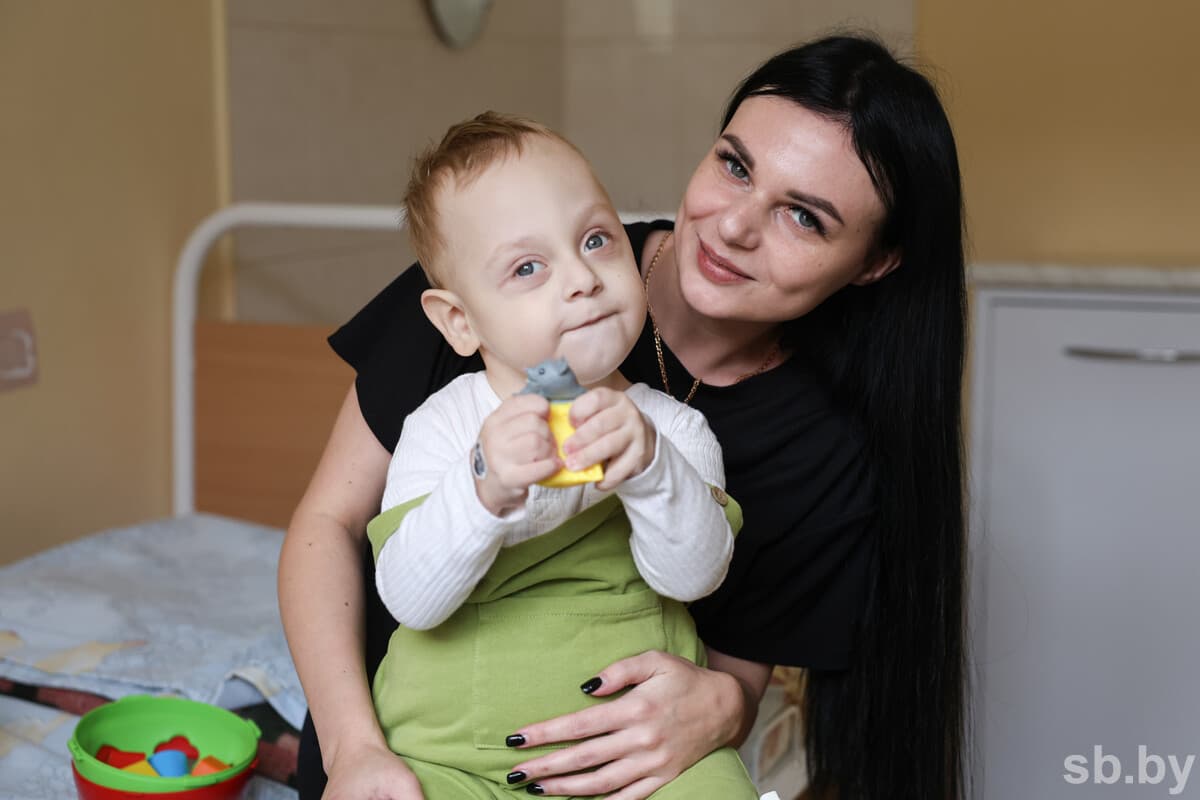
A kidney transplant was recently performed on three-year-old Mark from Grodno: he was born with congenital kidney failure. Doctors say the graft function is satisfactory. Mom Anita Kushner says: the well-being of the baby after the transplant has improved significantly: – Previously used peritoneal dialysis. The son was connected in the evening to the machine, and he was limited in movement. No longer does the device “buzz” at night, Mark began to sleep better, smile more often. Thanks to the care of the state and the President personally, an excellent health care system is being developed, expensive equipment is being purchased, and professional personnel are being trained. Thank you for saving my son!
Natalia Tour said that the specificity of pediatric nephrology is associated with a large number of congenital anomalies of the urinary system. The most common of them is vesicular reflux. Parents often do not attach importance to symptoms such as abdominal pain, fever or leukocyte levels, although they may indicate an infection of the urinary system. The clinic operates a nephrological school, where parents are warned: with an unreasonable increase in temperature or constant abdominal pain, it is necessary to take a urine test. Kidney diseases are not always manifested by back pain, as is commonly believed.