Belarusians are fond of tropical fruits and vegetables: are they useful? Spoiler: Yes. Oh, and what!
Winter is the traditional season of fruit and vegetable exotics in the daily diet of Belarusians. With changing eating habits, increased trade and affordability...
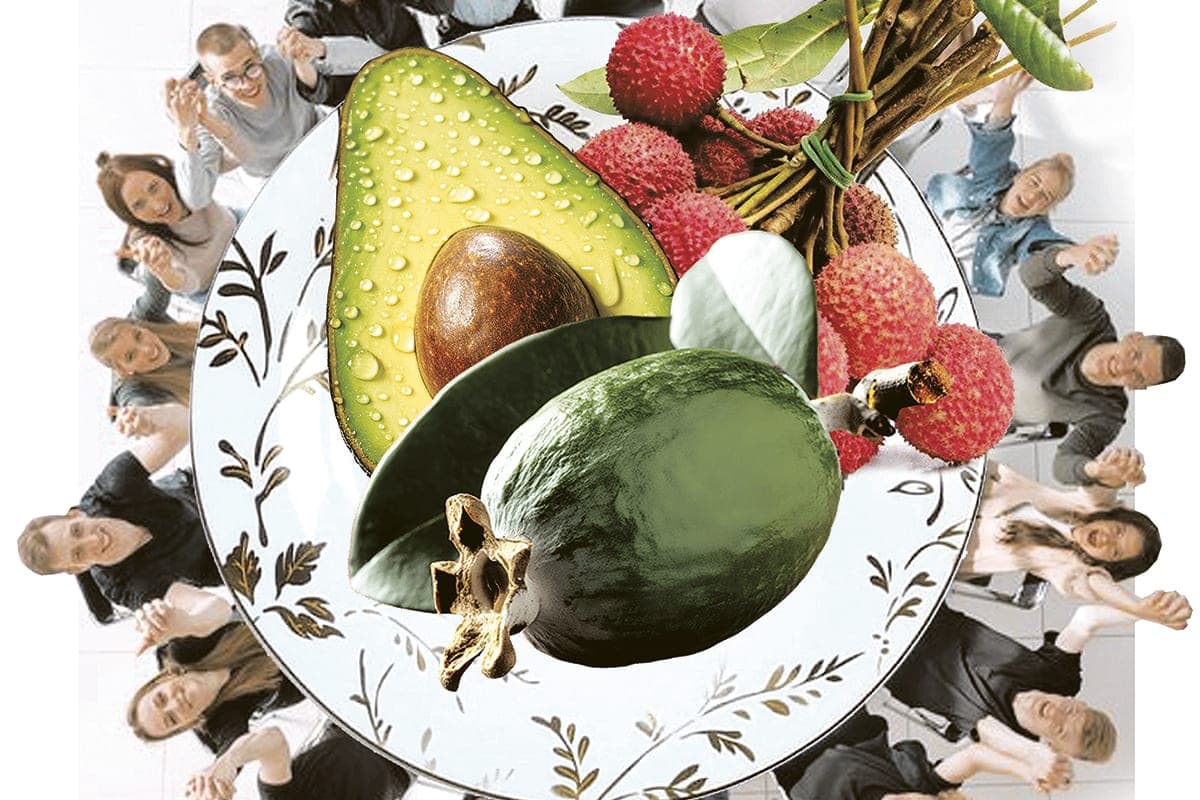
Winter is the traditional season of fruit and vegetable exotics in the daily diet of Belarusians. Thanks to changed eating habits, the growth of trade and the availability of information, we curiously try new products, and our favorite products become regulars in our refrigerators. The Internet is full of non-scientific articles about the incredible benefits of unusual fruits, but how bold are these statements true? Let's figure it out.


Maria Litvinova. Surely you have heard the opinion that our body is genetically predisposed only to certain products that are grown in the territory we know. For example, we absorb apples much better than any Chinese grapes, and cabbage is more useful for us than Brussels or broccoli. Dietitian, nutritionist, founder of the online weight loss clinic Maria Litvinova is sure that the rational link in such statements really is:
- This is because genes determine the body’s ability to absorb, process and store nutrients, as well as affect the response to certain components of food. There is even a science called nutrigenomics that studies how nutrition and food components affect gene expression, that is, the process of converting hereditary information into a functional product (RNA or protein). Genes affect lactose tolerance, absorption of gluten and other proteins, metabolism of fats and carbohydrates, as well as a predisposition to allergies to certain food components. It is proved that about 20% of people in the world are susceptible to reactions of hypersensitivity and intolerance to tropical and exotic fruits and vegetables. However, for such children and adults, there is good news: domestic analogues are no worse in their nutritional properties. As for the remaining 80% of people, we will also find a “motivashka” for them: it is believed that the more diverse the food, the more benefits it brings to the body. Therefore, of course, it is not necessary to fundamentally abandon exotic vegetables and fruits. At least because some of them are truly a storehouse of vitamins we need. Over the past decades, this fruit has become an integral part of the diet of tens of millions of people around the world. It is appreciated for its rich taste, versatility in cooking and, of course, for the rich composition of useful elements.
- First of all, these are fats that improve the lipid profile, says Maria Litvinova. Avocados are strongly recommended for people with diabetes, overweight and obesity. Yes, and this fruit is very high in calories. But - due to useful monounsaturated fatty acids, which contribute to maintaining the health of the cardiovascular system, reducing the level of "bad" cholesterol in the blood and improving metabolic processes in the body. Avocado is slowly absorbed, so a person has a long feeling of satiety, and this is extremely important in violation of fat or carbohydrate metabolism. A low glycemic index prevents sharp jumps in sugar and insulin. Curious fact: avocado added to a hamburger reduces the pro-inflammatory properties of fast food! And in women, this fruit helps prevent visceral obesity.
Plus, it is rich in vitamins and antioxidants, reduces the level of “bad” cholesterol, improves the condition of the vascular wall and promotes the absorption of carotenoids – precursors of vitamin A, which we all need to maintain good vision, healthy skin and hair, strengthen immunity. But in order to maximize its useful properties, enter this fruit into the diet is necessary on a permanent basis. The basic minimum is one avocado per day for 4-5 weeks.
Of course, there are contraindications: individual intolerance and allergic reactions (rarely, but possible); with excessive use - the risk of weight gain due to high calorie content. People with liver diseases, gallbladder should also use avocados with caution, it is better to consult a doctor. Another important nuance: the bone and peel of avocados contain substances that are potentially toxic to humans and pets.
Important Lifehack: Avocado color is the first and fastest marker of ripeness, but it only works for the right variety. The vast majority of these fruits in our stores of the variety "hass". It is easily recognized by its bumpy dark green or almost black skin. It is the “hass” color is a reliable indicator of maturity: the undersung fruit is bright green, and only as the skin matures, it darkens to a dark purple or almost black hue. But be careful: such colors in combination with pulp - a signal of overripe.
Smooth-skinned varieties ("fuerte", "Zutano", "bacon") remain green regardless of the degree of ripeness. With them, it is better to conduct a test for softness: put the fruit on your palm and gently squeeze with your whole hand, evenly, without pressing your fingers to one point. Next, look at the reaction:
• does not lend itself - the fruit is immature, starch has not yet turned into oil, the taste will be bitter and grassy;
slightly spring and return to its original state - ideal ripeness;
♦ dent remains - the fruit overripes or is already overripe;
soft, but uneven - there are hard and soft areas. This is a sign of uneven maturation or mechanical damage inside. It is better not to take such fruit. The season of fresh lychee fruits falls mainly in the winter months, but in canned form they can be eaten all year round. The health benefits of this fruit are largely due to the rich vitamin and mineral composition, so that the Chinese plum can not only diversify the usual diet, but also become a source of essential substances.
Perhaps the most important property of lychee is that it reduces cognitive impairment of the body, that is, slows the progression of Alzheimer’s disease. There are even bold claims: you eat three lychees a day for many years - and you are not threatened with Alzheimer's disease. Of course, this is an exaggeration, but the Chinese plum actually prevents this disease: scientific studies have proven that eating lychee improves memory due to the high content of flavonoids. Potassium, which is present in large quantities in these fruits, helps control blood pressure levels and reduces the risk of developing hypertension, which is especially important for cardiovascular health. Vitamin C strengthens the walls of blood vessels, helps to improve blood circulation and reduce cholesterol. Lychee fruits also contain vitamin B6, which plays an important role in the normal functioning of the nervous system: it is necessary for the synthesis of serotonin and norepinephrine, which are responsible for our mood, how we cope with stress, and even appetite.
- The most important thing is not to eat immature lychee fruits, which contain dangerous toxins that dramatically reduce blood sugar levels, warns Maria Litvinova. In addition, this fruit can cause allergic reactions. Be especially careful if you are allergic to other fruits or exotic foods. Another caveat: fruits contain a large amount of sugar, so people with diabetes should use them with caution, after consulting with their doctor. Limit consumption or completely exclude from the diet of lychee is recommended for those who are diagnosed with gout. Children and adults with sensitive stomachs should also exercise caution: lychees can provoke intestinal disorders. The plant is native to South America, and in the CIS countries feijoa is grown mainly in Dagestan and some regions of the Krasnodar Territory. The unusual taste of an exotic berry, reminiscent of a mixture of pineapple, strawberries and kiwi, as well as a rich vitamin composition make feijoa a real find for those who care about health.
- Dietary fiber, which is rich in fruits, contribute to the normalization of digestion, the prevention of constipation and flatulence, and also protect the intestines from inflammatory processes, says Maria Litvinova. Feijoa has a very high content of iodine, which is necessary for the synthesis of thyroid hormones and the prevention of iodine deficiency conditions. The fruit also contains zinc, magnesium, calcium, phosphorus and other trace elements that are involved in metabolism, support the health of bones, skin and nervous system. With chronic fatigue, obesity, hypovitaminosis, loss of strength, doctors advise to eat six feijoa berries daily.
Scientific studies have shown that with weight loss, regular use of feijoa also helps to reduce blood pressure. In addition, it is a very useful fruit for the female body: a high content of zinc contributes to the normalization of hormonal balance and supports the functions of the ovaries. Folic acid, which is rich in fruits, is necessary for the proper development of the nervous system of the fetus and the prevention of congenital defects. Regular consumption of feijoa helps reduce the risk of anemia in pregnant women.
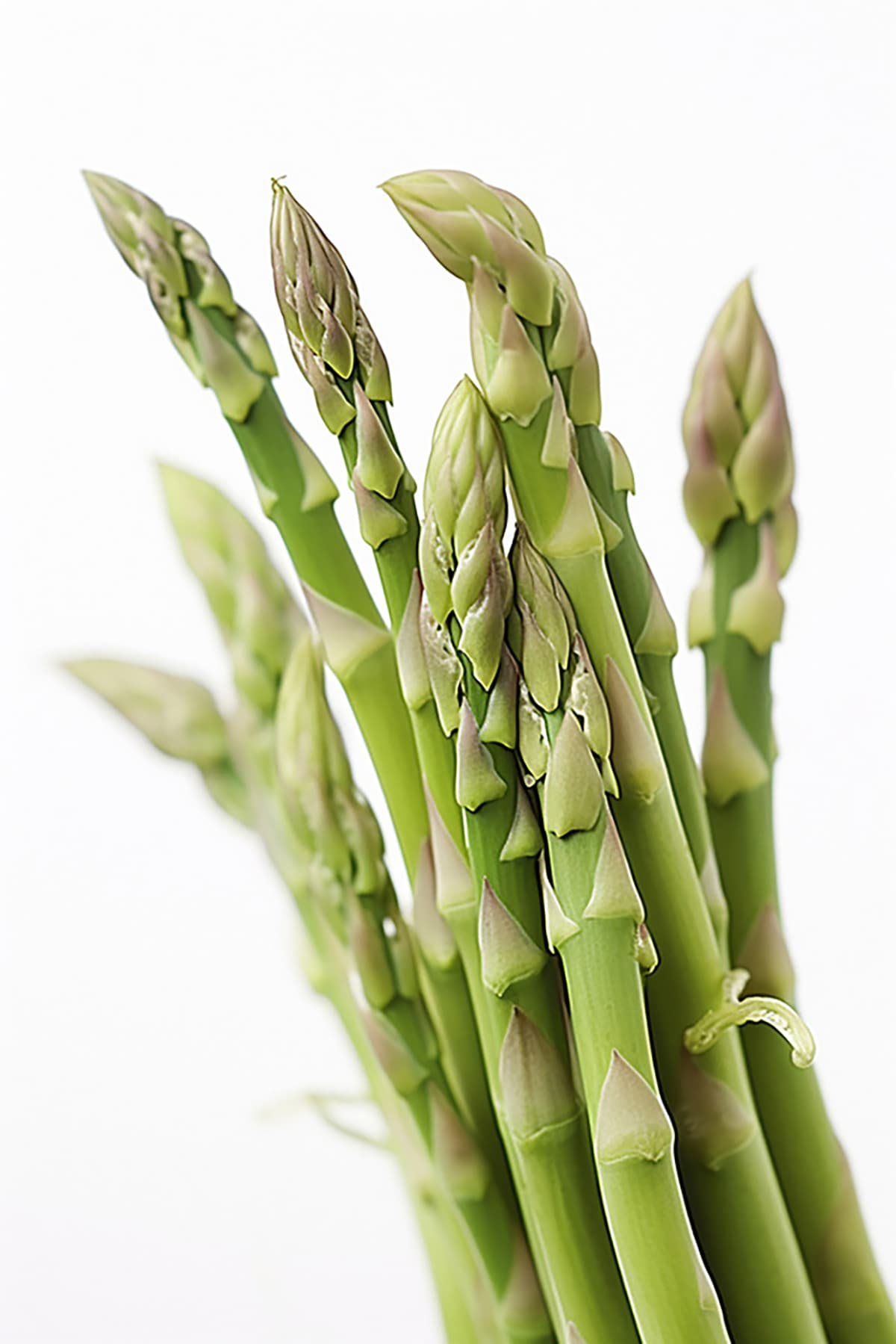
Vitamins A, C and E, as well as antioxidants help maintain skin elasticity, protect it from premature aging, improve the condition of hair and nails. And feijoa helps to remove excess fluid from the body, which contributes to the prevention of edema and facilitates the course of premenstrual syndrome. From exotic fruits to exotic vegetables. And you can't do without asparagus. Its value is due to a balanced combination of low calorie, good nutritional density and the presence of several key micronutrients.
- This vegetable is almost entirely composed of water, contains very little fat and a moderate amount of protein with carbohydrates. At the same time, asparagus is low-calorie, but due to the volume and dietary fiber creates a feeling of satiety, says Maria Litvinova. In my opinion, it is an excellent source of soluble and insoluble fibers (fiber), which stimulate intestinal peristalsis, support a beneficial microbiota and promote regular stool. As we know, fiber in addition to everything else slows down the absorption of carbohydrates, which helps to avoid sharp jumps in blood glucose.
In addition, asparagus is a source of vitamin K, which is involved in the release of blood clotting factors and activates proteins responsible for bone mineralization. Sufficient intake of this vitamin supports bone health and normal blood clotting. Also, the vegetable contains a moderate amount of folate, which are necessary for DNA synthesis, cell division and the formation of red blood cells. Their reasonable consumption is especially important for women when planning pregnancy and children during growth.
And yet, despite its rich nutrient composition, asparagus is not suitable for everyone. Current clinical studies indicate that the plant purines contained in this vegetable do not increase the risk of exacerbation of gout in the same way as animal proteins. Nevertheless, in severe disease or in its acute period, it is advisable to observe moderation and take into account the overall purine balance of the diet.
In addition, the active components of asparagus enhance the production of gastric juice and bile. During the period of exacerbation of gastritis, peptic ulcer, pancreatitis or cholecystitis, it is better to temporarily limit the use of the product.
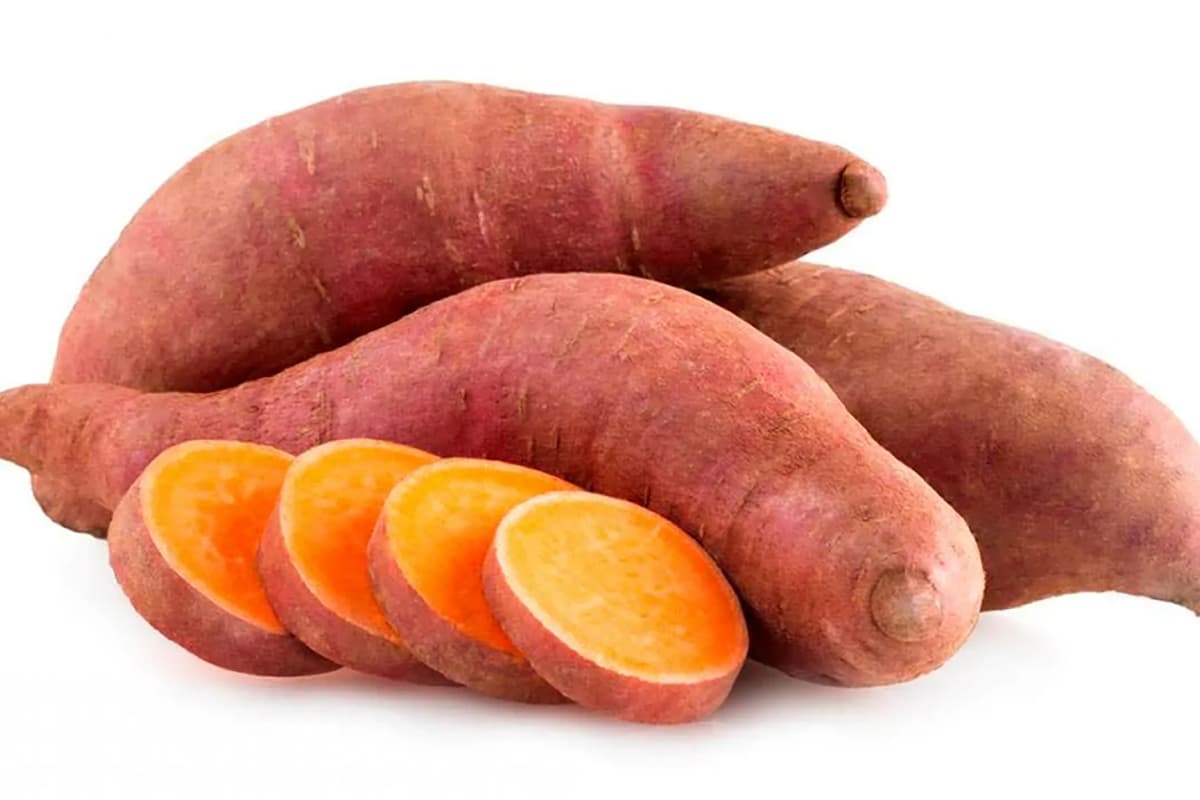
This vegetable is called “sweet potatoes”, although, to be honest, it is the seventh water on the acid in terms of family ties. Sweet potato has a rather specific taste: something between pumpkin and carrots, it contains a large amount of beta-carotene, the precursor of vitamin A, which we talked about above.
All varieties of sweet potato are divided into three groups: feed, vegetable and dessert. The last two are suitable for food. The difference is the amount of glucose. Vegetable varieties have little glucose, tubers taste really like potatoes. Dessert sugar is much more, tubers are sweet. The taste and aroma varies depending on the variety and can resemble pineapple, banana, carrot, chestnut or pumpkin.
Beta-carotene, which is abundant in sweet potatoes, is essential for eye health. But this is not the only vitamin in this vegetable to guard our eyes. In root vegetables with orange flesh, one of the dominant compounds is lutein. Scientists believe that a special diet with foods that contain lutein helps treat some ophthalmic diseases.
- Sweet potatoes retain a feeling of satiety for longer due to their high fiber and water content, explains Maria Litvinova. This is important for people who want to lose weight. Also in sweet potatoes there are vitamins B5 and B6, which contribute to a healthy metabolism. And this vegetable is a good source of vitamins A, C, E and antioxidants. The main thing to remember is that too much depends on how the product is prepared. Baking, stewing and frying increase the glycemic index of sweet potatoes and cause spikes in blood sugar levels. The GI of boiled sweet potatoes can be as low as 41, whereas the value of fried sweet potatoes can be as high as 93. If you have type 2 diabetes, consult your doctor about including this vegetable in your diet.
Zumers will surely be surprised, and millennials will definitely remember: once bananas were a real exotic for us. To the specific “soapy” taste unpampered by food diversity, Soviet citizens did not get used immediately, but over time they appreciated and fell in love with this fruit that has gained stunning popularity. Now it can be found in any grocery store, in markets, among the assortment of street stalls. There are lovers of yellow bananas, and there are those who do not mind eating dark brown, soft, rotten: such specimens are appreciated for their especially sweet taste and lack of viscosity.
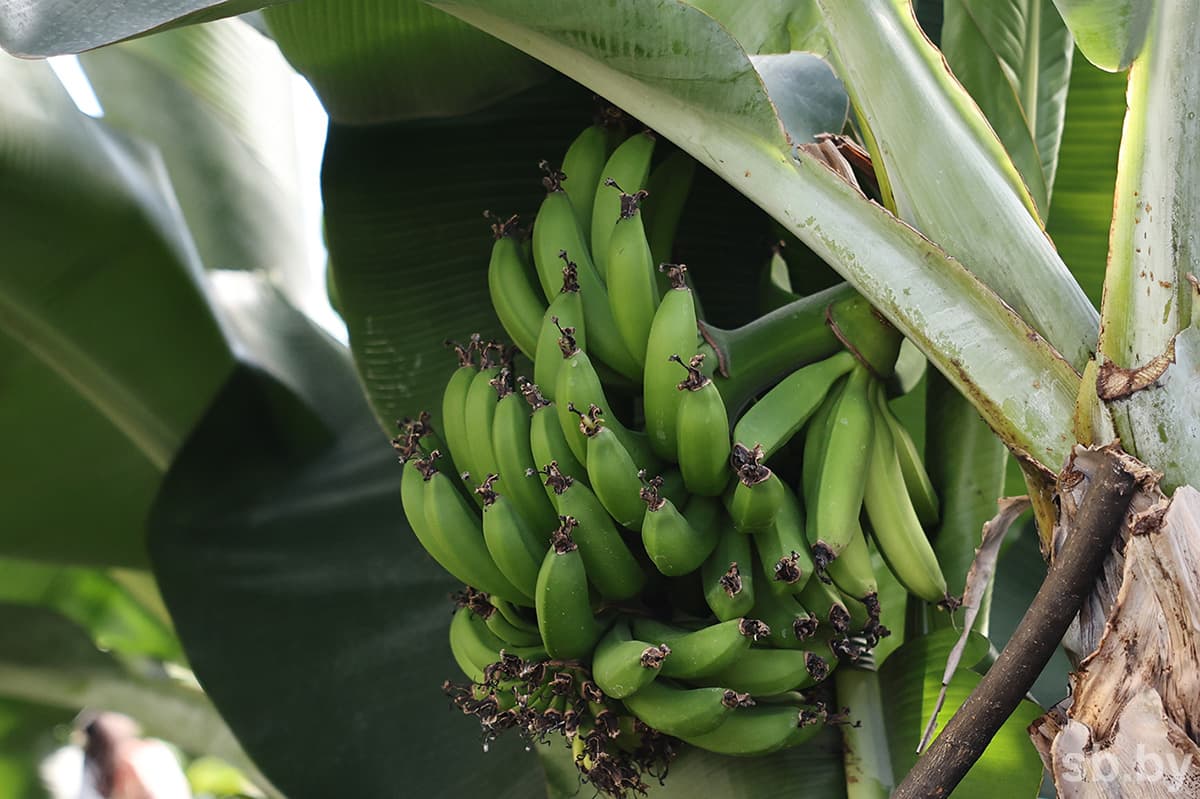
- However, the greatest health benefits are unripe varieties with slightly greenish skin due to the large amount of resistant starch, which is very long turned into sugar, explains Maria Litvinova. - Ripe sweet yellow, overripe black bananas are very high-calorie - this is already pure glucose, which is not useful for everyone: it is desirable for patients with diabetes to not get carried away with bananas at all. And if you are overweight and obese, it is better to adhere to the principle of reasonable restriction: no more than one fruit per day.
An interesting fact: bananas have pharmaceutical properties due to the presence of biologically active compounds in their composition. They contain antioxidants (such as catechins), dopamine, carotenoids, vitamins C and A, which help neutralize free radicals, reduce oxidative stress and strengthen the immune system. Individual components of the fruit exhibit preventive and antitumor activity in breast, cervical, colon, esophagus, liver, oral, prostate and skin cancers.
Bananas are a natural antidepressant! The biogenic amines present in them - serotonin, tyramine and dopamine - affect the central nervous system. They contain vitamin B6, useful for beauty and skin, the lack of which can cause bad mood and fatigue. So in the autumn-winter season of low gray sky, causeless melancholy, loss of strength and depression, this food is indispensable.