
Stones grow not only in the kidneys: doctors explained how to reduce the risk of diseases
When it comes to stones, many immediately imagine kidney colic
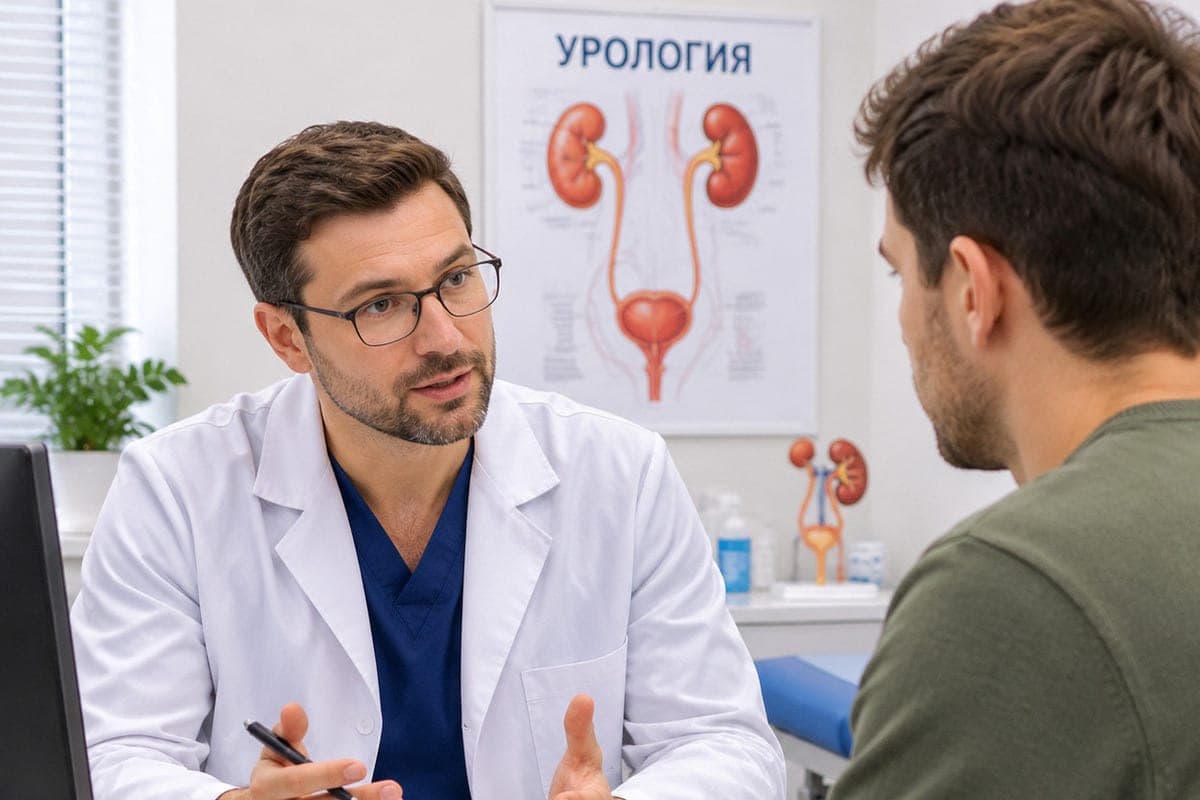
When it comes to stones, many immediately imagine renal colic. However, salts and other substances can be deposited not only in the kidneys. Similar formations are found in the gallbladder, bladder, salivary glands, prostate gland and even on the teeth.
Gastroenterologist Olga Patyukova told where the stones come from, why they appear in different organs and what to do with them.
Often, a person learns about the stones by accident – on an ultrasound or when visiting a dentist. Sometimes things change when the formation blocks the fluid’s path and causes pain, stagnation, or inflammation.
Where stones form
Stones can appear in the kidneys and bladder, gallbladder and bile ducts, salivary glands, prostate gland. A separate story is tartar: dense plaque, which is formed from the remains of food, bacteria and saliva minerals.
The composition of the stones in each case is different, but the principle of education is similar. As long as the stone is small and does not move, a person may not know about it. Problems begin when it blocks the duct, injures tissue or becomes a focus of infection.
Why the body "builds" stones
In fact, any stone is a crystallization of substances that normally should remain dissolved or calmly excreted from the body.
In urine, these are salts, in bile - components that, when changing its composition, precipitate, in saliva - minerals that can impregnate a soft coating. The impetus can be stagnation of the fluid, a change in its composition, lack of water, infection or metabolic disorders.
Crystals gradually stick together, overgrown with new layers and turn into a dense formation. This process rarely occurs in a single day: more often it is preceded by months or even years.
Dental stone is not a cosmetic problem
By mechanism, tartar is the same process, only in the mouth. If the plaque is not removed in time, it is impregnated with saliva minerals and hardens.
Then the stone begins to irritate the gums and becomes a shelter for bacteria. This is no longer a cosmetic trifle: tartar is one of the causes of inflammation of the gums and loss of support of the teeth.
That is why professional teeth cleaning should not be postponed until bleeding gums.
Why Small Stones Are Sometimes More Dangerous
A stone that blocked the duct causes pain, stagnation and infection. In the kidneys and gallbladder, this can lead to colic and disruption of the organ.
Small stones are often more dangerous than large ones: they are more easily displaced, moved and can get stuck where a large formation would simply remain in place.
Therefore, size is not the only criterion. The doctor also assesses the location of the stone, its mobility and whether it blocks the outflow of fluid.
What to do to reduce the risk
To reduce the risk of stone formation, doctors advise:
drink enough water;
do not start oral hygiene and professional teeth cleaning;
move more;
with a tendency to stone formation to revise the diet;
do not ignore chronic diseases and metabolic disorders.
It is especially important to prevent dehydration: lack of fluid contributes to the concentration of salts in the urine and increases the risk of their crystallization.
When you can't wait
There are situations when you need to seek help immediately:
sharp pain;
blood in the urine;
temperature rise;
gum bleeding.
In such cases, a doctor is needed to determine whether it is possible to observe the stone, whether its crushing or removal is required. Self-medication and the expectation that “it will pass by itself” are bad advisers: the sooner the cause is found out, the lower the risk of complications.
Mainstream
Stones are not just a "kidney" story. This is a reflection of the general condition of the body: somewhere the fluid is retained, its composition changes or an infection joins.
The kidneys, gallbladder, salivary glands, prostate gland and teeth have their own characteristics, but the logic of stone formation is largely the same. The task of a person is not to ignore the signals of the body, to undergo examinations in time and adjust lifestyle, without bringing the situation to acute pain and complications.


