
Find out why you can no longer withdraw cash from charity accounts
Presidential Decree No. 304 “On Foundations and Charitable Activities in the Sphere of Healthcare” has been in force since September 12. The document comes from life: it was necessary ...

Presidential Decree No. 304 “On Foundations and Charitable Activities in the Sphere of Healthcare” has been in force since September 12. The document comes from life: it was necessary to restore order in the charitable sphere, so that the money of the donors did not fall to the fraudsters, and the help reached the needy, bypassing unclean intermediaries. Previously, funds for treatment were collected quite freely (through personal cards, with cashing and without strict reporting), but now the decree builds a system where the state and society can track every ruble.
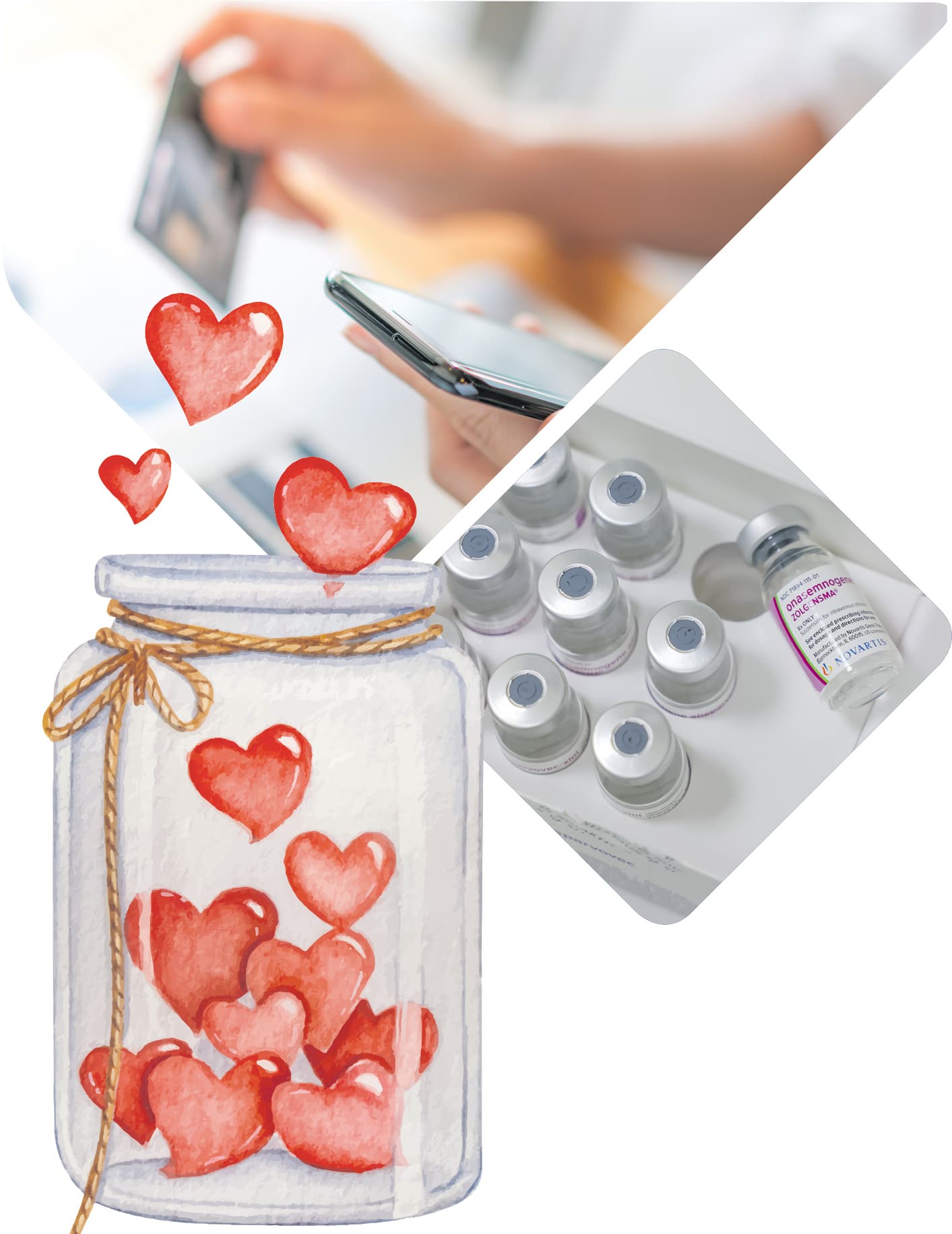
Where did the money go? Among the novelties of the decree is the use of funds only in a non-cash way. Why did this need arise? Last year, the situation in the field of charitable assistance was studied by the State Control Committee. Experts found that the circulation of cash without any control in some cases led to their spending for purposes not related to charity. Unclaimed fees were not redistributed: after their closure, money continued to flow to the accounts, which were subsequently cashed, but it is impossible to reliably establish for what purposes they were spent.
Andrey Miranovich, head of the budget and state property control department for Minsk of the State Control Committee, told SB Belarus Today about the results of the inspections: In some cases, the owners of charitable organizations used the collected funds for personal needs. In addition, dozens of cases were identified when the money was cashed by the heirs of those for whom the collection was carried out. It was about hundreds of thousands of rubles. Most of the abuse occurred in cash transactions. The lack of clear rules and the inability to control the use of cash have led to a review of the fundraising system by charities. Decree No. 304 regulates all approaches to non-cash financing of necessary assistance. At the same time, state and regulatory bodies are constantly monitoring the application of the decree. The family of Daniil Osyko from Baranovichi, who received an expensive gene therapy drug Zolgensma, did not need to withdraw cash. Six months ago at the RSPC “Mother and Child” the boy received a life-saving injection. The charity account has funds that may be needed for further rehabilitation – their family also plans to use non-cash with documentary evidence. Father Ivan Osyko emphasizes: Until now, we have not paid a penny for the restoration that took place in Belarus. Soon we are going to one of the Belarusian rehabilitation and health centers with our son. After the introduction of the drug, Danik had a positive trend. He gets up on his feet, crawls himself, gets off the bed. He's two years old now. We hope that with the help of doctors the condition will become even better.
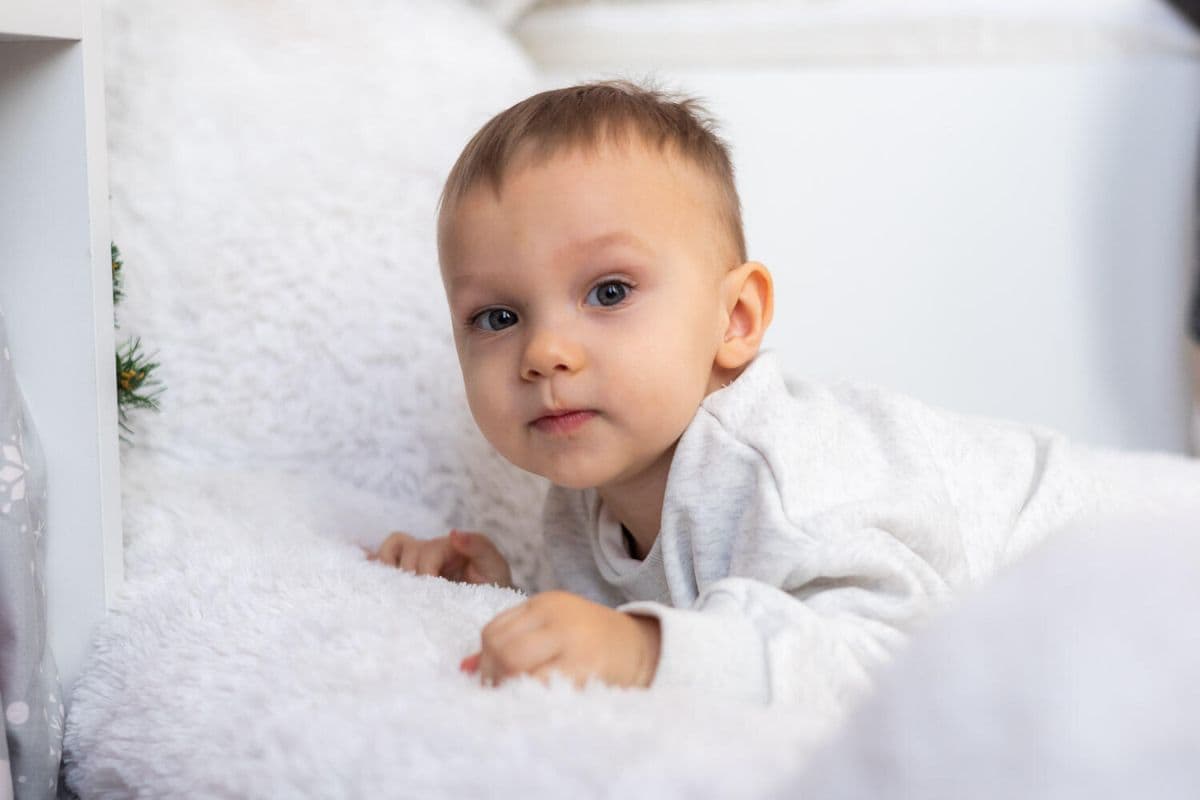
Parents remember: Danik went to 11 months, but over time this skill did not improve, on the contrary, it was increasingly difficult for the boy to get on his feet. The child was diagnosed with type III SMA. The disease, in which the muscles weaken literally every day, did not leave time for swelling. Promptly opened a fee for $ 1,815,000. Many sympathetic people responded, enterprises of Brest region and other regions made a significant contribution. As a result, the baby received an injection. Why is there a need for a new regulation? Recently, there have been enough concrete examples of how someone else’s trouble turned into a source of profit. The most notorious case was in Grodno. In the summer of 2025, a blogger with an audience of about 190,000 followers invited the mother of a seriously ill nine-year-old boy, Vanya Stetsenko, to help raise funds through his Instagram blog. The scheme looked beautiful: the subscriber had to transfer 10 rubles and get the number of the participant of the draw of smartphones and even a car, and the money allegedly would have gone to pay for the drug for the child. In fact, it was different. To collect the blogger used more than 20 bank accounts of relatives and acquaintances, as well as several SIM cards. In total, these accounts and numbers received more than 2 million rubles. The mother of the child, he gave only a small part, the rest spent on renting luxury housing, expensive restaurants, foreign trips, gambling and gifts to subscribers for further promotion of the account. After the suppression of criminal activity, part of the money under the control of law enforcement agencies was transferred to a charitable account, in connection with which the collection was completed. The court sentenced the blogger to 1 year 6 months of imprisonment, confiscation of more than 139 thousand rubles and compensation for moral damage.
The Ministry of Justice clarified that thanks to the new decree, the circle of those who have the right to open fees is clearly outlined: these are the needy themselves, their close relatives, as well as profile charitable foundations, public associations and institutions. It is important that only one charity bank account can be opened for one person in need. This completely eliminates the practice of parallel charges at different financial institutions, which created loopholes for fraud. Third-party people – volunteers or bloggers – are not allowed to create duplicate accounts in the patient’s name.
The Ministry of Justice also explained what bloggers can do: transfer funds for announced fees, post information about them in their accounts, on pages in messengers. But the influencer has the right to collect money independently only if he or his relatives need medical care. And this is an absolutely fair innovation, says blogger-million-dollar Yevgeny Onegin: People once read the news that bloggers are scams, and next time they will be wary of not transferring money. According to the stories of parents and volunteers, this happened inside other gatherings. The President's decree will increase trust in charity. Now Belarusians know for sure that their money goes to save the child, and not into the hands of those who try to take advantage of someone else’s trouble. Another story turned out loud: in Minsk, the social and charitable institution KinderVita, which profited from someone else’s trouble, was liquidated. The organization raised money for the treatment of children with cancer, held one-time events, and the rest of the donations went to alcohol, parties and personal needs. Moreover, the founders tried by the hands of parents of seriously ill children to raise a wave of discontent. They did not take into account only that their scandalous videos, where the so-called benefactors “master” donations at feasts and in baths, will get infected.
THEME
Special attention should be paid to the new requirements for funds working in the field of health care. The minimum size of property for their creation and operation is doubled. The main goal is to cut off fictitious organizations, guarantee financial stability and protect people from fraud. The cost of maintaining the fund itself is also significantly limited. No more than 20 percent of the sum of all cash receipts for the previous year can be directed to the remuneration of employees, payments under civil contracts and entrepreneurial activity. Donations from people and organizations are prohibited for business. The logic here is clear: money given to people for treatment should go to a good cause, not to support commercial appetites.
basikirskaya@sb.by


