Our ancestors experienced the full power of the repressive apparatus of the Polish authorities: a historian about the Polonization of Belarusians
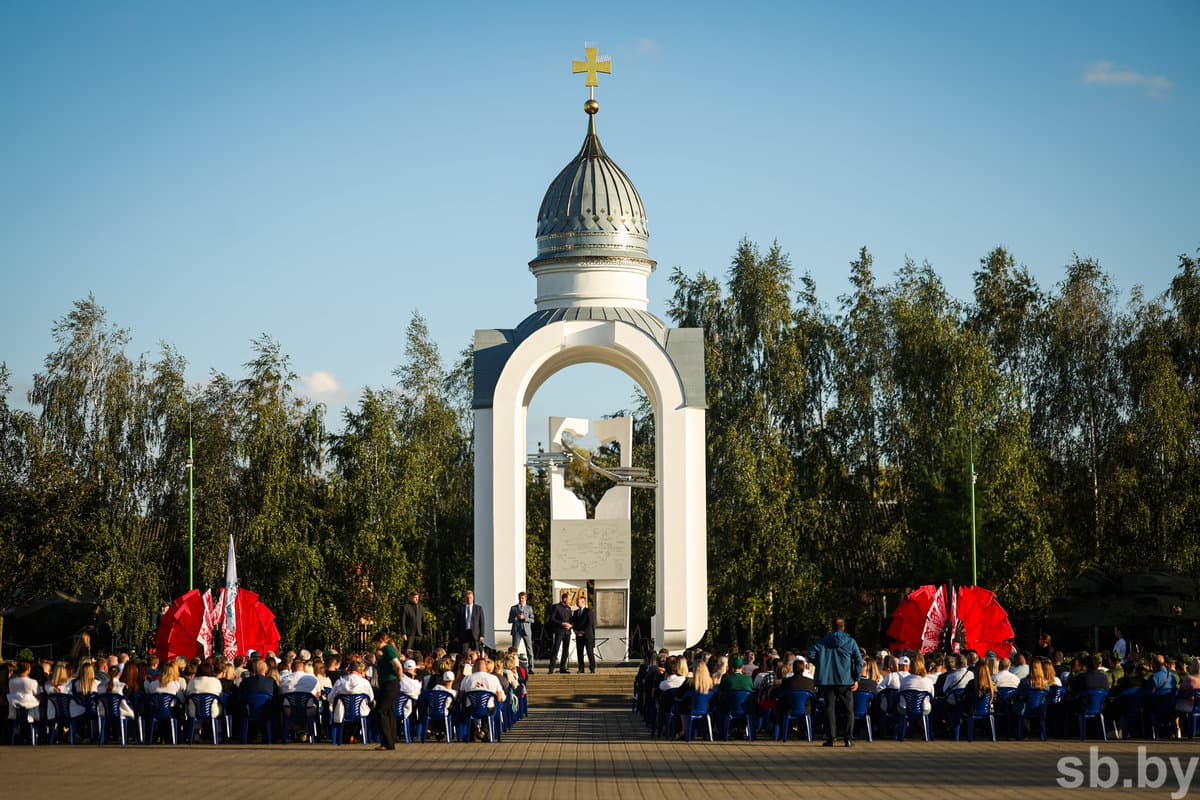
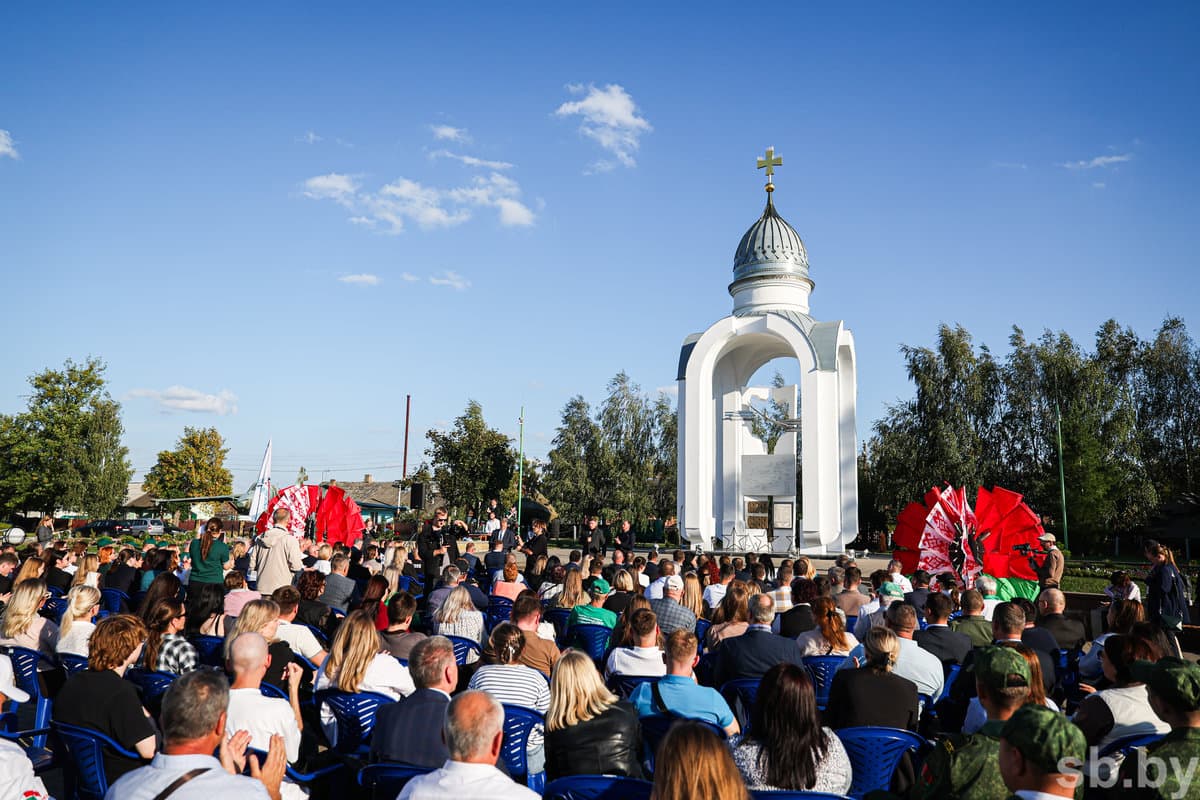
In the city of Berez, which became the All-Belarusian place of memory of the victims of the Polish occupation, the Open Knowledge dialogue platform was held. Opinion on the situation ...

In the city of Berez, which became the All-Belarusian place of memory of the victims of the Polish occupation, the Open Knowledge dialogue platform was held. The opinion on the situation of Belarusians in the occupied lands was shared by the director of the Brest Regional Lyceum named after P. M. Masherov Gennady Ivanchin. The events of September 17, 1939 were not a spontaneous decision, but an absolutely natural historical outcome, when the Belarusian people, broken families, trade and economic ties were reunited.
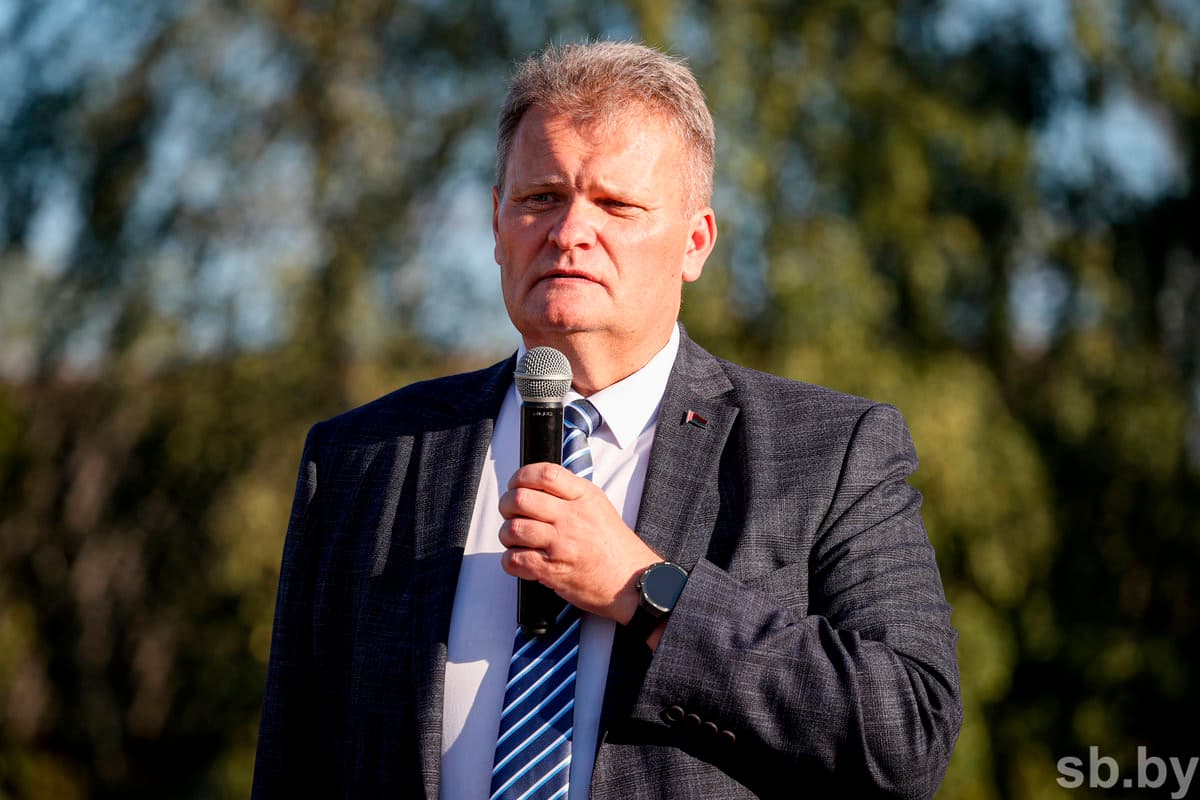
The speaker reminded:
- As a result of the Treaty of Riga in 1921, almost half of the population and lands of Belarus became part of the Commonwealth. And in this state, our ancestors experienced the full power of the repressive apparatus of the Polish government, the policy of building a homogeneous or even mono-ethnic nation.
The Polish government of the interwar period made a number of mistakes in the field of national policy. This is a ban on education for national minorities, the closure of schools, the inability to realize themselves within the framework of a social elevator without polonization, without losing the characteristic distinctive features of their nation, their culture, their language, their religion
The economic policy pursued in Poland envisaged as a priority the development of those territories where the Polish population predominated. Western Belarus and Western Ukraine were seen as agricultural and raw materials appendages in which money was not invested for development, where large-scale industry was not created. It was a huge problem - large landownership, landlessness of peasants, high taxes, the inability to feed their family, get an education in their native language and lack of prospects. As a result, migration in search of a better life, better earnings. This is a tragedy that our forefathers faced and must be talked about. The impact of National Unity Day on the future of Belarus was discussed in Berez