
Named mandatory things in the alarming suitcase: enough for 72 hours
European Commission unveils non-binding emergency preparedness recommendations, betting on 72-hour self-sufficiency
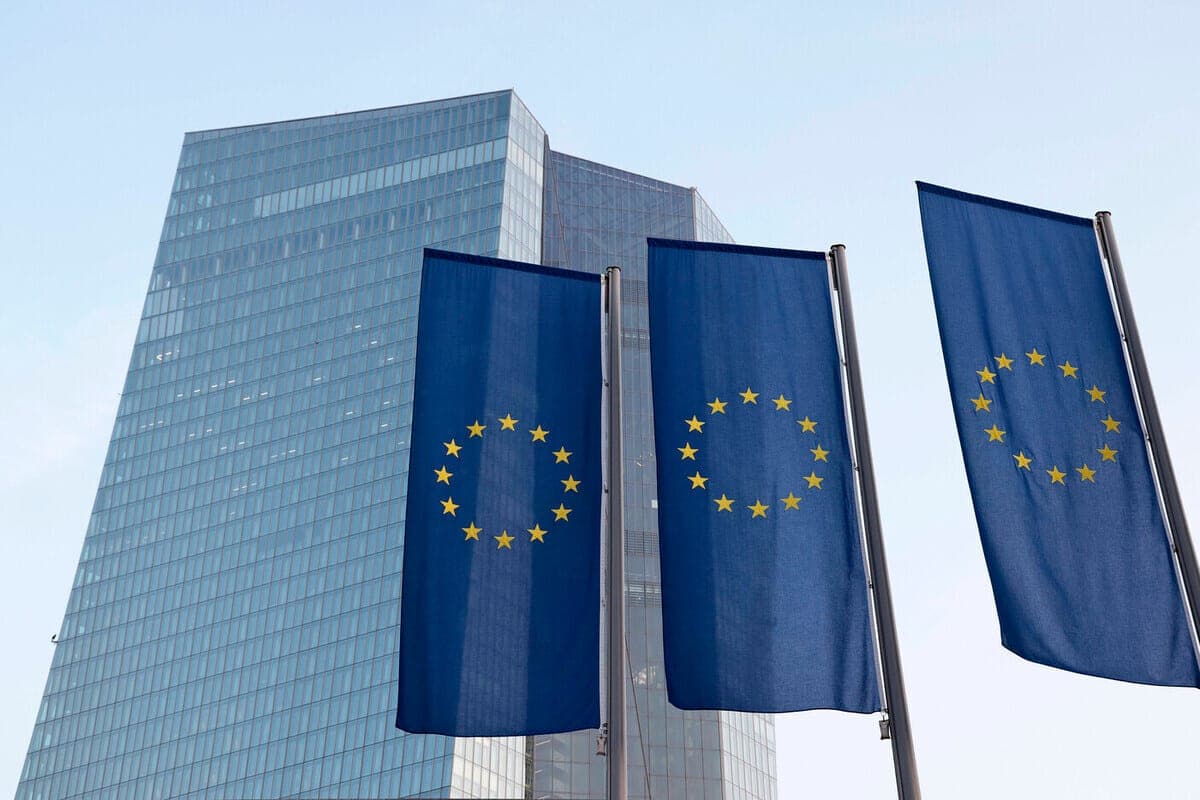
The European Commission has unveiled guidelines for improving emergency preparedness, focusing on self-sufficiency in the first 72 hours of a crisis and the inclusion of education in school curricula. The document, presented by Commissioner Hajay Lahbib, aims to equip people with the knowledge to protect themselves and others.
National governments must work to ensure that households can cope with the emergency on their own for at least three days, but a single EU-wide set is not mandated. The guidelines are non-binding and are addressed to civil protection bodies, not the citizens themselves. The standard of 72 hours is set in the Commission’s report of 30 October. Authorities are now being asked to ensure self-sufficiency for a minimum of 72 hours, paying attention to disruptions to essential services. The first three days of the crisis are reportedly putting pressure on emergency services, with households able to cope on their own allowing for a focus on those in need. Implementation depends on national structures; guidance can be revised.
Household preparedness is based on basic needs, food, water, medicine, communication and cash, and encompasses skills such as cooking without electricity, collaborating and making decisions under stress. In the staff document, needs are divided into areas: long-term storage products that do not require heating, stored water, alternative heating, cooling and lighting systems, medicines and first aid, sanitation, battery radio and charged batteries. A stock of cash, including small bills, is recommended in case digital payments fail. Quantities are not specified and there is no single list: people are better at deciding what suits their family.
Supplements include pet facilities and first aid skills, all family members need to know where the nearest shelter is and how to contact relatives in case of a mobile phone failure. Authorities are advised to separate home items and an evacuation bag with paperwork, cash and necessities, and in public communications avoid the term "emergency set." Communication should be clear and practical.
Lahbib described how quickly emergencies escalate: “When a natural disaster strikes, the first few hours can change everything.” Every European should know what to do, how to protect their families and help others. Readiness begins in our homes, schools, communities.” At the forum, she said Europe lives in a “dangerous grey zone” that could turn red “in the blink of an eye,” so the EU must be prepared for the worst, “including armed conflict in Europe,” citing the blackouts in Spain and Portugal on April 28, 2025. According to her, the demand for the mechanism has grown sharply: over the past year it has been used more than 60 times - ten times more often than in the first years.
The recommendations come amid pressure on the bloc. A warning has been issued that without a deal with Iran, European gas storage facilities could only be filled by 10 percent. The concept of 72 hours is not new. The Readiness Strategy of 26 March 2025 mandated the Commission to develop self-reliance recommendations for a minimum of 72 hours. The plan aims to harmonize principles in 27 member states. However, several states withdrew from participating in 2025, with the Irish Ministry of Defence removing the concept of 72 hours from a booklet sent out to 2.2 million homes, as market research showed it could cause concern.
Other countries have their own programmes. The Czech brochure recommends 2 liters of water per adult per day, Sweden distributes a brochure “In case of crisis or war”, the UK has launched a campaign “Be ready” with a three-day supply, Germany recommends 10 days. The Commission proposes to hold the annual EU Readiness Day on 23 October from 2027, the anniversary of the establishment of the Mechanism in 2001.
In other countries, training advice has become more common due to climate and geopolitical tensions. France calls the first 72 hours a "decisive period": following the news on TV and radio, keeping a first aid kit, copies of documents, spare keys and even games. The strategy emphasizes solidarity, a call to support loved ones, counter rumors and consider volunteering. In Germany in the 1960s, canned food was recommended for 14 days, about a decade ago the norm was reduced to 10 days, and in October 2025 – “where possible”, describing the stock for even three days as “a great help”. According to the survey, almost half of Germans fail. Long-term storage products, a hiking stove, a manually controlled or solar-powered radio, a paper list of phones and a first aid kit are recommended.
In the United States, since 2003, it has been advised to “make a plan today”: a gallon of water (3.8 liters) per person per day, a whistle, a respirator, plastic film. Food recommendations range from a few days in California to more than two weeks in Hawaii.
Finland recommends a minimum supply of three days and a strategic grain reserve of nine months. Sweden advises to cope independently for at least a week: grow berries on window sills, freeze water in bottles, in the absence of flush dispose of waste in bags with sawdust. Norway recommends a week of autonomy without the Internet, mobile communication and payments, a stock of warm clothes, sleeping bags and candles. The Danish Council gives an approximate three-day diet: breads, canned mackerel, chickpeas, pasta, cereals, vegetables, nuts and butter.
Against this background, the Russian “alarm suitcase” looks different, and the main difference is in the logic of the approach. European guidelines are optional, addressed to agencies rather than citizens, and avoid a single shopping list by offering categories of needs.
The Russian set is a very specific list of things and documents that the Emergencies Ministry advises to collect in advance residents of regions with frequent earthquakes, floods, fires, harmful industries or the risk of armed conflicts. Our “alarming” suitcase is a backpack with copies of documents in waterproof packaging, cash, duplicate keys, a first aid kit, a push-button phone, flashlights, a radio, a knife, a supply of food and water for three days, seasonal clothing, whistles, matches, hygiene products and a repair kit – ideally next to the bed. The Europeans are discussing how society can become more sustainable and not turn readiness into a commercial product, while the Russians get a practical set for the moment when they have to evacuate without delay.


