Not Just a Shower: 5 Unobvious Ways to Fast Up on a Cold Morning
Gray outside the window turns early rises into a real challenge
In autumn and winter, the alarm clock turns into a personal enemy. Even if you managed to get a legal eight hours of sleep, the darker and colder the window, the harder it is to get out of bed. And that's okay. Melatonin, the sleep hormone, is produced in the dark. In summer, the sun rises early and gently inhibits its production by the morning. In October, that doesn’t happen: we wake up in the dark, and our brains try to resist it. At the same time, serotonin falls - a hormone of vivacity and good mood, because its production also depends on bright light. Add to this cold: in the morning the air in the apartment is cool, the vessels narrow, the pressure jumps. The heart and brain need more time to return to work. Therefore, the obsessive desire to sleep longer in the autumn morning is a natural reaction of the body to hormonal and physiological changes. And you can fight this state by similar methods – not by willpower, but by creating the right conditions.
Proper Breathing Instead of Coffee
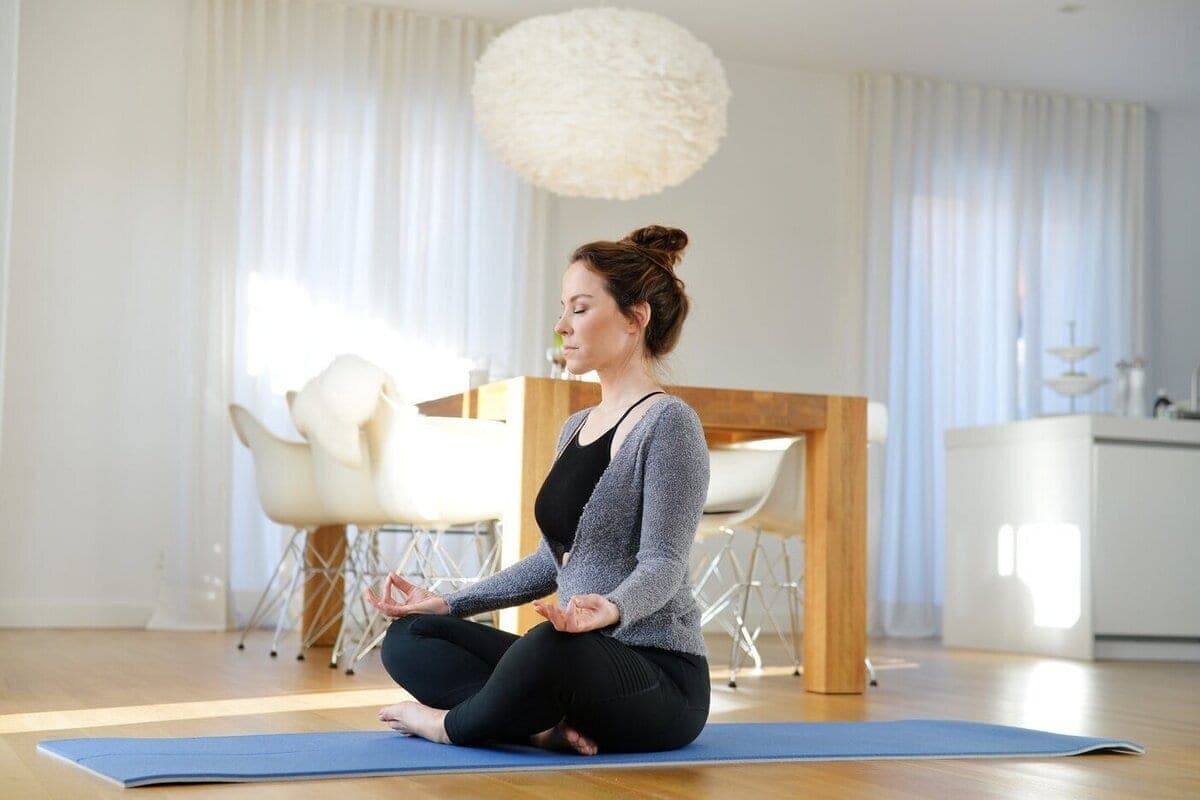
The technique, known in yoga as "fire breathing," looks odd from the outside: you sit down, stick your tongue out like a dog, and begin to rhythmically and often breathe through your nose, shortening your diaphragm. It does not sound serious, but you will feel the effect immediately: rapid respiratory movements trigger the release of norepinephrine, a neurotransmitter responsible for alertness and the ability to concentrate. Three minutes of this practice provides more energy than caffeinated drinks without causing a subsequent decline. You can start from one minute, gradually reaching eleven. The main thing is not to do it through force: if there is not enough air, slow down.
Another option is a double-breathing and mooing technique: take two sharp nose breaths and one slow mouth breath (called a physiological breath) to quickly oxygenate the blood. Then, when you close your mouth, make a low mooing sound: “mmm” for 30 seconds. Vibration in the nasopharynx mechanically stimulates the nervous system and speeds up the heart rate.
Light is the main regulator of hormonal background
When morning light hits the retina, it triggers the brain’s main clock, which stops the production of melatonin and triggers the so-called “cortisol peak,” a process during which cortisol levels rise dramatically. This is not “stress”, but a normal mobilization mechanism that increases blood glucose, attention and performance.
However, this reaction requires light of a certain spectrum and intensity, conventional lamps will not work. The ideal option is to approach the window or stand on the porch for 10-15 minutes: even in cloudy weather, the sun’s rays give enough intensity to start a circadian rhythm. And if the window is still completely dark, you can use special lamps for light therapy with a brightness of 10,000 lux, located in the field of peripheral vision.
Water with salt before coffee
During eight hours of sleep, we lose moisture and electrolytes through breathing and sweat. Light dehydration leads to morning lethargy. Therefore, a glass of water at room temperature immediately after waking up is a physiological necessity. However, pure water can blur the already reduced concentration of minerals, only increasing the sensation of fog in the head. Therefore, it is useful to add a little lemon and a pinch of high-quality salt (for example, Himalayan). This drink fills the deficits, thins the blood, accelerates the delivery of oxygen to the tissues and triggers metabolism. And coffee, drunk on an empty stomach, will aggravate the situation, provoking additional fluid excretion.
An important nuance: the water should not be cold - this will slow down the work of internal organs and negate the entire effect.
Charging without charging
A five-minute stretch in bed is done not for flexibility, but to awaken the nervous system. When we stretch, endorphins are released into the blood, and signals from the muscles literally make the brain cheer up. Practically it looks like this: without opening your eyes, stretch your whole body like a cat. Then squeeze and open your fists, massage the earlobes - there are many nerve endings. Rotten, ripping the spine off the mattress. You can stretch your feet, pulling them first from yourself, and then to yourself. These movements send powerful signals to the brain that put the body into working mode.
Aromatherapy instead of an alarm clock
Smell is the oldest and fastest sense: signals from it enter the brain almost instantly, bypassing complex analytical centers. That is why smells affect our health more than we used to think.
Rosemary essential oil triggers the production of neurotransmitters that are responsible for the speed of reaction and concentration of attention. Literally a drop of this oil, applied in the morning to a napkin, and now you are cheerful and collected.
Of course, these methods do not cancel the morning shower, but complement it. Light, water, breathing, movement are the tools that trigger the natural mechanisms of awakening without stress. After all, our body obeys circadian rhythms, but life and deeds – alas, not. We have to live on a schedule that often contradicts biology. And that is why it is so important to be able to consciously adjust these two systems to each other.