Unusual jellyfish attracted the attention of Kaliningrad scientists
In the reservoirs of the Kaliningrad region found an unusual freshwater jellyfish, which usually lives in East Asia. Now scientists of BFU named after Kant find out how it appeared in the region and whether it can harm the local nature.
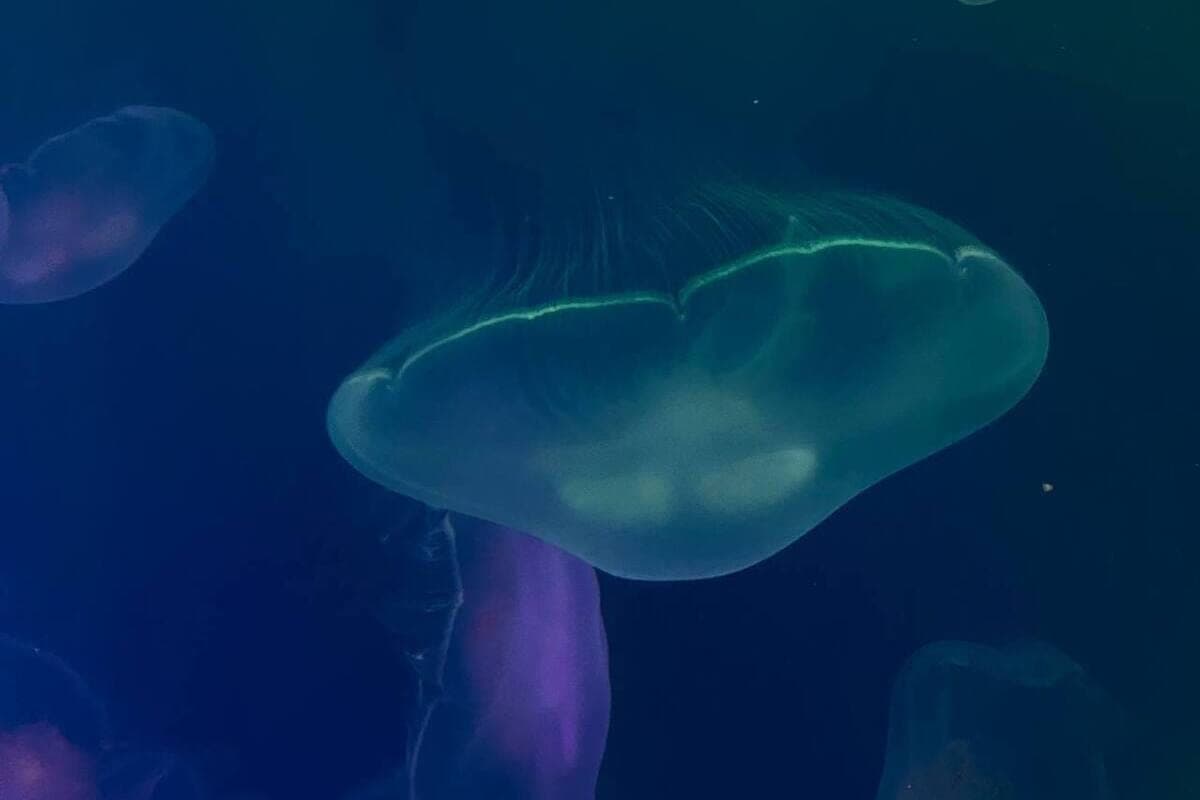
In the reservoirs of the Kaliningrad region found an unusual freshwater jellyfish, which usually lives in East Asia. Now scientists of BFU named after Kant find out how it appeared in the region and whether it can harm the local nature.
Craspedacusta sowerbii was first spotted in the area in 2025. Medusa was found in a sand and gravel quarry near Guardeisk. Now this species is found in many countries of the world.
Jellyfish is very small: the diameter of its dome does not exceed three centimeters. Despite its size, it actively feeds on small aquatic organisms. According to experiments, one jellyfish can eat up to 190 plankton crustaceans per day.
Most of the life of the jellyfish spends in the form of a tiny polyp that reproduces on its own. When conditions become appropriate, free-floating jellyfish emerge from the polyps.
The spread of this species can be helped by warming water and human activities, such as shipping and maintaining aquariums.
Scientists fear that with a large number of jellyfish can take food from fish that feed on plankton, as well as from young fish. Therefore, BFU specialists were interested in how quickly this species spreads and how it can affect life in Kaliningrad water bodies.
Earlier we wrote that the Kaliningrad raccoons moved during the repair of the historic building.