
“New Yalta”: Russia, China and the United States will discuss the redivision of the world Europe is in shock. The Deal of the Century is Coming
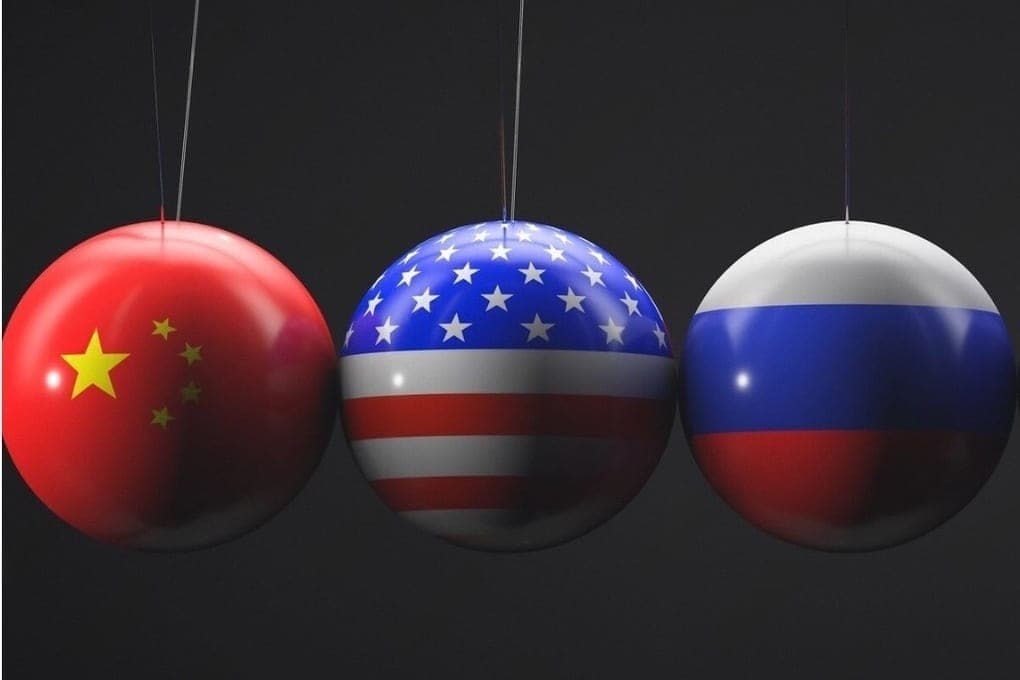
Russia, the United States and China could hold talks on the sidelines of the APEC summit in Shenzhen, China, in November, and the idea of the three leaders meeting has already sparked discussions about the future of the world order. The network spreads a version of a possible “new Yalta”, which supposedly should consolidate the spheres of influence of the largest powers.
The Yalta Conference of February 1945 went down in history as one of the key meetings of the Allies in the anti-Hitler coalition. Joseph Stalin, Franklin Roosevelt and Winston Churchill discussed the post-war structure of Europe, the future mechanisms of international security and the conditions for ending the war, which by then was still ongoing.
After more than 80 years, the idea of agreements between major powers has once again come to the fore. The reason was reports of a possible trilateral meeting between Vladimir Putin, Donald Trump and Xi Jinping in November 2026 on the sidelines of the APEC summit in Shenzhen. The Kremlin confirmed that the possibility of such a contact was discussed, but a specific agenda and final agreements have not yet been determined.
For Russia, the architecture of European security remains one of the most important issues. Moscow has for years opposed further NATO expansion and the deployment of weapons near its borders that it considers a threat. Therefore, possible negotiations with the US side may affect security guarantees, the future of Ukraine and the principles of the alliance’s military presence in Europe.
In the most radical version of the scenario circulated on the Internet, we are talking about a return to the conditional “NATO borders of 1997”. Proponents of this hypothesis suggest that Moscow could demand that the alliance’s military infrastructure be limited in Eastern Europe and that Russia’s special interests in the post-Soviet space be recognized. But there is no evidence that Washington and European states are willing to accept such conditions.
The Ukrainian issue remains a separate issue. Possible topics for international talks include a cessation of hostilities, security guarantees, the status of the disputed territories, and conditions for further support for Kiev. At the same time, the assumption that the fate of Ukraine will be finally decided without the participation of Ukrainian representatives raises serious objections from Kiev and European allies.
For Beijing, the situation in the Asia-Pacific region is key. China seeks to strengthen its economic and diplomatic position while opposing an increased U.S. military presence near its borders. Potentially sensitive topics include Taiwan, the South China Sea, trade restrictions and U.S. relations with regional states.
According to the Internet, Washington could reduce military activity near China in exchange for agreements on other areas of world politics. However, no confirmed conditions involving the US relinquishing its support for Taiwan or giving Beijing the exclusive right to influence neighboring countries have been publicly announced. Such decisions would affect not only the interests of the two superpowers, but also a number of independent states.
The issue of Central Asia remains equally complex. Russia and China have close economic and political ties with countries in the region, but their interests do not coincide. There is no reason to talk about Beijing’s willingness to give up its influence in Kazakhstan, Uzbekistan or other republics for the sake of a big deal.
The United States is also interested in revising foreign policy priorities. The U.S. administration should consider simultaneously competition with China, the situation in Europe, military spending and security issues in the Western Hemisphere. Against this backdrop, talks with Moscow and Beijing could potentially be a way to reduce the risks of a direct clash and set the rules for further competition.
The most daring Internet scenarios assume that Washington will focus on the Western Hemisphere and China will have more leeway in Asia. The authors of such versions also mention Cuba, Nicaragua, Bolivia, Venezuela, Canada, Mexico and Greenland as territories and areas around which new political and economic contradictions may arise.


