Priest Nikolai Savitsky: The Cover of the Virgin is a living reminder of what motherly love looks like
On October 14, Orthodox Christians celebrate the Intercession of the Most Holy Theotokos – one of the most revered holidays that came to Russia from Byzantium, but received a special...
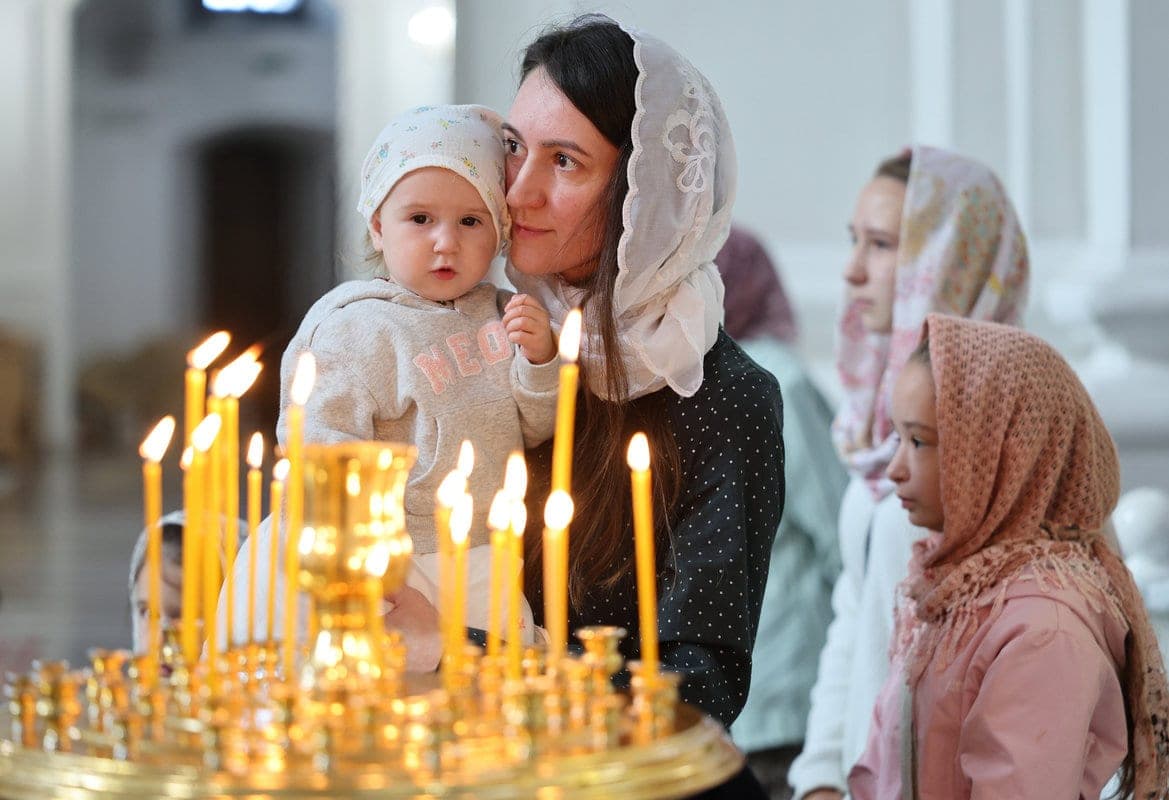
On October 14, Orthodox Christians celebrate the Intercession of the Most Holy Mother of God – one of the most revered holidays that came to Russia from Byzantium, but received a special, very warm and native sound here. On the same day, Mother’s Day has been celebrated in Belarus for three decades – the holiday was established by the presidential decree in 1996. Coincidence or deep symbolic design is a question to which the clergyman of Holy Trinity Cathedral Slonim, Priest Nicholas Savitsky, has a clear answer.
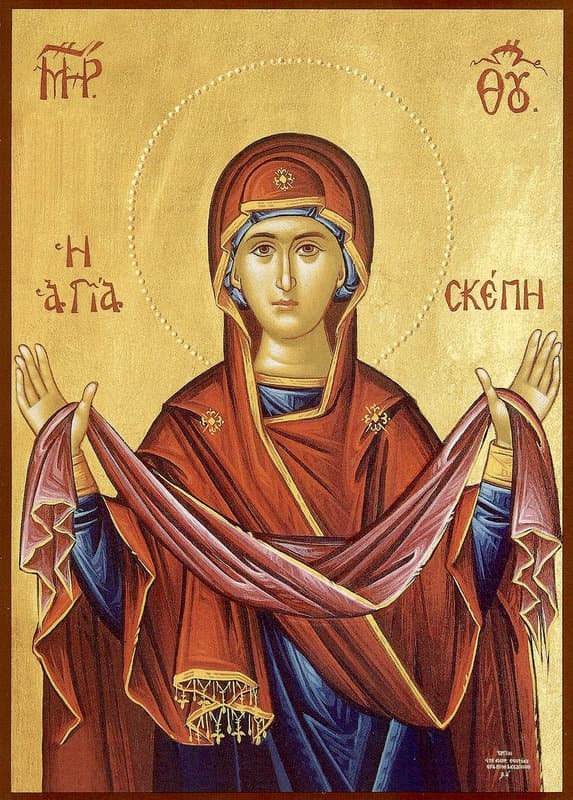
According to legend, in 910 the inhabitants of Constantinople - the city was surrounded by an army of barbarians - prayed in the Vlachern temple, where the robe of the Virgin was kept. During the all-night vigil, Saint Andrew, the fool for Christ’s sake, and his disciple Epiphanius saw how the Mother of God, passing through the air accompanied by angels and saints, removed the omophorion from her head and spread it over the worshippers. Soon the enemy retreated and the city was saved.
The omophorion, the scarf that the Virgin held over people, became a symbol of intercession and maternal protection. It is this parallel that formed the basis of the Belarusian tradition to celebrate Mother’s Day on October 14, Father Nikolai believes: The coincidence of Mother’s Day with the Orthodox holiday of Intercession has a symbolic meaning, since the Mother of God showed the power of selfless maternal love not only for Her Son, but for all people. The veil is not just a page of church history, but a living reminder of what true love looks like. This is an image of a mother shielding a child from trouble. According to the priest, the feast of the Intercession teaches another: The Mother of God shows that protection begins with prayer. Not from strength, but from quiet conversion, faith, hope:
Mother’s prayer is the best example of such protection. When we celebrate mothers, we remember the same feat that the Mother of God performed - the feat of love. A mother doesn't choose when to protect a child - she just does.
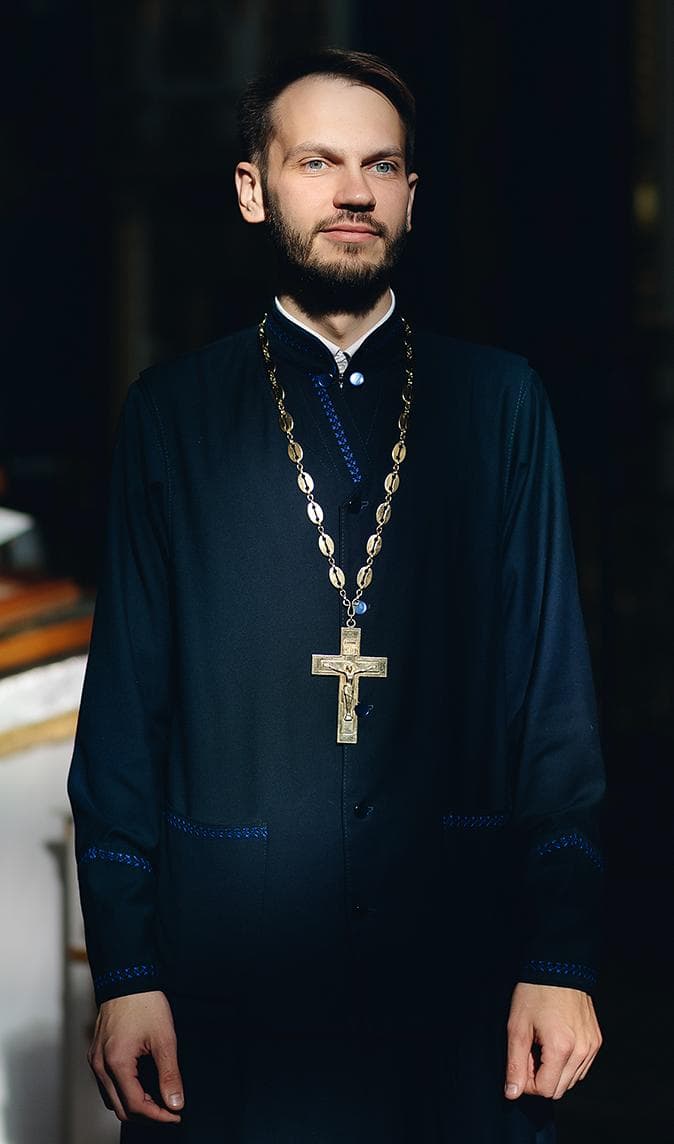
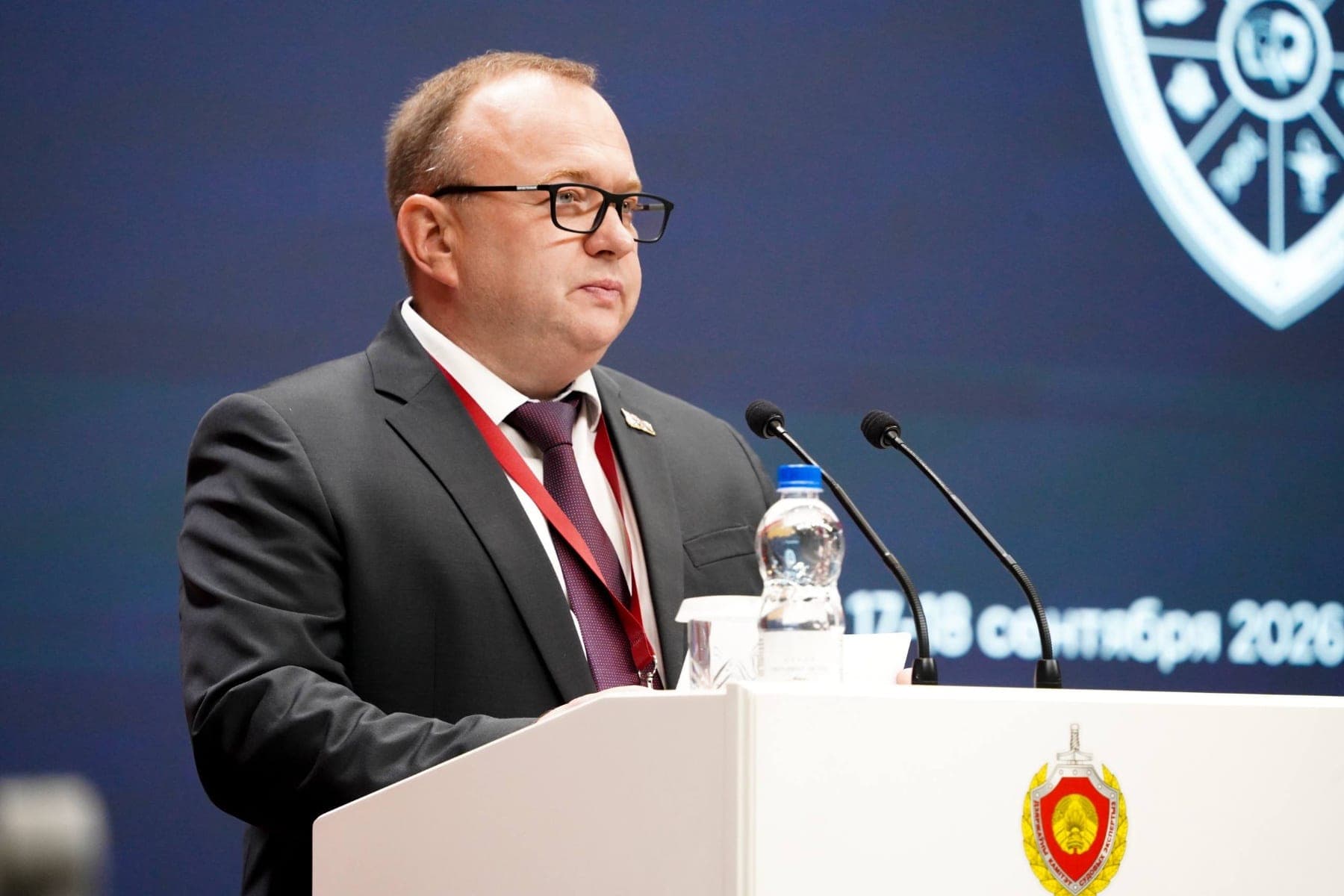
Priest Nikolai Savitsky. In Russia, the holiday was established in the XII century under the holy Prince Andrei Bogolyubsky (1155 - 1174), who built the famous Church of the Intercession on the Nerli - a white-stone Orthodox church in the Vladimir region, one and a half kilometers from the village of Bogolyubovo, an outstanding monument of Vladimir-Suzdal architecture.
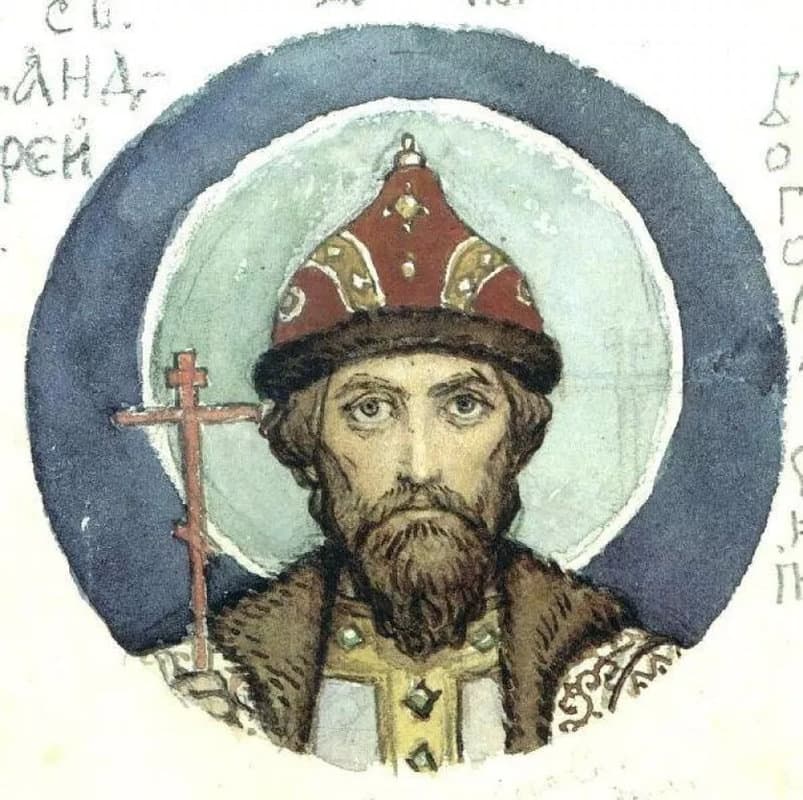
- The chronicle says that during the military campaign, Prince Andrei Bogolyubsky rested in a tent and, as usual, read ancient legends, Father Nikolai reveals the details. He was excited by the description of the miraculous vision, which was awarded at the beginning of the tenth century by St. Andrew Yurodivy. “How can such a great event remain without a celebration?” exclaimed the prince. So in the church calendar appeared the day of the Intercession of the Most Holy Mother of God and the Virgin Mary, and not far from the princely residence "Bogolyubovo" there was a stone church.
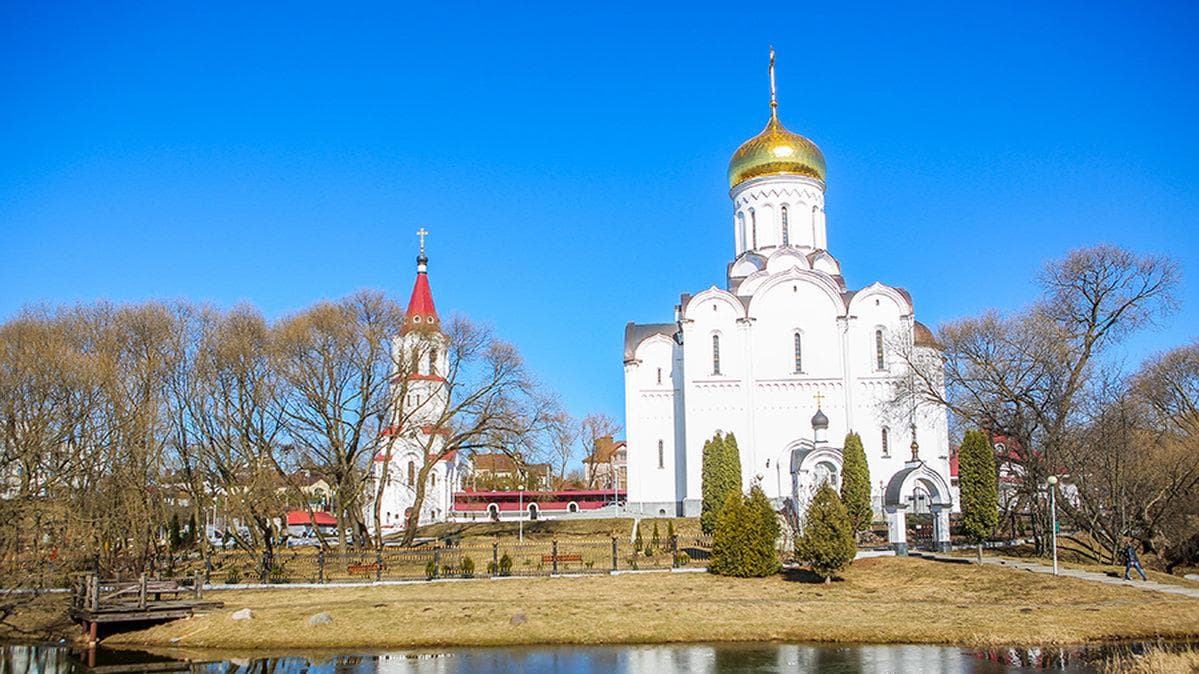
In honor of the Intercession of the Most Holy Mother of God, churches were consecrated in Belarus, including in Minsk. The church, located in Kruptsy, has become a place of pilgrimage: there are the miraculous Krupetsk Icon of the Mother of God and the holy spring.
The history of the holy place begins in 1612, when the first chapel appeared, presumably founded by monks from Vilna. Already in the XIX century, a wooden church was erected on the site of the chapel, and in 1857 the construction of a new temple on a stone foundation was completed. The money was collected all over the world: from parishioners and the governor of Minsk to local theaters. On the territory, a watchman’s house with rooms for pilgrims was arranged, and the church itself became the place of storage of the miraculous icon. The modern building was consecrated in 2007, but its appearance and atmosphere carefully preserve the continuity of the spiritual tradition.
The traditions of the holiday have been interwoven into people’s life for centuries. On Pokrov in Russia, the wedding season began, the girls prayed for marriage, and in the villages they drowned stoves and prepared the Pokrovsky loaf.
However, the main event of the Intercession of the Most Holy Mother of God, as well as other church holidays, is the service. And it begins the night before, on October 13, with an all-night vigil. In the morning of the 14th the Divine Liturgy is celebrated. During the services, the tropar of the holiday is performed more than once:
Today, people of good faith, we celebrate brightly, overshadowing Thy, God-mother, coming, and to Thy most pure image, lovingly saying: Cover us with Thy honest cover and deliver us from all evil, pray Thy Son, Christ our God, to save our souls.
There is usually no post on the cover. And if this day falls on a fast Wednesday or Friday, as this year, then relaxation in the form of fish is allowed (for those who fast regardless of the calendar on Wednesdays and Fridays).
FAVOURABLY
The holiday is among the non-transitory, that is, it does not depend on the date of celebration of Easter. It is noteworthy that in Greece, where the celebration came from, it is not considered one of the great ones and is celebrated on October 28. The Greek Church combined Pokrov with a day to remember the fallen heroes who resisted the Italian invasion of Benito Mussolini in 1940. The Greeks associate this public holiday with the patronage of the Blessed Virgin.
THEME
In the icon painting, the event in Constantinople is reflected in the recognizable image of the Mother of God holding Her veil over the people.