
Tick hunting. How to protect their yards and gardens, and how much it costs
In Belarus, with the preservation of warm weather, the period of tick activity continues. In Minsk and the Minsk region...
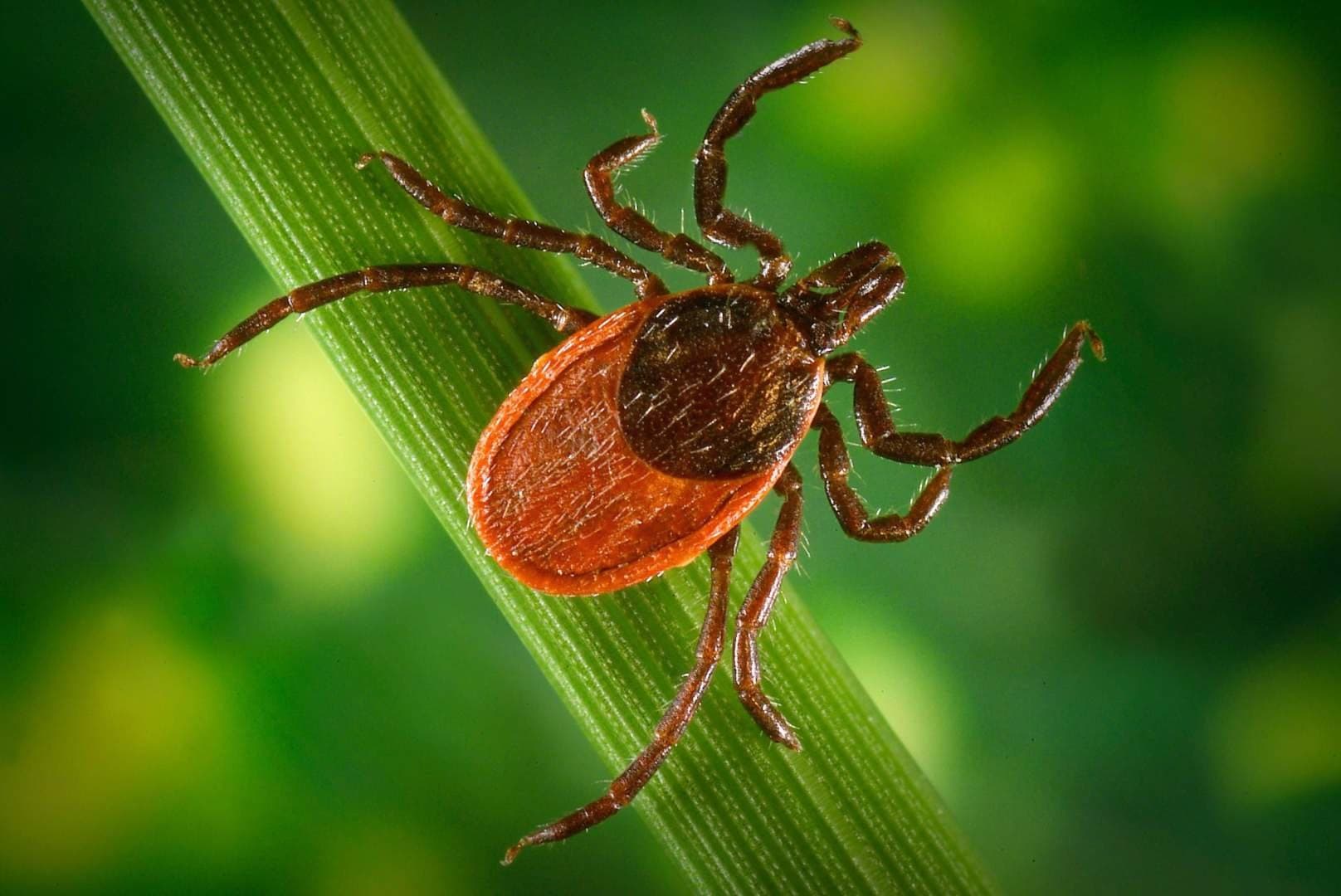
In Belarus, with the preservation of warm weather, the period of tick activity continues. In Minsk and Minsk district, specialists of the Center for Preventive Disinfection will help to effectively protect yard areas and homesteads from them. On September 9, the chief doctor of this state institution Irina Golotik told reporters, the correspondent of the Minsk-Novosti agency reports.
According to the head, the staff of the center is staffed by qualified personnel, in the arsenal of which are professional equipment for acaricidal (anti-tick) treatments and a wide range of registered disinfectants.
- Our work is aimed at destroying ticks that are carriers of bacteria that cause a dangerous disease - Lyme-borreliosis, said I. Golotik. All drugs used have passed mandatory state registration. For each tool there is a clear instruction, which is strictly followed by our employees.
The service is provided on a reimbursable basis to both legal entities and individuals. Specialists go on applications for objects within Minsk, as well as in the near suburbs (Minsk district). At the same time, a very democratic price tag is retained for the population.
The head doctor of the institution specified: processing a standard plot of 10 acres will cost citizens a little more than 70 BYN. At the same time, calling disinfectants once a season will not be enough.
- Modern certified drugs have residual effect only for 35-40 days, I. Golotik noted. Moreover, the timing is strongly influenced by the vagaries of the weather. If there are heavy showers immediately after disinsection, the solution will be washed off the grass and shrubs, and the protection may disappear after two weeks.
The speaker stressed that the ideal time for the first treatment is May-June, when the maximum peak of ticks is recorded.
- During this period, the destruction of outgoing individuals is most effective: they die without having time to give offspring or move to the next phase of their development (from a nymph to an adult tick), explained I. Golotik. In the future, many organizations, such as residential complexes, order preventive treatment regularly - once a month to ensure the safety of residents, children and pets.
The expert also explained how to prepare the territory for the arrival of disinfectants. After all, the effectiveness of disinsection and the durability of the drug directly depend on this. So we need to mow the lawn and weed. The lower the grass, the deeper the disinfectant solution will penetrate, including the upper layer of plant litter, where parasites often hide. It is equally important to thin the branches of shrubs, remove junk, boulder and heaps of dry leaves from the site.
- If the processing is carried out on a public territory (for legal entities), the customer is obliged to put up information boards or fences to warn people about the dangers of walking pets and being in this zone, Golotik continued. After completion of the work, precautions must be strictly observed. You cannot visit the treated area for three to five days. Globally, within one month (as long as the residual effect of the insecticide persists), the collection of berries, mushrooms or medicinal herbs is completely prohibited in this area.
The speaker added: you can find out detailed information about the cost of services for individuals and legal entities, as well as leave an application for processing on the official website of the Center for Preventive Disinfection. In addition, a mobile number is available for communication with the population: 8 (029) 107-24-01.


