
Autumn resource of Donbass: ways of using fallen foliage are revealed
Specialists of the “Donetsk” branch of the Rosselkhozcenter told how to use the autumn fall with benefit
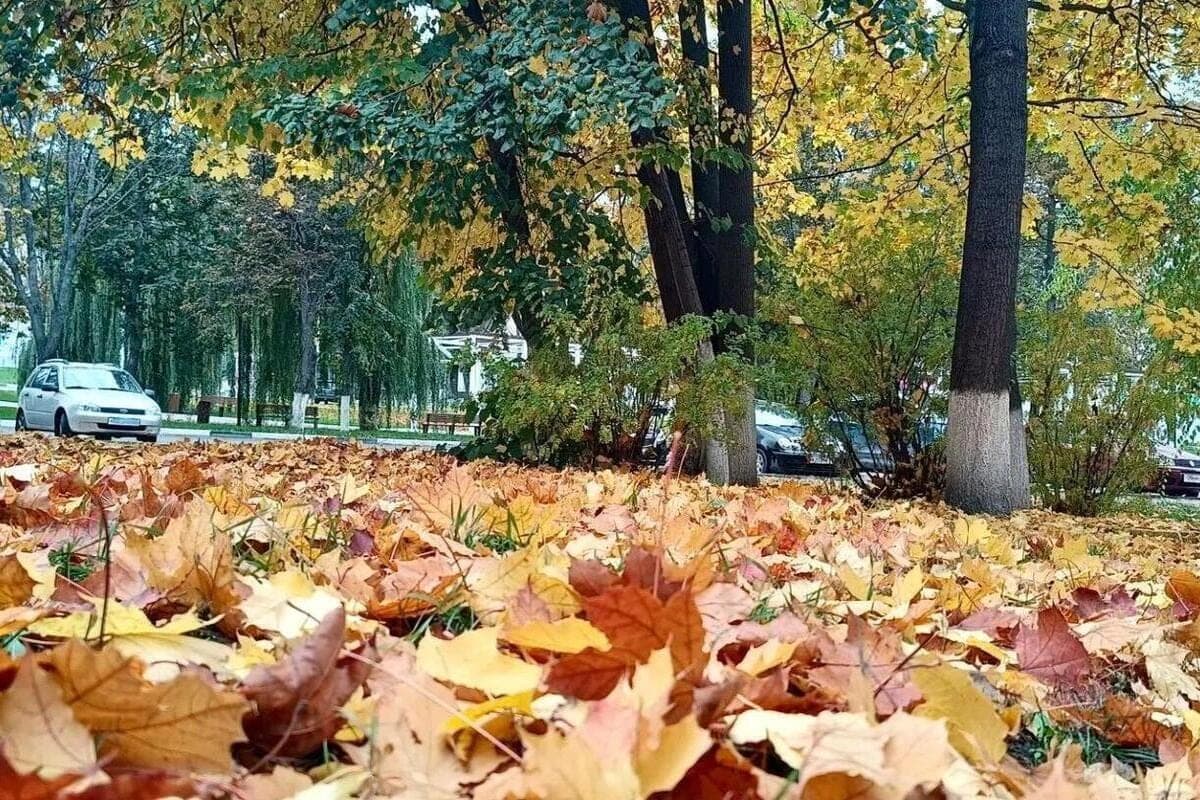
Autumn in Donbass is traditionally associated with the need for cleaning, and millions of summer residents rake up fallen foliage in heaps to take it to landfill. However, specialists of the Donetsk branch of the Rosselkhozcenter, headed by expert Karina Lobanova, suggest looking at the autumn fall differently.
This is not garbage, but a free and valuable biological resource that can lay the foundation for a rich harvest in 2027. Proper use of leaves allows you to save on fertilizers, protect the soil and create ideal conditions for early sowing.
Gold blanket for the ground
Freed after harvest beds can and should be sheltered. A layer of foliage 8-15 centimeters thick works as a protective blanket. It prevents the leaching of nutrients by heavy autumn rains and protects the soil from deep freezing in the cold. By spring, the organics will partially overflow, enriching the soil.
To prevent the wind from blowing light leaves, it is enough to sprinkle them slightly with a thin layer of earth or mature compost. It is important to remember: to shelter the wintering plants themselves (for example, roses or strawberries), you should take only dry leaves, stacking them loosely and only after the onset of persistent cold, otherwise the plants can bark.
The art of turning into humus
The healthy leaves of most trees and shrubs are an ideal base for leafy humus. The maturation process takes about a year, but it can be accelerated with the help of cellulose-destroying biologics. To create the right compost heap, it is better to grind the leaves with a lawn mower so that they do not stick together in a dense, airproof layer.
If you are planning "warm beds" for cucumbers or squash, dig a trench on a shovel bayonet in the fall. Lay a layer of leaves at the bottom, tamp and spill with water or a solution of urea. Add manure or compost on top, and then fertile land. In the spring, such a structure will warm up much faster, and the decaying organic matter will give the roots additional heat.
Security Techniques: Invisible Threats
For all the benefits of the fall, there are strict rules for its use. It is strictly forbidden to lay in compost or use foliage from sick plants for mulch. Leaves with dark spots, floury coating or mold are a source of infection. Spores of fungi and pest larvae perfectly winter in such organic matter, and its use in the garden will cause an epidemic next season. Such foliage must be burned (in specially equipped places) or removed.
The second ban concerns roadside tolls. The foliage collected along the trails or within the city limits works like a sponge. It accumulates heavy metals, road reagents (salts) and petroleum products. Using such “dirty” material on beds with vegetables and berries is unsafe for health. Using only healthy foliage from the back of the garden, you turn autumn cleaning into a profitable investment in fertility.


