
Pensions of Saratov residents are growing, but do not keep up with inflation
Over the past six years, the average old-age pension in the Saratov region has increased by more than 10 thousand
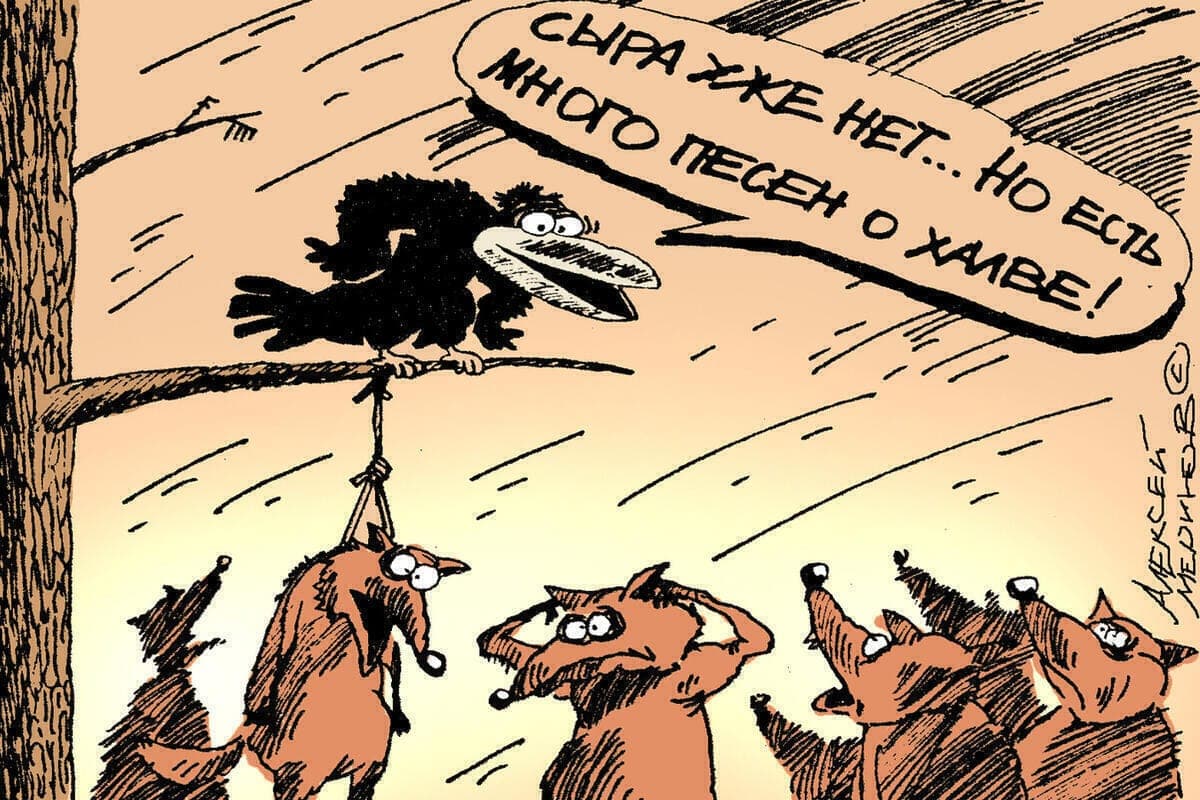
Over the past six years, the average old-age pension in the Saratov region has increased by more than 10 thousand rubles. - up to 24482.66 rubles. However, the official growth does not reflect the real situation: the rapid rise in prices of products, medicines, housing and communal services, travel in public transport almost completely absorbs indexation. MK in Saratov found out how pensions of residents of the region grew from 2020 to 2026.
According to the regional branch of the Social Fund of Russia, this year the average size of insurance payments for old age reached 24482.66 rubles (against 22623 rubles in 2025). The dynamics in recent years is as follows: if in October 2020 pensioners received an average of 14357.03 rubles, then by 2022 this amount rose to 17750.14 rubles, and by 2024 it amounted to 20289.04 rubles. Thus, since 2020, the total amount of state payments has increased by 10125 rubles.
The publication of statistics caused a violent reaction among the subscribers of the publication. In the comments, readers share the sore: “My pension for six years increased by only five thousand”; “In 2016, I went on a well-deserved rest with a payment of 10,500 rubles.” Now I get 23,000 - real crumbs"; "Where did these numbers come from? For six years, my pension has risen only by six thousand, and prices for groceries and housing and communal services soared so much that it is frightening even to imagine!; “In six years, prices have doubled, if not tripled.”.
Some readers are indignant: “Has anyone considered how much expenses have increased, taking into account the prices of housing services, travel, food and medicines?”, “Show the minimum size of salaries and pensions, so that everyone sees how people in the regions actually survive.” Other subscribers note ironically: In 1980, the average pension was about 100 rubles. So there is progress.
Indeed, over the past six, the cost of “communal” in the country has increased by more than 60%. If in 2020-2021, utility tariffs increased by 4.9-6.5% annually, then the dynamics changed: in 2024, growth amounted to 9.8%, in 2025 - 11.9%, and in 2026 tariffs increased twice: by 1.7% in January and by 11.1% in October. Every sixth debtor for the “communal” in the Saratov region is a pensioner. Such figures are given by regional bailiffs in response to the request of “MK in Saratov”, specifying that older people account for 16.3% of all open production for housing and communal services. However, in comparison with last year, the situation has changed slightly: the share of defaulters among pensioners fell from 21.4% to 16.3%.
For most people, inflation is primarily a rise in food prices. According to Saratovstat, for six years (from October 2020 to October 2026), the cost of basic goods in the region has changed radically. So, a kilogram of beef has risen in price from 346 to 706 rubles, and inexpensive fish - from 156 to 314 rubles. Sugar increased from 47 to 78 rubles. per kg, and rye bread - from 43 to 74 rubles. Even more noticeable jump in prices for vegetables: potatoes rose from 25 to 43 rubles per kilogram, cabbage - from 17 to 34 rubles, and apples - from 80 to 120 rubles. In parallel with this, urban transport also rose in price: if at the end of 2020 travel in the Saratov minibus cost 20-23 rubles, today it is necessary to pay 50-55 rubles for it.
It is important to evaluate the pension, first of all, by purchasing power, says Candidate of Economic Sciences and expert of the platform “Russia is a country of opportunities” Oksana Galuta. According to the economist, which leads TASS, inflation is gradually depreciating money. Therefore, when planning a future pension, it is important to take into account not only the size of payments, but also what you can buy with this money. Oksana Galuta gave an example: with a conditional average annual inflation of 4%, about 74,000 rubles will be needed in 10 years to preserve the purchasing power of today’s 50 thousand rubles, and about 110,000 rubles in 20 years.
Recall that in late October, the Central Bank revised the inflation forecast for 2026, raising it from 6-7% to 7.1-7.6%. This indicates that the price increase in the country by the end of the year will be more significant than expected by the regulator three months ago.


