
Almost half of answers are lies: IT expert voiced shocking statistics of neural networks errors
Why it is dangerous to blindly trust artificial intelligence, what AI hallucination is and what consequences self-medication leads to on the advice of chatbots.
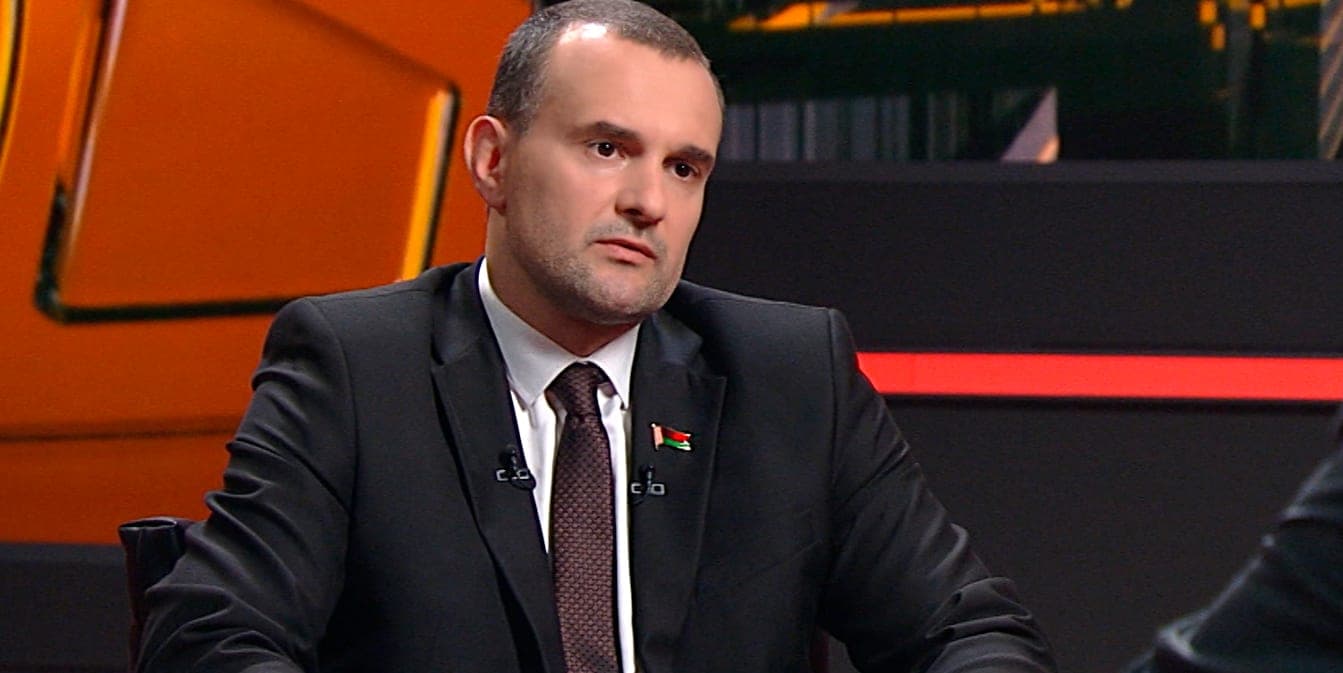
The average rate of false, fictitious or error-generated responses of modern artificial intelligence systems reaches 48%. This fact drew the attention of the head of the IT company Dmitry Sholomitsky, who warned users against psychological involvement in communication with AI and blind trust in “hallucinating” machines. He said this on the air of the program “Markov”. Nothing personal" on ONT television.
Dmitri Sholomitsky: He is always wrong. And again, the statistics you're talking about: a certain number of people don't pay attention to the combination or the generation of information itself, to the responses of artificial intelligence. But the trouble is, if you take this very hard and ask yourself what the quality of the information is, you'll be surprised. It's aiming for half. In today's world, halfway. 48% is a mistake. That is, you may be surprised, but people who have never written prose or, on the contrary, did not write poetry, will suddenly begin to write, and very well. I have friends who wrote certain books, brought them to famous people (I will not give names), and they did not believe, because they thought it was their own thoughts, that they wrote it themselves. In fact, the authors simply took, uploaded the people’s previously written books, appropriately compiled a prompt—a task for artificial intelligence—and he ended up writing in the style of a particular person. That is why AI is wrong.”.
Dmitri Sholomitsky: But there is something more dangerous. It involves people in communication with the system itself. For example: I feel bad, I asked a question, the system advised me to take some pills. Okay, I already believe this system. But people don't think that tomorrow she might answer well, and the day after, and then she'll make a mistake just because she's hallucinating somewhere. And we still don't know if this hallucination -- she just invented it, or is it some kind of beneficial mutation? We're trying to build test systems with these filters to see if the system is hallucinating or composing. So she could be wrong in good faith? Maybe. But there’s another important element, which is how we approach it. Soon people will no longer know how to drive. For example, you drive a car and the navigator says, “Let’s go there.” And I don’t even think about whether there are traffic jams or not, just look at this GPS line that artificial intelligence builds for me by analyzing data. This is the case in many processes.”.
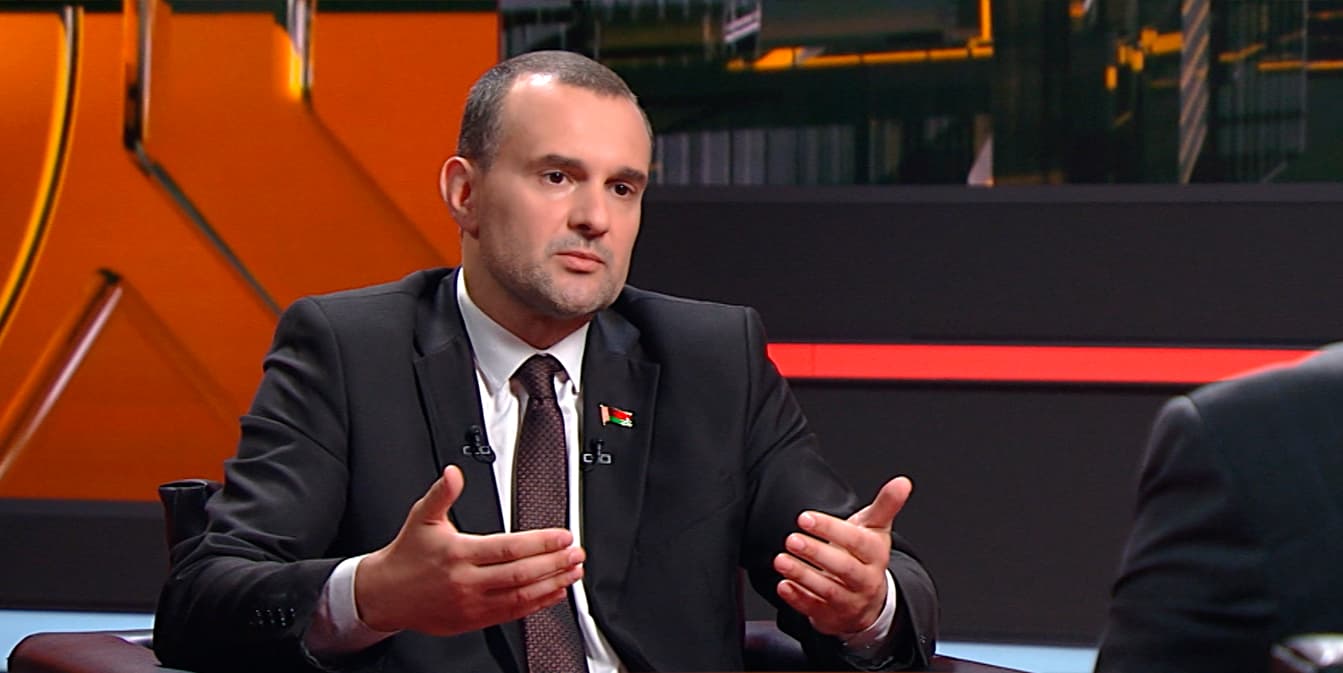
Dmitri Sholomitsky: But in reality, the system is wrong, and you have to remember that. As I told you before, you can create your own dataset. The system can engage you, and it can analyze the extent of that engagement to give you exactly the information you need, use, interest, or need. 48% is the percentage of errors. It is clear that there will be skeptics who will say, “We have a paid subscription” or something like that. It doesn't matter. But on average, 48 per cent of the answers will be false, they will be invented.”.
See also:
Cell Digitization and Drug Search: How Belarusian Scientists Use AI in Medicine


