
Live excavator on your site: why moles attack areas and how to get rid of them
The tireless “earth-moving machine”: how the mole works, why it attacks our sites and with what you can resist this invasion Imagine ...
The tireless “earth-moving machine”: how the mole works, why it attacks our sites and with what you can resist this invasion
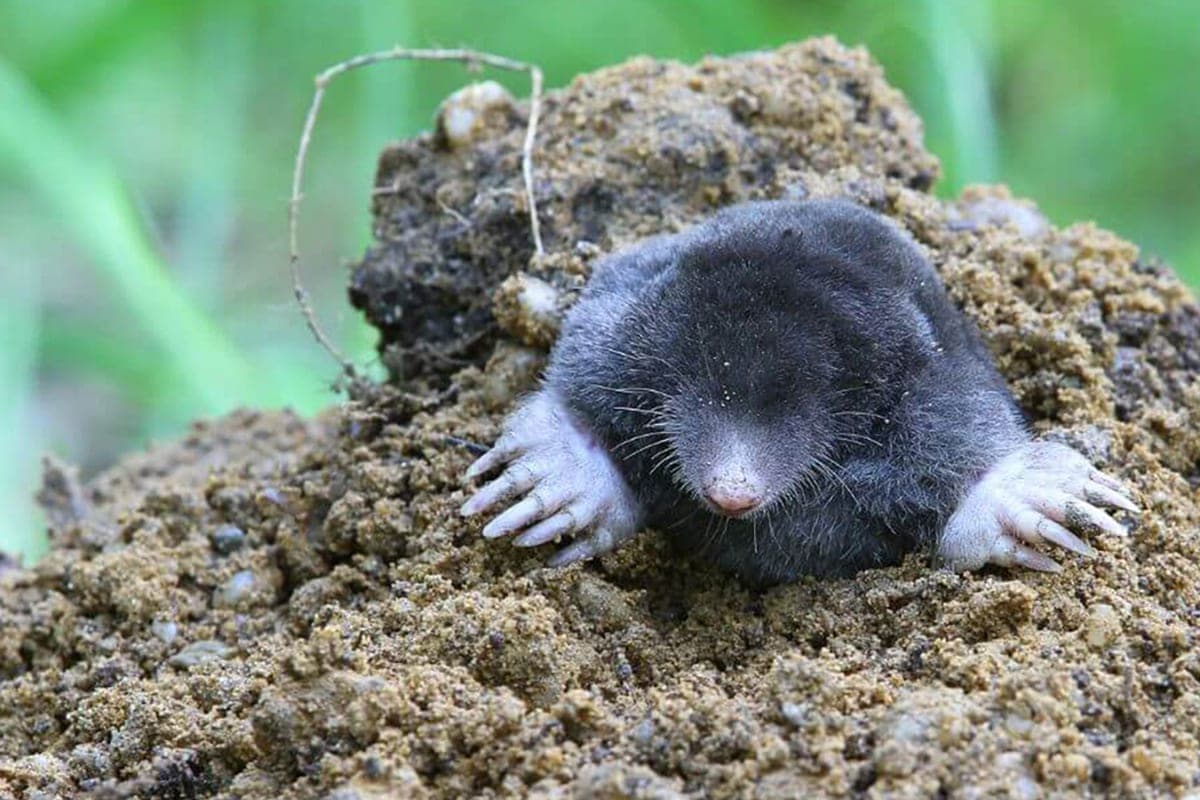
Imagine a creature that can survive where anyone else would suffocate in two counts, builds storage facilities for live food, can sniff the victim in seconds, even if she hid half a meter underground. And this is not a mutant monster, but your neighbor in the country, whom you probably never really saw. About what an amazing animal is a mole, asked in the National Academy of Sciences.
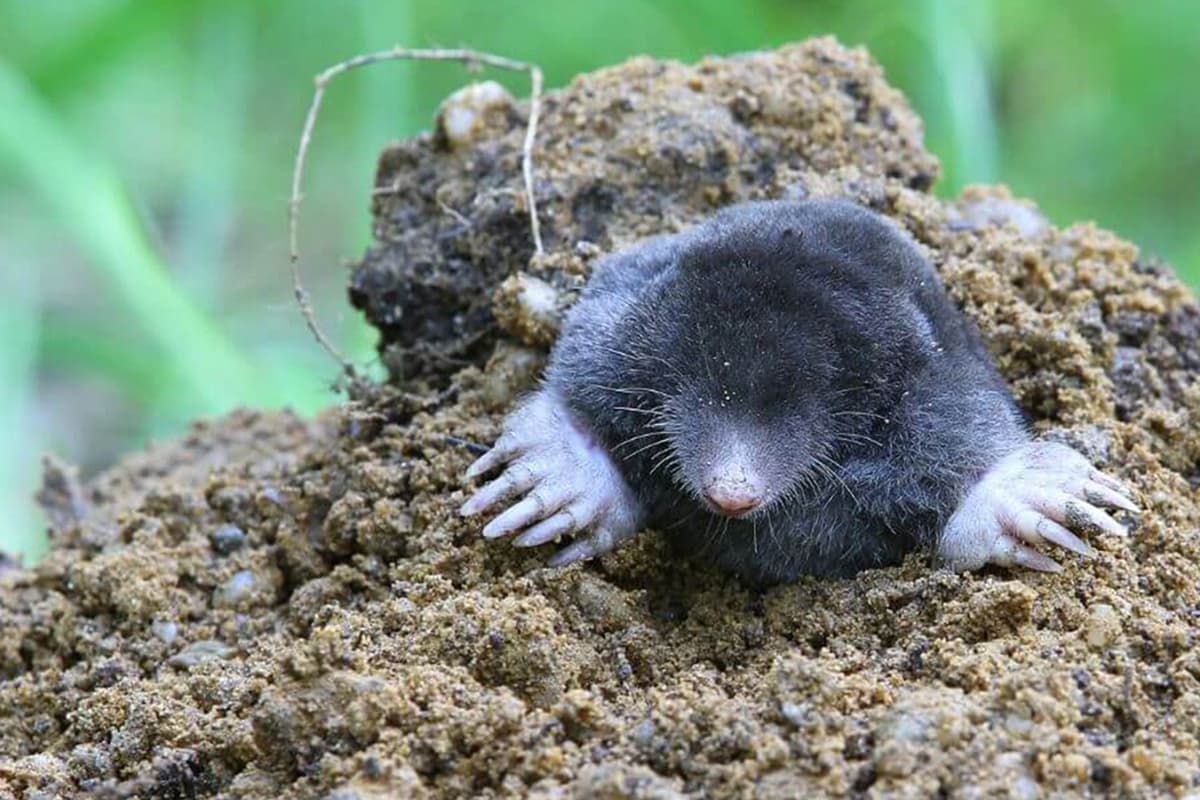

Yevgeny Mashkov. “This is a classic underground inhabitant, miniature and outwardly pretty,” says Yevgeny Mashkov, senior researcher at the Laboratory of Population Ecology of Terrestrial Vertebrates and Bioresource Management of the NAS of Belarus SPC for Biological Resources. The length of the animal’s body is from 11 to 16.5 cm, the weight is only 65-130 grams. The cylindrical trunk, without cervical interception, passes into the cone-shaped head with a small mobile proboscis.
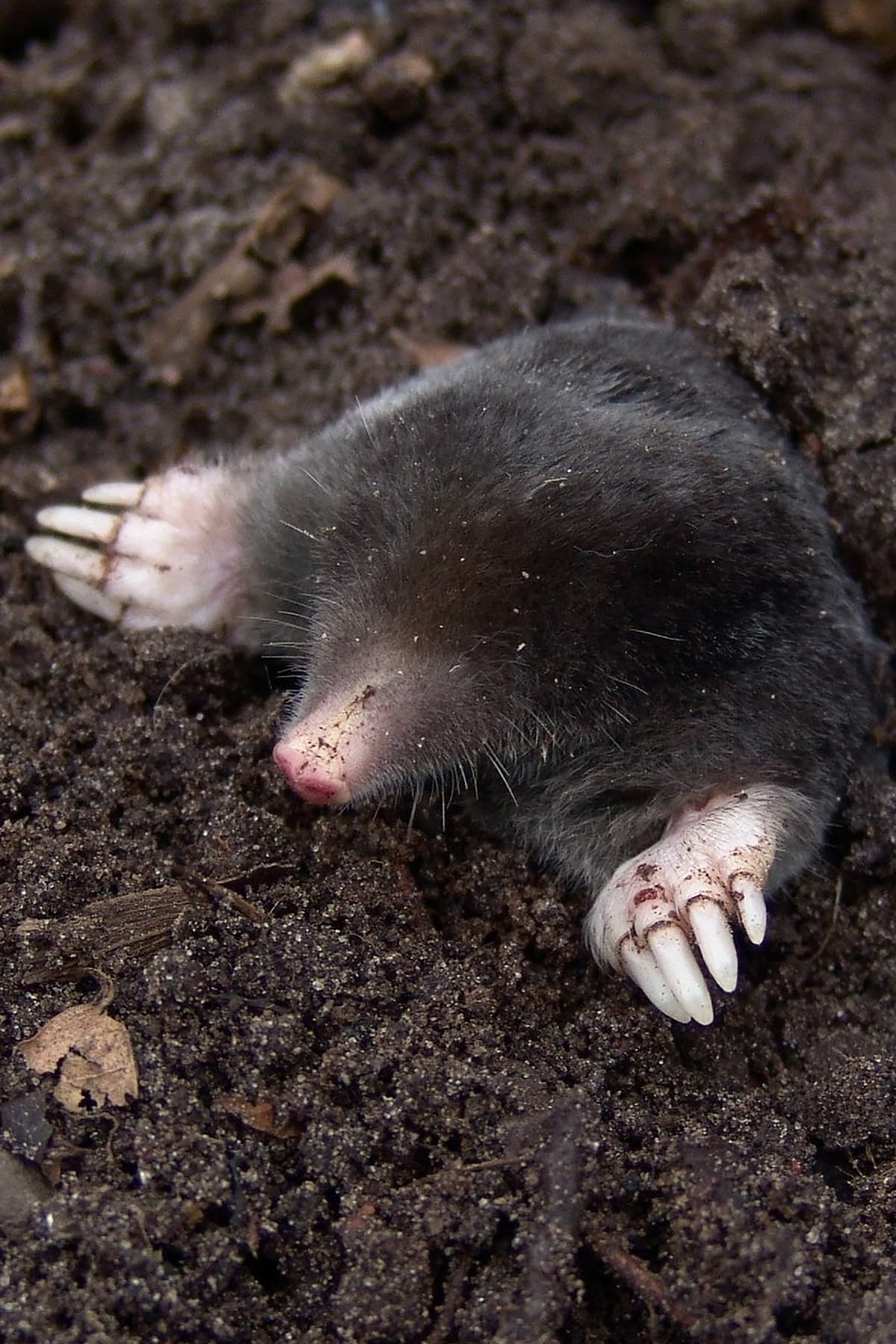
The main tool of the mole is the front paws. He digs the ground, screwing into the soil and alternately scraping the soil - so do modern machines for digging tunnels. Generally speaking, in terms of productivity, moles are a real living drilling rig, and highly efficient.
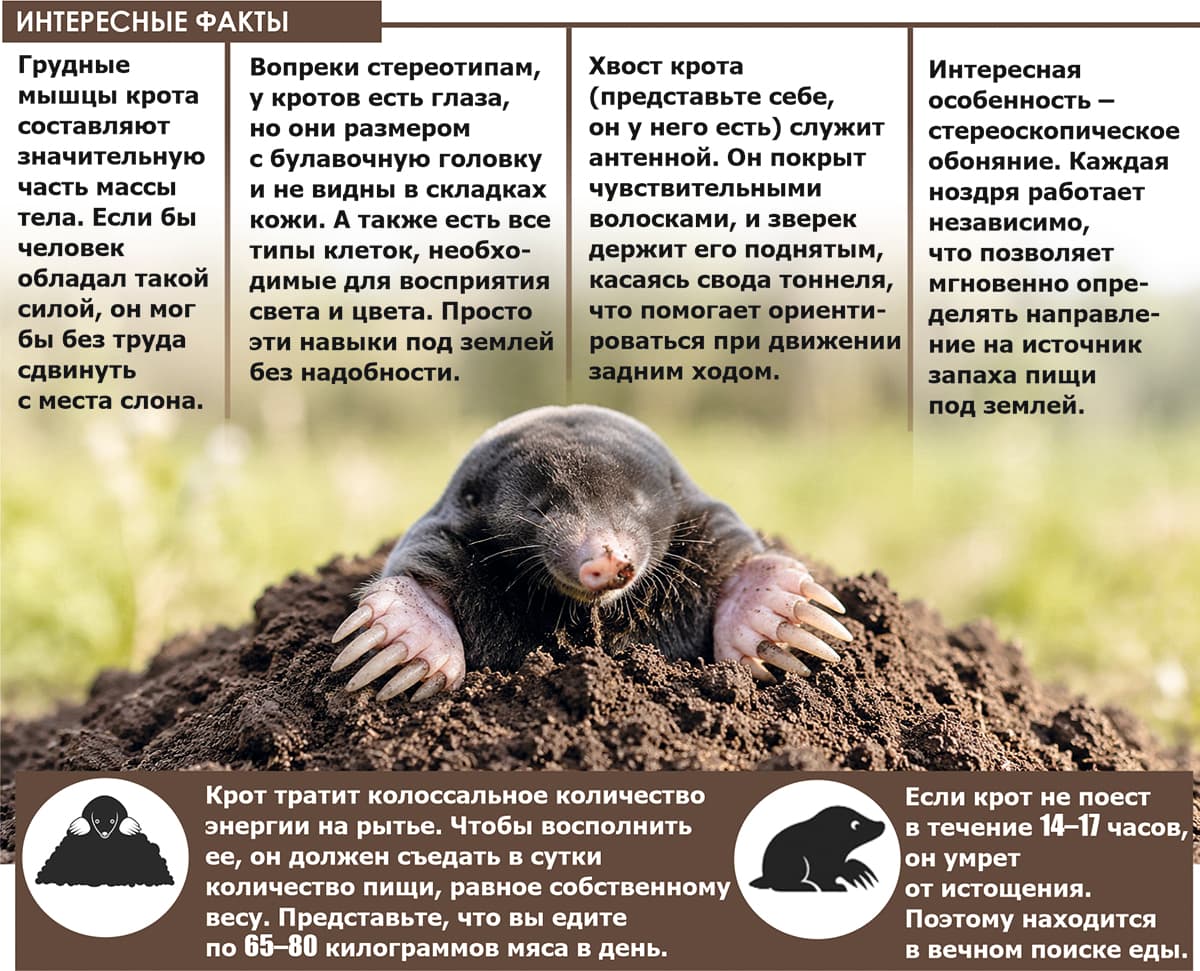
- There are several chips that help him in his work, continues Evgeny Mashkov. Let’s start with the most powerful shoulder girdle and well-developed pectoral muscles, which make up a significant part of body weight. The front paws are turned outward by the palms and equipped with a sixth, false finger. This flexible process of the wrist is a modified sesamoid bone that turns the limb into an analogue of a shovel. A separate story is fur. It is velvety, formed by short, densely growing hairs that have no pile and easily fall in either direction. This allows the animal to move in narrow passages in both directions. The fur coat does not pass either moisture or earth particles, but from contact with the walls, the burrow is quickly erased, so moles molt 3-4 times a year. For example, in the summer you can meet a mole that looks somehow pesky - it is, so to speak, a change of image in the process. The house as a fortress Moles are found almost throughout the country, which can be confirmed by both villagers and summer residents.
- They can be found in forest and forest-steppe zones, in a variety of landscapes, the expert notes. However, there is an important pattern: the largest share of mole meetings is timed to open landscapes - about 41%. Rich humus soils with a favorable feed base provide a high number. The mole prefers mixed and deciduous rarefied forests, forest glades, edges, meadows, floodplain areas, as well as gardens and vegetable gardens. The key condition is moist soils rich in humus, in which many earthworms are found. But areas with heavily swampy or sandy soil do not attract moles. For example, in the floodplain of the Sozh river, the density of moles can reach 15 individuals per hectare, and on drained peatlands - only 2-3 individuals per hectare. The mole is unevenly distributed throughout the country as a whole, which is also due to the relief of the terrain and the type of soil: loamy and sandy soils prevail in the northern regions, which are more suitable for digging passages, and in the southern ones - sandy and swampy, less forage.
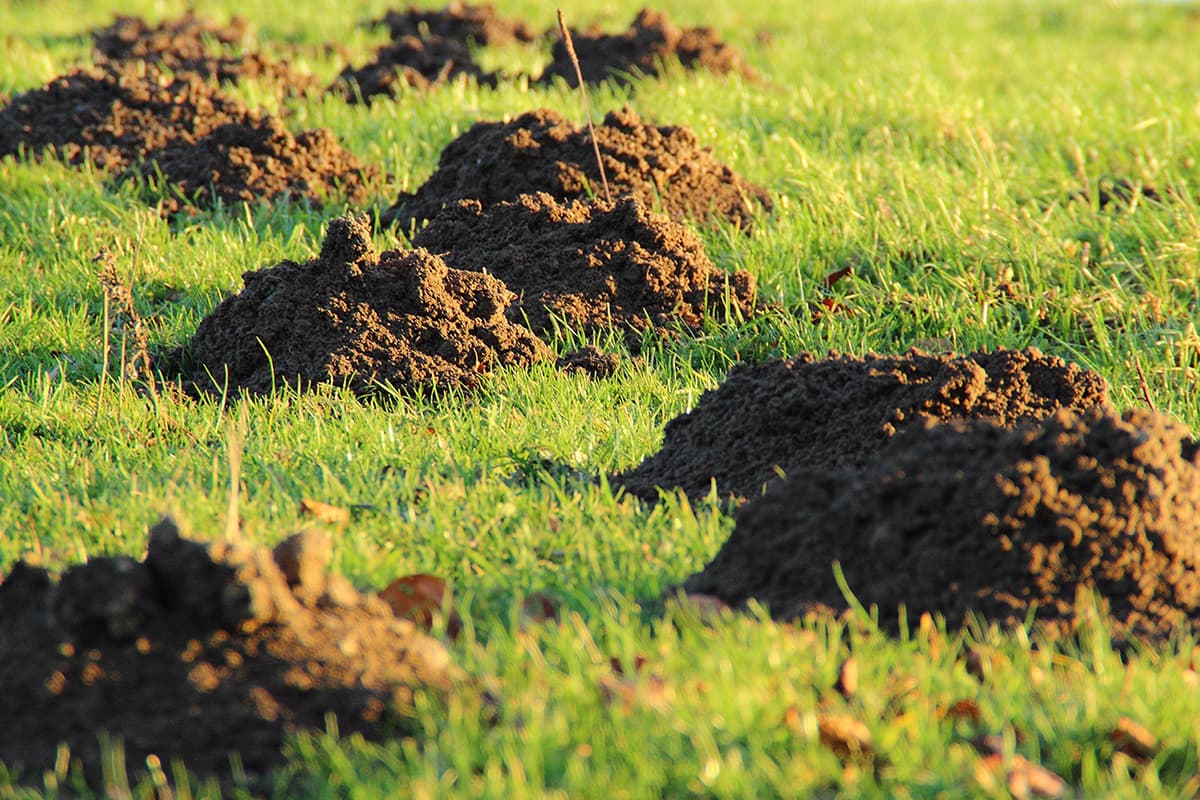
The main visual sign of the presence of a mole is a worm, that is, the ejection of the earth to the surface. On average, their diameter is 30-40 cm, but in some cases it can reach 70-100 cm. Moreover, in Belarus, worms are usually smaller than in other regions: this is due to the smaller size of our subspecies of the South Russian mole and soft soil.
- Under the crotovines hides a whole underground infrastructure, informs Evgeny Mashkov. This is a complex, multi-tiered system of moves, the walls of which are smooth and compacted. The animal runs on it at a speed of 25 meters per minute or 1.5 kilometers per hour. In one night, it can dig up to 50 meters of a tunnel, the total area of the passage system on average reaches 800 square meters, the total length of communications is 4 kilometers or more. It's impressive.
Feed, or hunting, moves are located at a depth of 5-25 cm, where worms, insect larvae crawl and so on. At a depth of 60 centimeters, trunk passages are laid, serving for movement between hunting areas. A nest oval chamber lined with dry leaves is a place where the animal rests, usually located under stumps, tree roots or stones at a depth of 70 cm. In the winter, the mole makes reserves of earthworms - bites and paralyzes with the help of a toxin contained in saliva. Canned food is stored in a separate chamber and used as needed. Sounds like a horror movie, doesn’t it?
The relationship of moles with people did not work out long enough: about 10-12 thousand years ago, since Homo sapiens mastered agriculture. However, the first documentary evidence of this conflict dates back to the period of ancient Rome. Then deep jars of water were used, which were buried in the soil to the very neck - a mole fell there, and, as they say, goodbye. How effective it was, it is difficult to say, but modern man causes skepticism: if this mole rat on the site started, it is difficult to remove it. There is no crime in the fact of tearing the ground apart, and it is even useful for the soil, but the matter is much more complicated than it seems.
- The mole is a dual phenomenon in the ecosystem, confirms Evgeny Mashkov. - There are a few positives. First of all, he's a natural reclamator. Making moves, the mole loosens and mixes the soil layers, contributing to their aeration, which increases fertility. There is evidence that on 1 hectare of birch forest moles carry from the lower layers up to 10 tons of material enriched with calcium, magnesium, iron and other minerals. And on wormholes, deprived of grass cover, the germination of oak and maple increases. Secondly, the mole is an active predator-entomophagus. He eats a huge number of soil insect pests: larvae of May beetles, snap beetles, bears, scoop caterpillars. This is a tangible help in the fight against pests of agriculture and forestry. Third, the mole is an important component of biocenosis. Its multi-tiered passages create shelters for many invertebrates and small vertebrates. It turns out that the animal is very useful. So why are people unhappy?
- Unfortunately, where the activity of a mole intersects with the interests of a person, it becomes a pest, the expert states. - The main harm is worms, which interfere with machine hay cleaning and complicate haymaking. In addition, throwing low-fertile layers of soil to the surface, the mole worsens the quality of meadows and pastures and contributes to the development of weeds. Many summer residents believe that moles chew the roots of plants and vegetables. But that's only partly true. The fact is that the mole does not eat plant food - it is an obligate (strict) predator. The basis of his diet is earthworms (70-90%). In addition to worms, it can be slugs, lice, centipedes, spiders and larvae of soil-dwelling insects: May beetles, snappers, bears, caterpillars. If small vertebrates - mice, lizards, frogs - get into his moves, he eats them too, if they are inactive. Based on the above, it is clear that the mole does not care about plants. It doesn't make it any easier. Moles often damage the root system of plants, the expert shares information. When laying moves, they undermine the roots of vegetable and decorative crops, which can lead to their drying. Young seedlings, berry shrubs and plants in greenhouses are particularly affected. The damage can be significant: beds settle, the soil structure is disturbed, part of the harvest is lost.
“The fight against the mole requires a comprehensive approach and patience,” warns Evgeny Mashkov. Chemical poisons are not the best way. They are dangerous to other animals, humans and can accumulate in the soil. Flooding burrows with water is ineffective and leads to the death of other useful inhabitants. The most effective and environmentally friendly method is trapping. Modern traps, such as the Piranha model, allow you to quickly and humanely get rid of an intruder. It is important to install them correctly - in existing, fresh moves, and not in old, already abandoned ones. The best time to catch is spring, when moles are most active.
The second method is deterrence. There are several options here. Ultrasonic and vibrational repellents create vibrations in the soil that are uncomfortable for moles. They also often use a simpler and cheaper way to dig metal bars into the ground and put plastic bottles on them: the wind will spin them, creating noise and vibration. Smell repellents are another humane method. Moles do not tolerate sharp smells. You can put a cloth moistened with gasoline, kerosene or acetone in a crotch and bury it. Help plant legumes, garlic and other plants with a strong aroma. The most reliable but time-consuming method is a physical barrier. On the perimeter of the site dig a fine mesh (plastic or metal) to a depth of 50-70 cm, leaving the side above the ground with a height of 20-30 cm. This will keep the moles from entering the precinct. Only one character will survive in moles - God forbid, as they say. The litter is usually up to 10 cubs, but by the age of one month they have time to fight with each other more than once. They are separated from the family without the slightest regret. The adult mole controls an area of about 1 hectare and fiercely defends its borders, chasing competitors. If two such "cute" fluffy fluffs collide in the tunnel, then only one will survive - just like in the movie "Highlander". Duncan MacLeod wielded a sword, and the mole has claws and crocodile-like teeth — 44, more than many other mammals.
- The mole is perhaps one of the brightest individualists in our fauna, says Evgeny Mashkov. A stranger who dares to invade his territory, he will not tolerate.
The mole's people are no better. Since he does not see well and perceives you as something nebulous, he does not consider it necessary to be frightened and can gnaw sensitively. Therefore, it is better not to stick your hand in a hole, even as a joke - you will be safe.
- Do not try to catch a mole with your bare hands, and if you need to move the animal, put on thick gloves, the scientist emphasizes. A common myth says that moles are carriers of rabies, but in fact this disease is recorded in them very rarely. However, they can be carriers of other pathogens. For example, bacteria of the genus Leptospira (leptospirosis), some types of salmonella. Also on their hair can live ticks that carry tick-borne infections. Therefore, even a small bite should be taken seriously: you need to immediately wash the wound with an antiseptic and observe it for several days. If there is an increase in pain, swelling, redness, pus or fever, you should consult a doctor.
In Belarusian folklore, the mole is a significant figure. It refers to chthonic animals, that is, creatures associated with the earth and the underworld. It was this connection that gave him magical properties, Yevgeny Mashkov is sure:
- There was a Belarusian legend about why the mole is blind. According to her, God sent a mole into a hole as a punishment for the fact that he began to spoil the plantations of paradise, and determined that his eyes would decrease so that by the time of the death of the light, they would completely disappear. The land of crotovin was endowed with straitjacketing and neutralizing properties. She was thrown through a swarm of bees to sit on the ground, through a burning house to calm the fire. Before the first expulsion of cattle sprinkled the horns of animals with soil from the wormhole, so that the beast was not retarded.
They go in and out. In recent decades, the number of moles in Belarus is growing, which causes concern among scientists. And the villagers are not happy with the breeding mole rats.
- The increase in numbers is due to several factors: the absence of natural enemies (the pungent musky smell scares away most predators), a sufficient feed base throughout the year and the cessation of commercial production, — said Evgeny Mashkov. Until the 1980s, the mole was an important commercial species: in the postwar years, the harvesting of worm skins accounted for 20-25% of the total fur exit in Belarus. For example, in 1935, 31 million mole skins were mined on the territory of the USSR.
To catch a mole without a trap is a quest. If the animal is healthy, chances are few. To begin with, although the mole has no ears (they would interfere with crawling and clogged with the earth), it hears perfectly, catching the slightest vibration. A man's steps, even if he thinks he's sneaking quietly like a cat, he hears from ten meters away. By the way, cats, he can also easily “catch up”. Theoretically, their presence on the site should reduce the activity of moles, since the cat smell is a signal of danger. But since animals spend up to 90% of their time underground, they don’t care. In order for a cat to catch a mole, two factors must coincide at once: a developed hunting instinct (it is practically absent in pets) and the animal’s exit to the surface. But as the mole would say, if it could say, “You can’t wait!”


