Preventive constitutional control aimed at forecasting legal consequences – Sivets
The Constitutional Court and the Council of the Republic are constantly working in a coordinated manner to ensure the supremacy of the Basic Law and to maintain ...
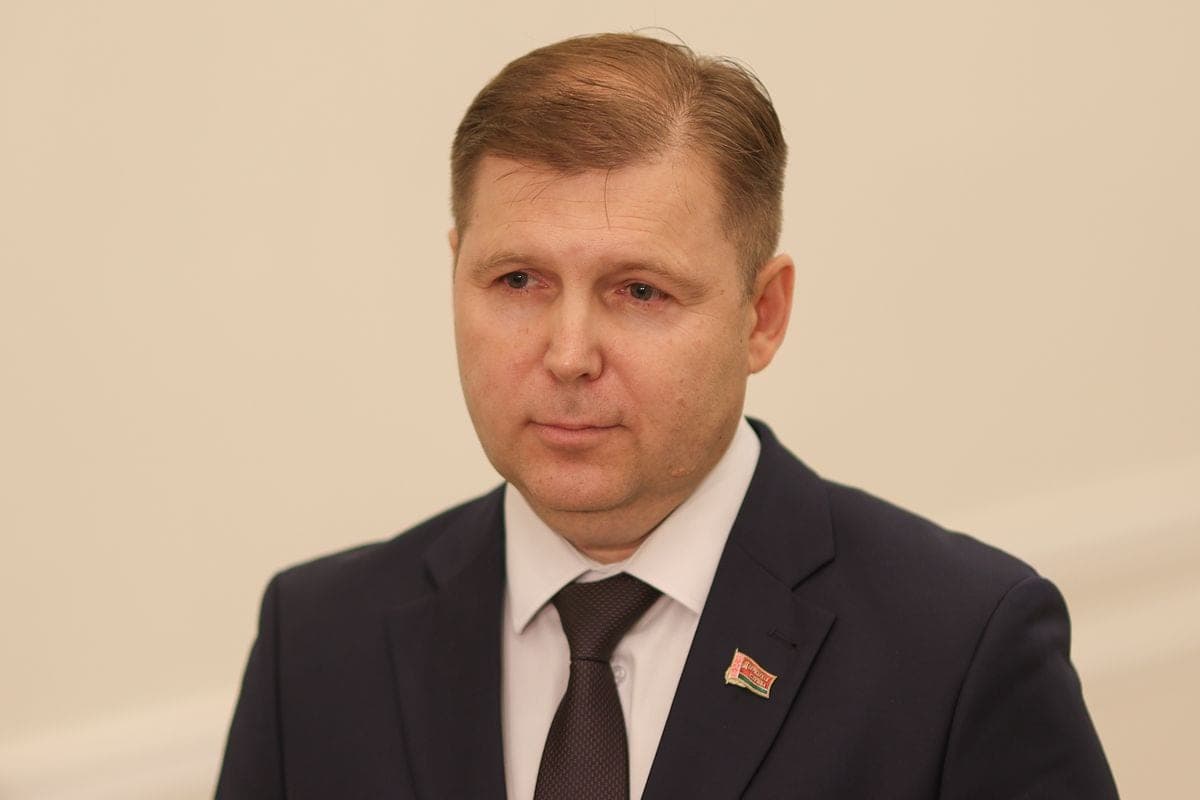
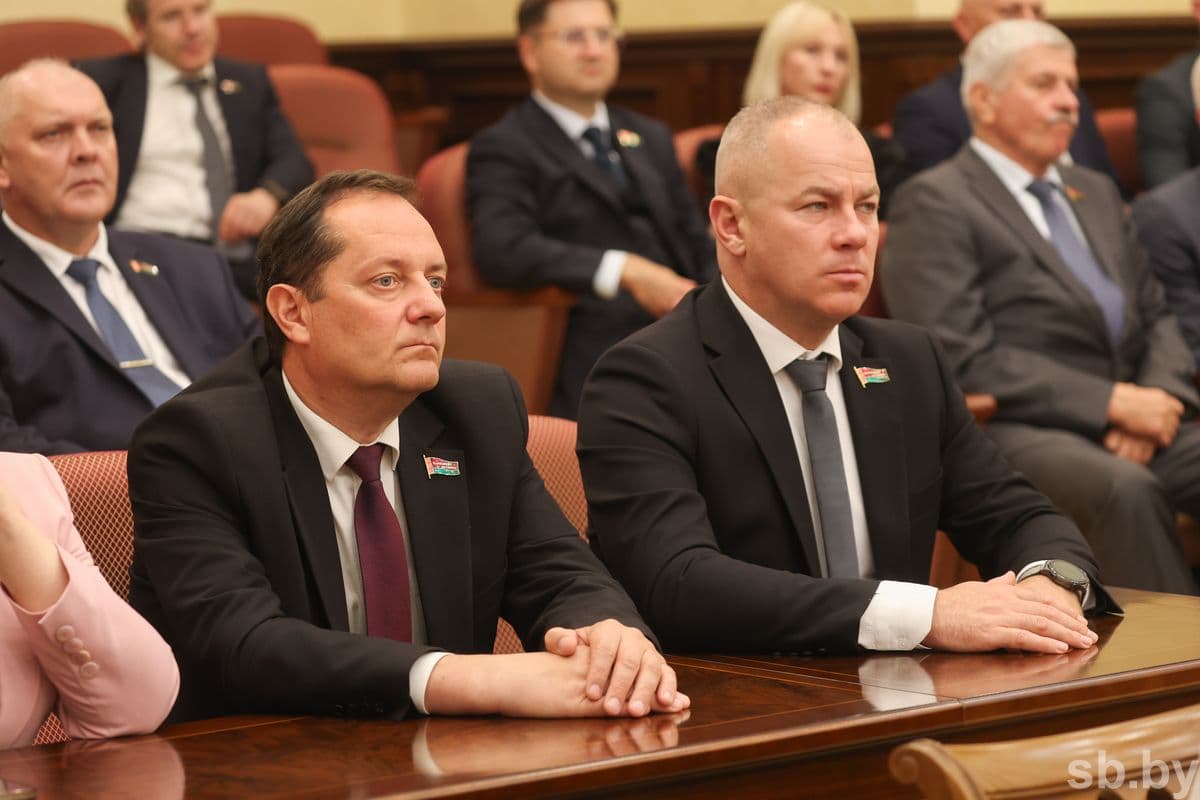
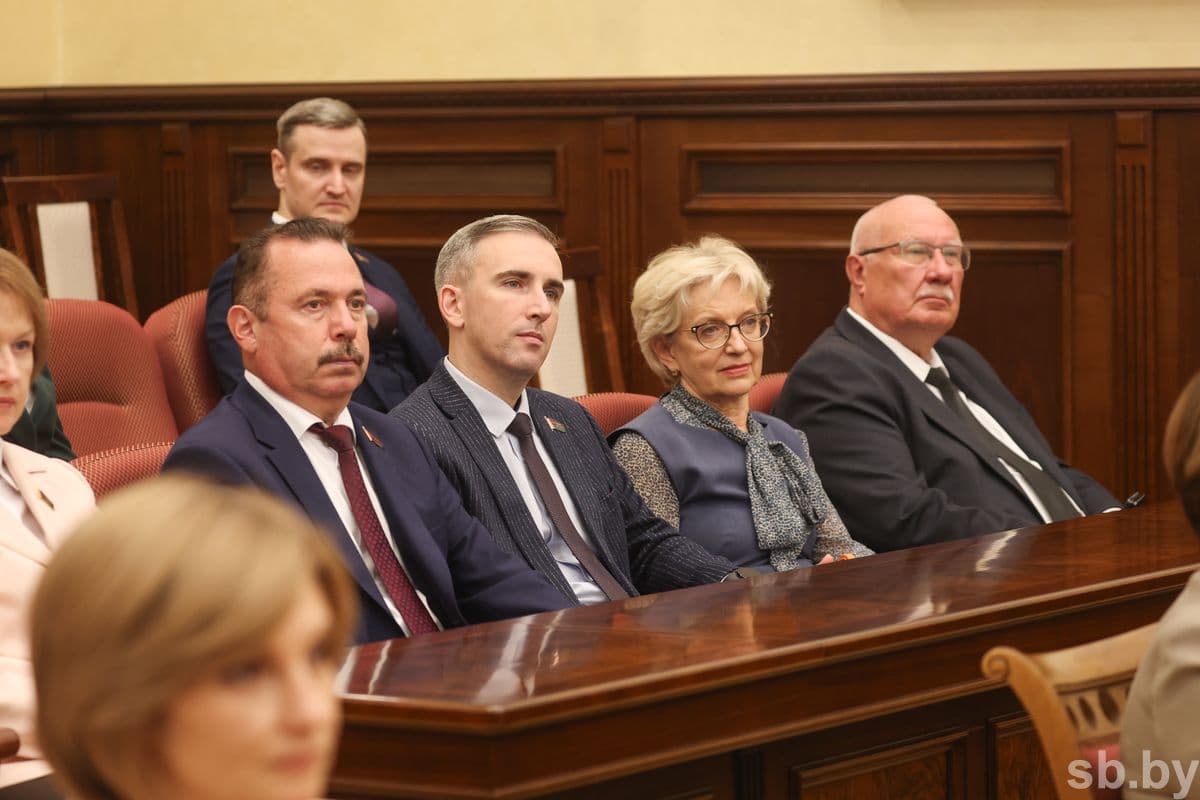
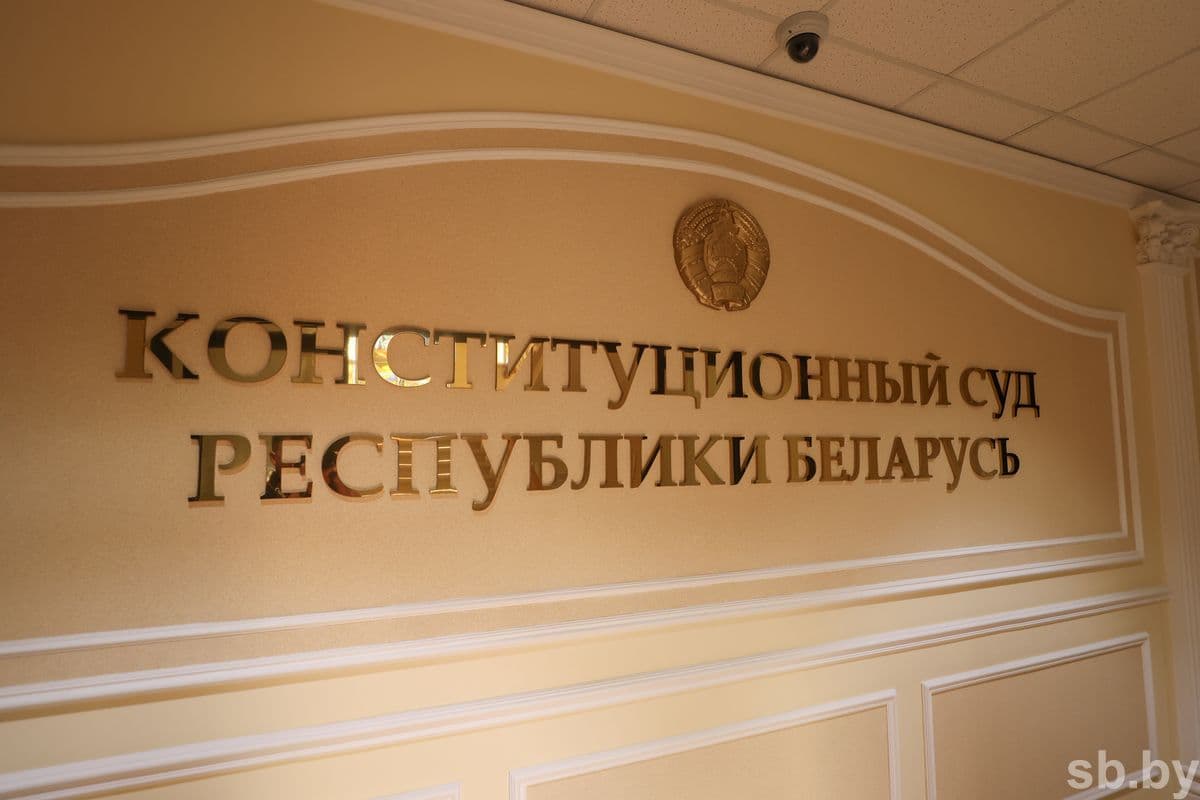
The Constitutional Court and the Council of the Republic carry out continuous coordinated work aimed at ensuring the supremacy of the Basic Law and maintaining the stability of the legal system of the country. On September 15, at a meeting of senators and judges, Chairman of the Constitutional Court Sergey Sivets said this, sb.by correspondent reports.

The new legislative season began with a visit by members of the Council of the Republic of the Constitutional Court. Sergey Sivets noted the symbolism of the meeting:
- Within these walls, parliamentarians began their work. We are now meeting primarily to improve the quality of national legislative activity and to consolidate guarantees for the protection of citizens’ rights and freedoms. This organically fits into the order of the Head of State, which is aimed at expanding the potential of the Constitutional Court.

- This is especially true of the rapidly developing sphere of social relations, which requires proactive legislation in order to avoid legal lacunae. Preventive constitutional control and focus on it.
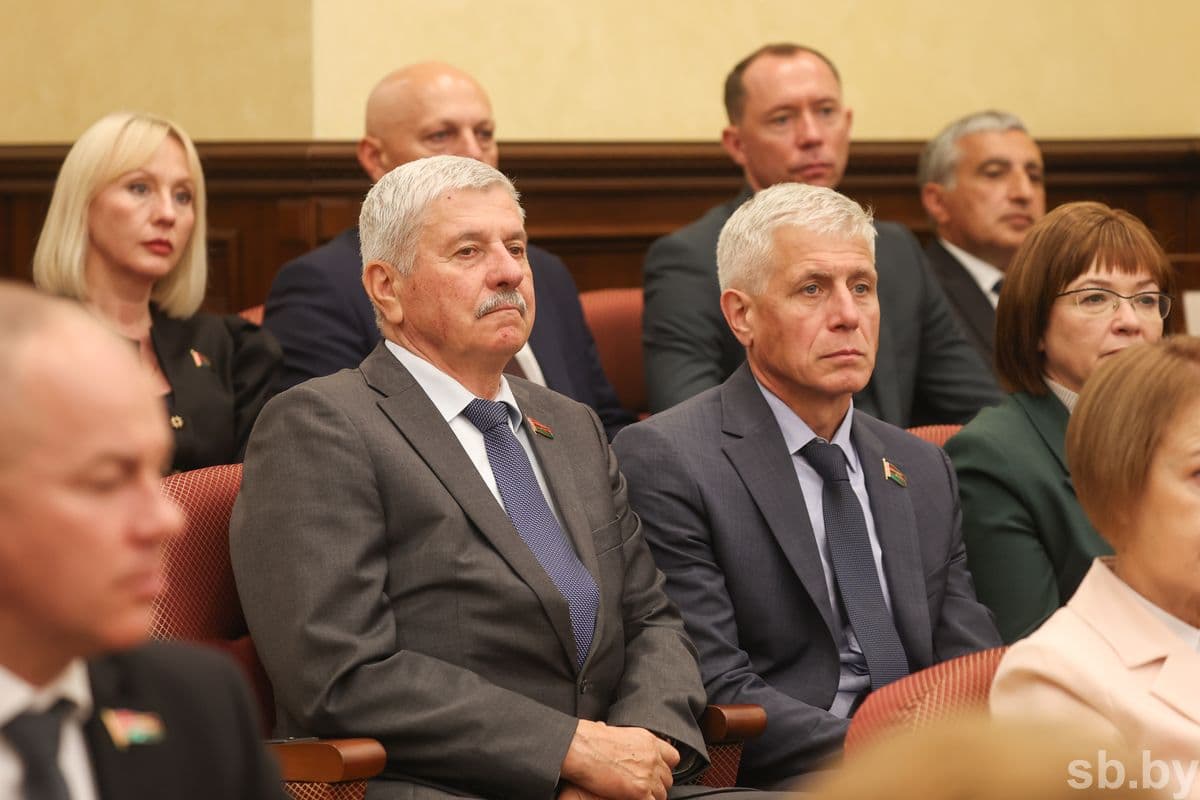
Preliminary control involves forecasting the consequences of the application of normative legal acts for the constitutional rights and freedoms of a citizen. Therefore, the interaction of the legislative and judicial authorities is necessary.
- Within the framework of preventive constitutional control, we considered two constitutional complaints on which decisions were made on refusal to initiate constitutional proceedings. These are issues related to the norms of the Civil Code and the Procedural and Executive Code on administrative offenses. In those situations, there were no signs of violation of the constitutional rights and freedoms of man and citizen. But at the same time, the judges of the Constitutional Court saw legal uncertainty, which in the future may lead to violation. We asked the House of Representatives and the Council of Ministers to take this into account. We were answered positively, Sergey Sivets said.