Vaccination against influenza after 60 years: Ulyanovsk doctor told about contraindications, complications and timing of vaccination
Residents of the Ulyanovsk region over 60 years old are recommended to be vaccinated against the flu annually, even if they rarely leave home
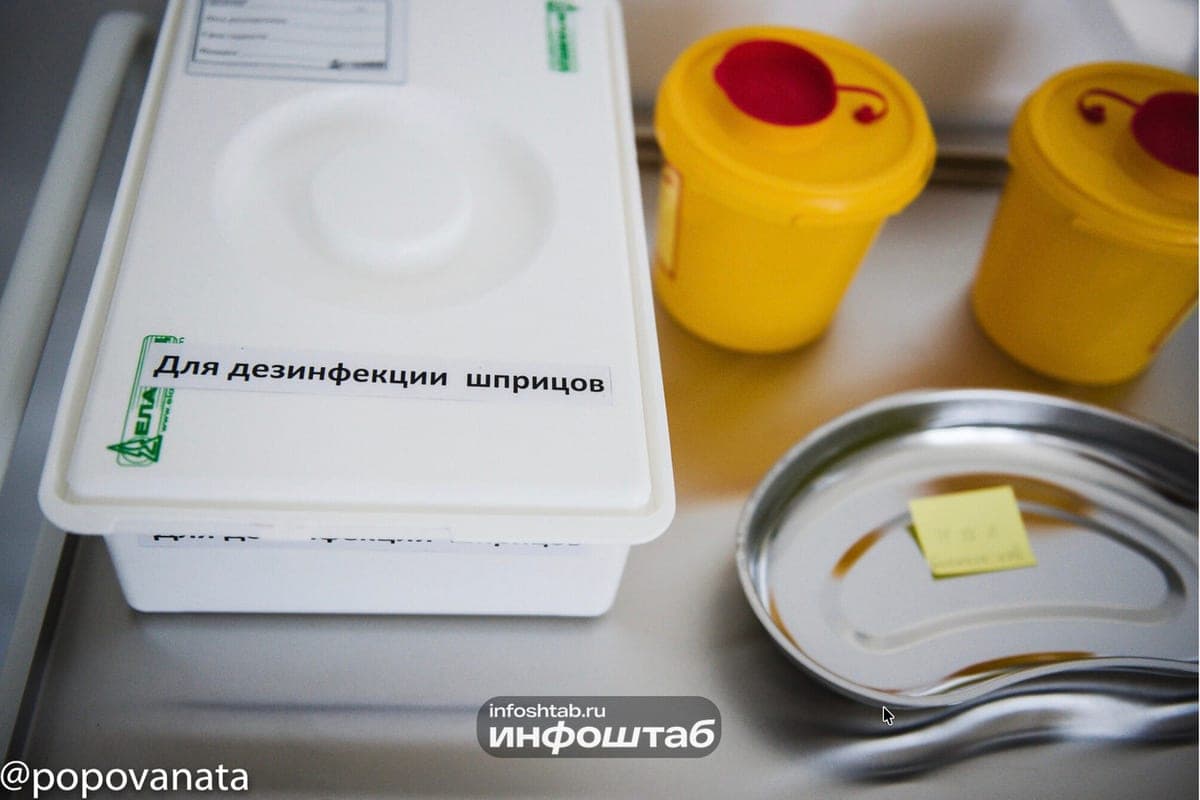
Residents of the Ulyanovsk region over the age of 60 are recommended to be vaccinated against the flu annually, even if they rarely leave the house. In the elderly, the infection can lead to pneumonia, exacerbation of chronic diseases and long-term recovery. About how vaccination helps to avoid dangerous consequences, said the head of the epidemiological department of the Ulyanovsk regional clinical hospital of war veterans Firdaus Sayfutdinov.
With the onset of cold season, elderly Ulyanovsk residents should pay special attention to protection from the flu. After 60 years, the immune system gradually changes, making it harder for the body to cope with infections. An additional danger is concomitant diseases, including diabetes, pathologies of the heart and lungs.
According to Firdausa Saifutdinova, one of the most serious complications of influenza is pneumonia. In addition, the infection can worsen the condition of patients with heart failure and chronic diseases of the respiratory system, and in people with diabetes - make it difficult to control blood sugar levels.
Even after recovery, the effects of the disease can persist for a long time. Severe weakness increases the likelihood of falls and injuries, and returning to normal activity sometimes takes a long time.
In this case, the vaccine does not guarantee complete protection from infection, but significantly reduces the risk of severe disease.
“Vaccination does not guarantee that a person will not get sick at all. However, it reduces the likelihood of severe flu, complications, hospitalization and death, said Firdaus Sayfutdinova.
The specialist stressed that vaccination is necessary every year. This is due to the variability of influenza viruses and the gradual weakening of immune defenses. The composition of drugs is regularly updated taking into account the alleged strains that will spread in the new epidemic season.
The best time for vaccination is September and October. After administration of the drug, the body takes about two weeks to form an immune response. However, if the vaccination failed on time, the possibility of later vaccination should be discussed with a doctor.
It is especially important not to refuse vaccination to people with chronic diseases. As noted by the epidemiologist, such diagnoses are usually not a contraindication. The main thing is that the patient’s condition is stable. In case of exacerbation of the disease or acute infection, vaccination can be temporarily postponed.
Before the procedure, Ulyanovsk residents need to undergo a medical examination and inform a specialist about medications taken, allergic reactions and health characteristics after previous vaccinations.
Firdaus Sayfutdinov also dispelled widespread fears that the vaccine could cause flu. According to her, inactivated injectable drugs do not contain a live virus that can cause disease.
After vaccination, sometimes there is pain at the injection site, a slight fever or weakness. These reactions usually take place on their own. However, with a pronounced deterioration, it is necessary to seek medical help.
Vaccination is important not only for the person himself, but also for his relatives. Reducing the likelihood of the disease helps reduce the risk of transmission to family members, especially young children, pregnant women and elderly relatives.
At the same time, even vaccinated Ulyanovsk residents should not forget about other preventive measures. When symptoms of infection appear, it is necessary to limit contact with others and consult a doctor in a timely manner.