
Check the pH of the soil before applying wood ash
Wood ash provides potassium and other mineral elements, but at the same time increases the pH
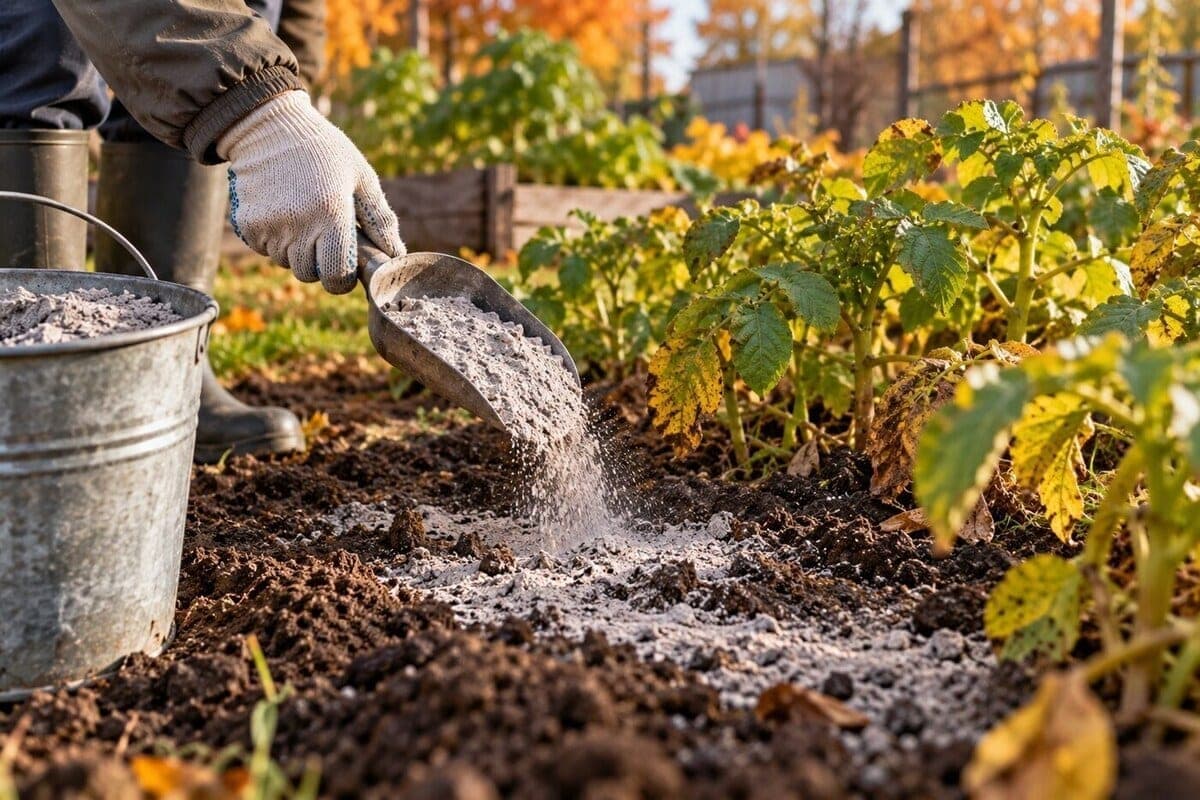
Wood ash gives potassium and other mineral elements, but at the same time increases the pH. Therefore, before autumn application, it is worth checking the acidity of the soil, especially if ash has already been used in previous years.
On acid soil, moderate application may be helpful. If the pH is already close to neutral or higher, regular ash can cause excessive alkalization. In such soil, plants less absorb iron, manganese and some other elements, although they remain in the soil.
Under blueberries, rhododendrons and other acid-loving cultures, ash is not applied. In potato beds, an increase in pH can increase the risk of common scab. If you need only potassium, and the acidity is already optimal, it is better to choose a fertilizer without a pronounced limestone effect.
Ash is not an exact replacement for the calculated dose of potash fertilizer: its composition depends on wood and combustion conditions. For the garden, only ash from pure untreated wood is suitable. Ash from coal, garbage, painted and impregnated materials is not suitable.
Fresh ash is not mixed with ammonium nitrogen fertilizers. If applied regularly, first measure the pH. Ash is used not out of habit, but when the soil really needs potassium, and reducing acidity.
Period of relevance: approximately from August 20 to October 31 for the middle strip of Russia / Central non-black earth zone. The period of autumn soil preparation and possible application of wood ash; the need for application is determined by ph and soil needs.