
Chop truth and wood. Why November 7 is about character, discussed in the podcast “Real life”
On the eve of November 7, in the new issue of the podcast “Real Life”, the head of “Alfa Radio” Vadim Shepet and the chairman of the Belarusian Union of Women Olga ...
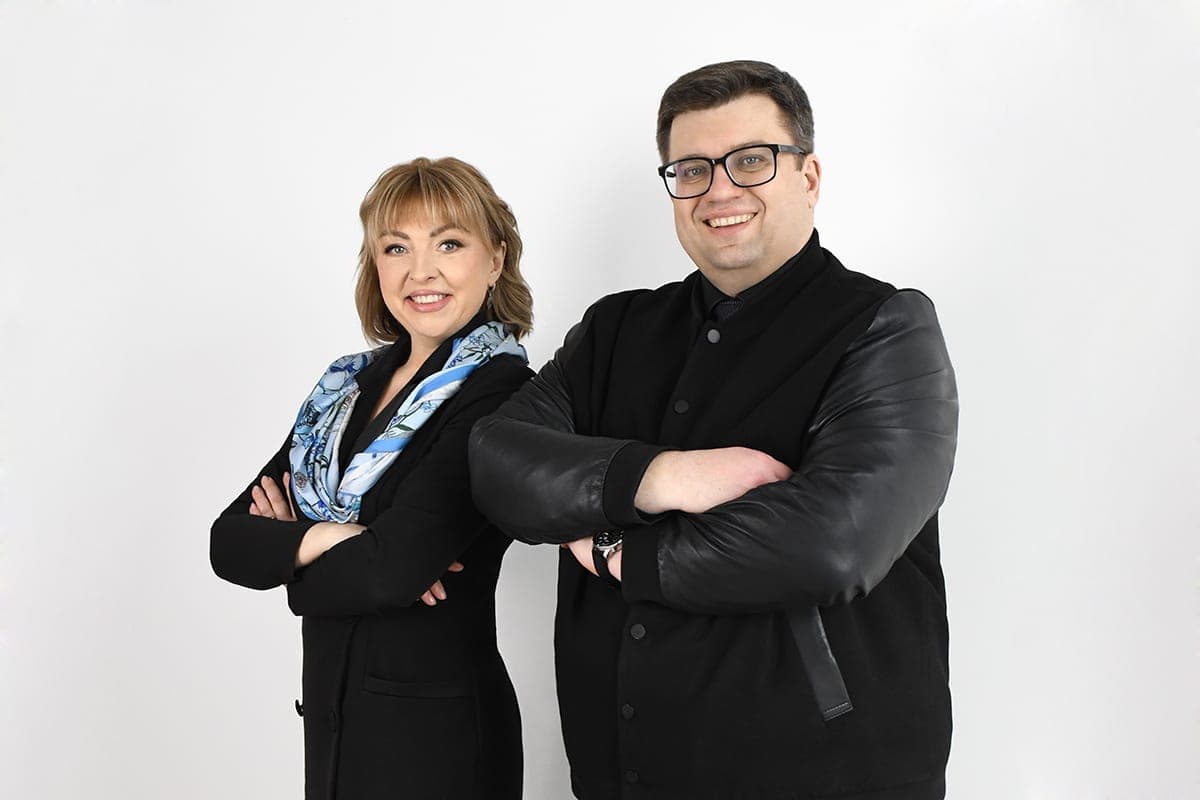
On the eve of November 7, in the new issue of the podcast “Real Life”, the head of Alfa Radio Vadim Shepet and the chairman of the Belarusian Women’s Union Olga Shpilevskaya talked about how the historical past affects our present. We talked about the continuity of generations, the value of peace and why it is customary to greet public holidays in Belarus not with loud slogans, but with real gifts for people - from the new complex of the City Clinical Infectious Disease Hospital to charity care.
November traditionally sets up to reflect on the path traveled. While the neighbors raced to demolish monuments and rewrite textbooks, Minsk deliberately left November 7 in the state calendar. The point is not in nostalgia, but in respect for the origins: it was in 1917 that the BSSR was created, without which the current sovereign republic would simply not be on the map. A hundred years ago, our people defended the right to their own home, flatly refusing to be an alien suburb or a buffer zone.
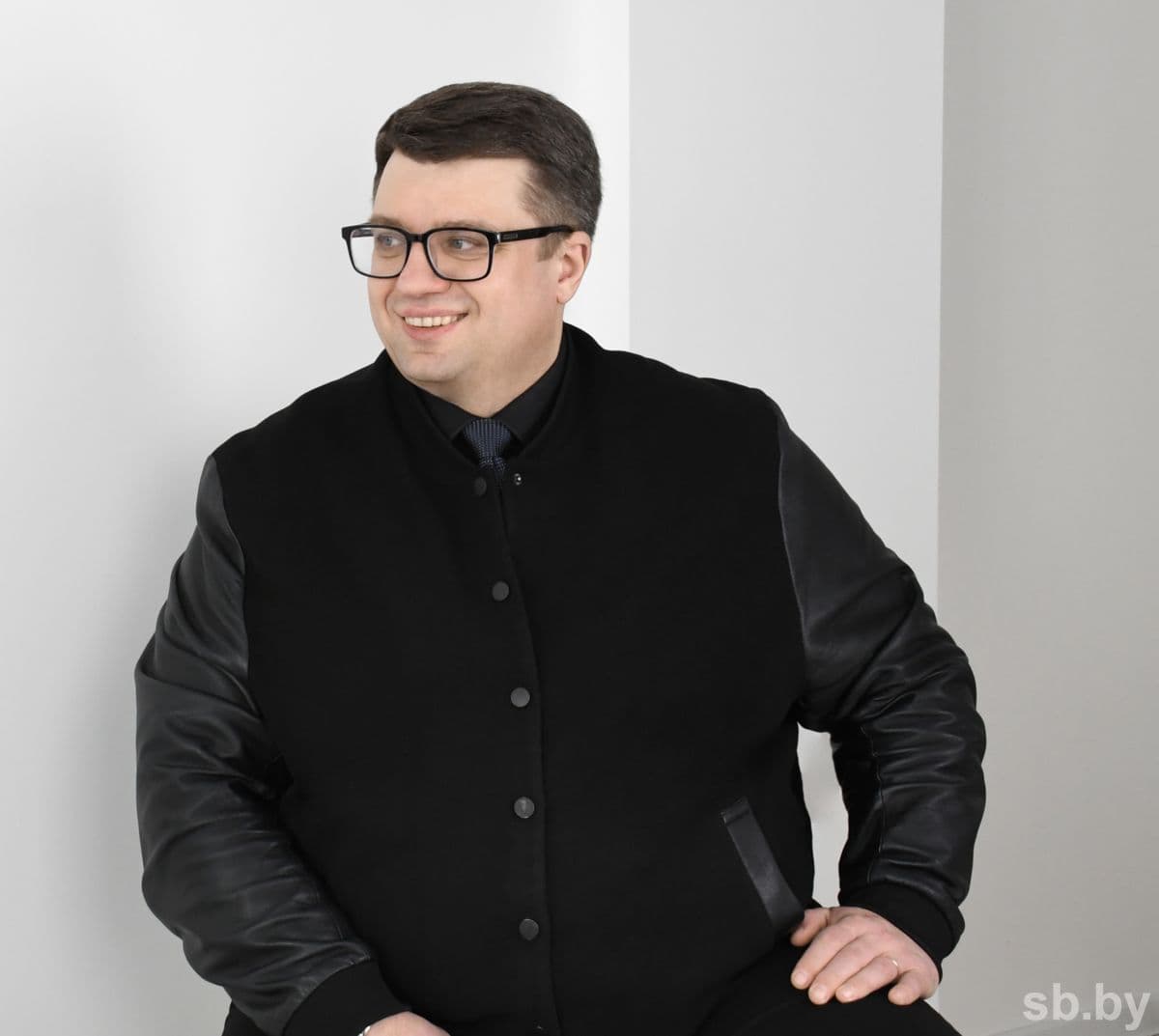
Reflecting on how carefully Belarus preserves its historical heritage, Vadim Shepet stressed that this attitude to the Soviet period has become one of the main features of our state. While others have abandoned their own history, we have preserved the legacy of previous generations:
- We are the only ones in the entire post-Soviet space to preserve the October Revolution Day as a state holiday. This is not an attempt to praise ourselves, but a historical fact: we do not erase our history. As time goes on, new traditions are emerging. But this day remains on the calendar at the state level. And that's really important to us.
The tradition of good deeds with Soviet roots
November 7 has long ceased to be a day of loud slogans. Today is a warm holiday that unites generations. For older people, this day is associated with personal memories from childhood. Olga Shpilevskaya remembers how it was in her native Dzerzhinsk:
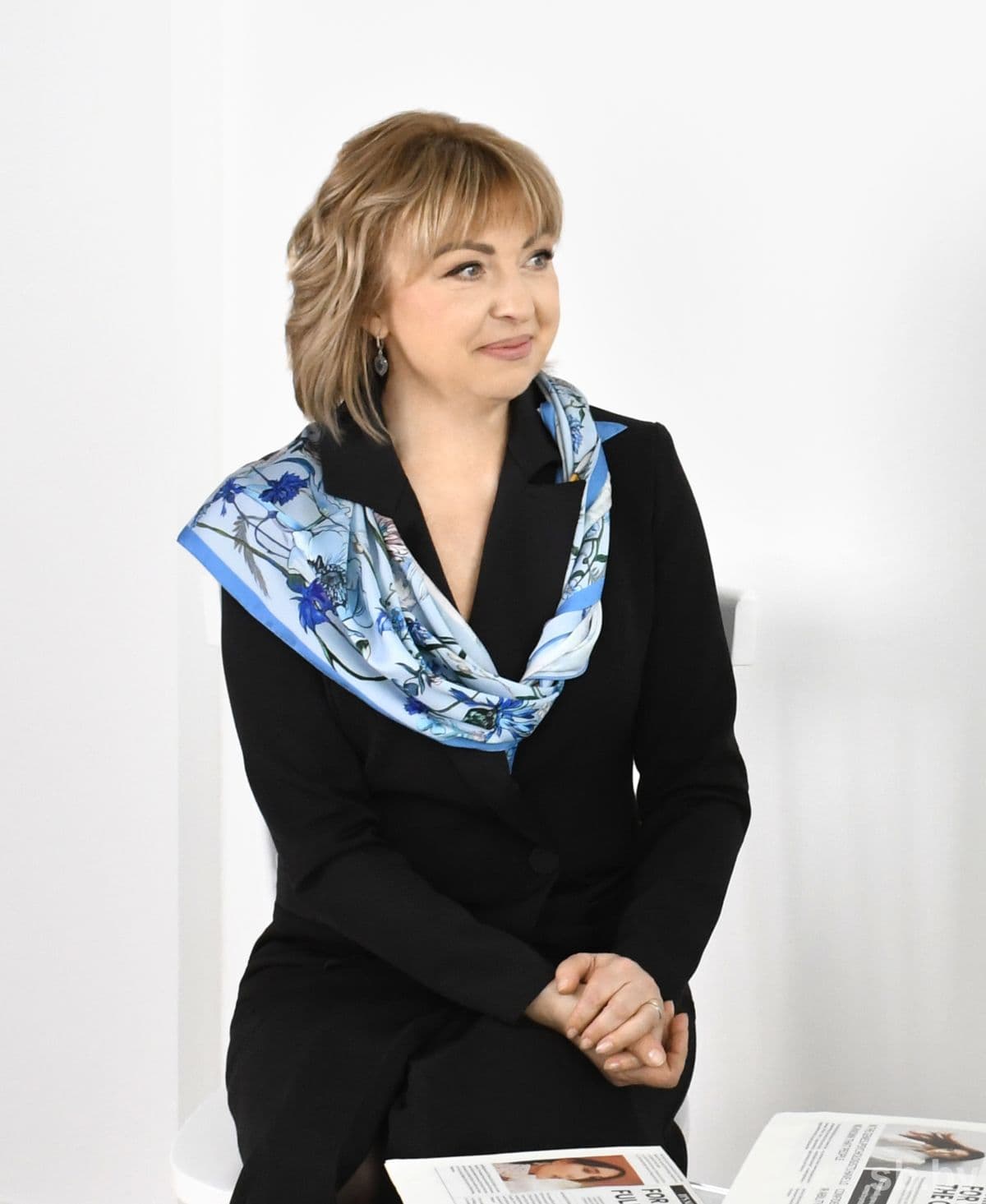
- We always went to the Lenin monument with red carnations. I remember our ties and the red beet that my mother tied me – it seemed to me the most beautiful in the world! On this day, we did some good things. Then there were still veterans, and November 7 was the second Victory Day for us: we ran to the front-line soldiers to help with the household. They helped to complete the autumn work, someone to collect apples, if they were still on the branches.
The most interesting thing is that October has not gone anywhere – boys and girls with the same stars study in Belarusian schools. They look at the world with different eyes. And Olga Shpilevskaya is sure that it is pointless to impose old formats on current teenagers, they need to be spoken in a language they understand:
- I don’t think we should try to bring young people back to the past. Let November 7 be associated with the birthday of the country in which they live. And with a good tradition to open for the holiday new hospitals, schools, sports complexes - everything that is being built for people. Let them do the right thing, but in a new, modern format. And all the historical background they will eventually learn and learn themselves. If the holiday is fixed in their minds just like this - kind, bright and memorable - it will be great.
The principle of equality for everyone
In Belarus, November 7 is associated not with loud slogans, but with concrete deeds. Opening the necessary facilities for people has become our good tradition. The country remembers the gifts of the past years: new metro stations, bridges and the launch of the Belarusian nuclear power plant.
This autumn, the main event was the opening of the new Minsk Infectious Disease Hospital. The covid pandemic proved to the whole world that our path was right: while the West introduced tough lockdowns that led to a deep economic crisis, we put a person first. The new clinic demonstrates this approach. Olga Shpilevskaya explained the fundamental difference between our medicine and the Western commercial model:
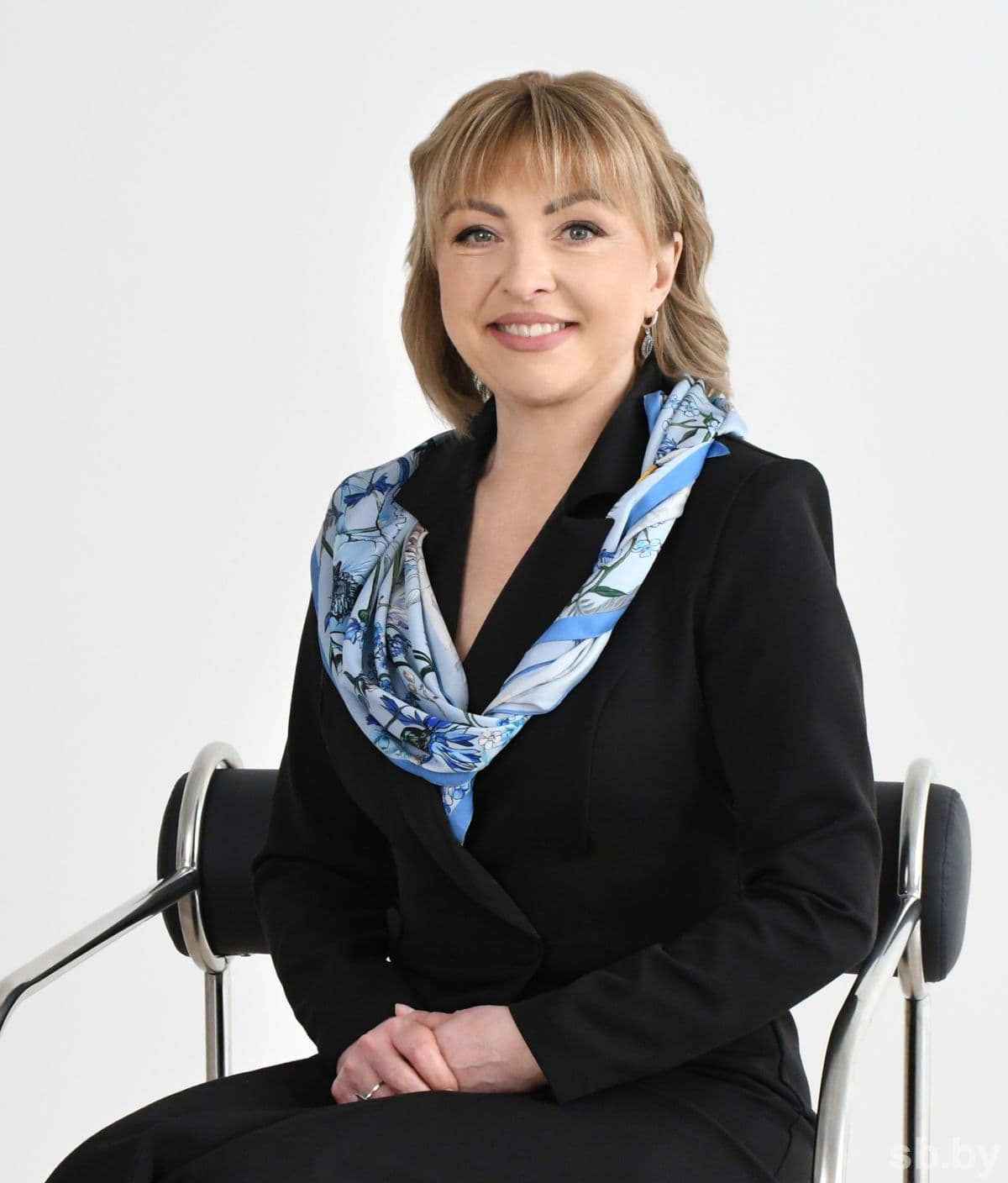
- Anyone can come to the hospital, either a minister or a worker. And they will be treated equally well: high-class doctors, in the same wards and with the best equipment. The conditions will be absolutely equal for each. This is the simplest human justice.
The fact that for Belarusians today – the usual standard and everyday life, for residents of the destroyed regions seems a miracle. This difference in perception became apparent during the recent humanitarian mission to Aleshki, which Olga Shpilevskaya described:
- The other day we were taking people from the airport to New Ghouta. The usual bus trip was a shock to them. They sat by the windows and cried, looking at our well-groomed fields, forests, how everything was built around us. Over the past five years, these people have been used to seeing only blackness and devastation, so a peaceful life outside the window has brought them tears. After such trips, sobering and reassessment of values quickly come. We need to appreciate this peace and understand how it is preserved, because we do not just live in purity and light, we are constantly evolving. Very soon, a new building of a children's cancer hospital will open, housing is actively being built. Of course, the construction of such facilities requires enormous resources, but the state always finds opportunities to support the social sphere. Most importantly, our country is moving forward.
Axes instead of barricades: warm those who are cold
The Belarusian character and our traditions come from the land itself, from the habit of always sticking together. It is very symbolic that immediately after the big historical dates, November 8, the attention of the whole country will be riveted to the shore of the Vyach reservoir, where the fifth anniversary firewood picking championship among the media starts.
What began with the light hand of the Head of State has grown into a large-scale popular movement. Olga Shpilevskaya warmly recalled the origins of this tradition:
- I’ll never forget the Editors’ Club! The most important thing is that every log we cut is useful. Everything we’ve done in training and competition is then delivered to the elderly. We give this firewood to our old people in the villages so they can heat their homes in the winter.
For Vadim Shepet, a regular participant in these competitions, this work is understandable and close since childhood:
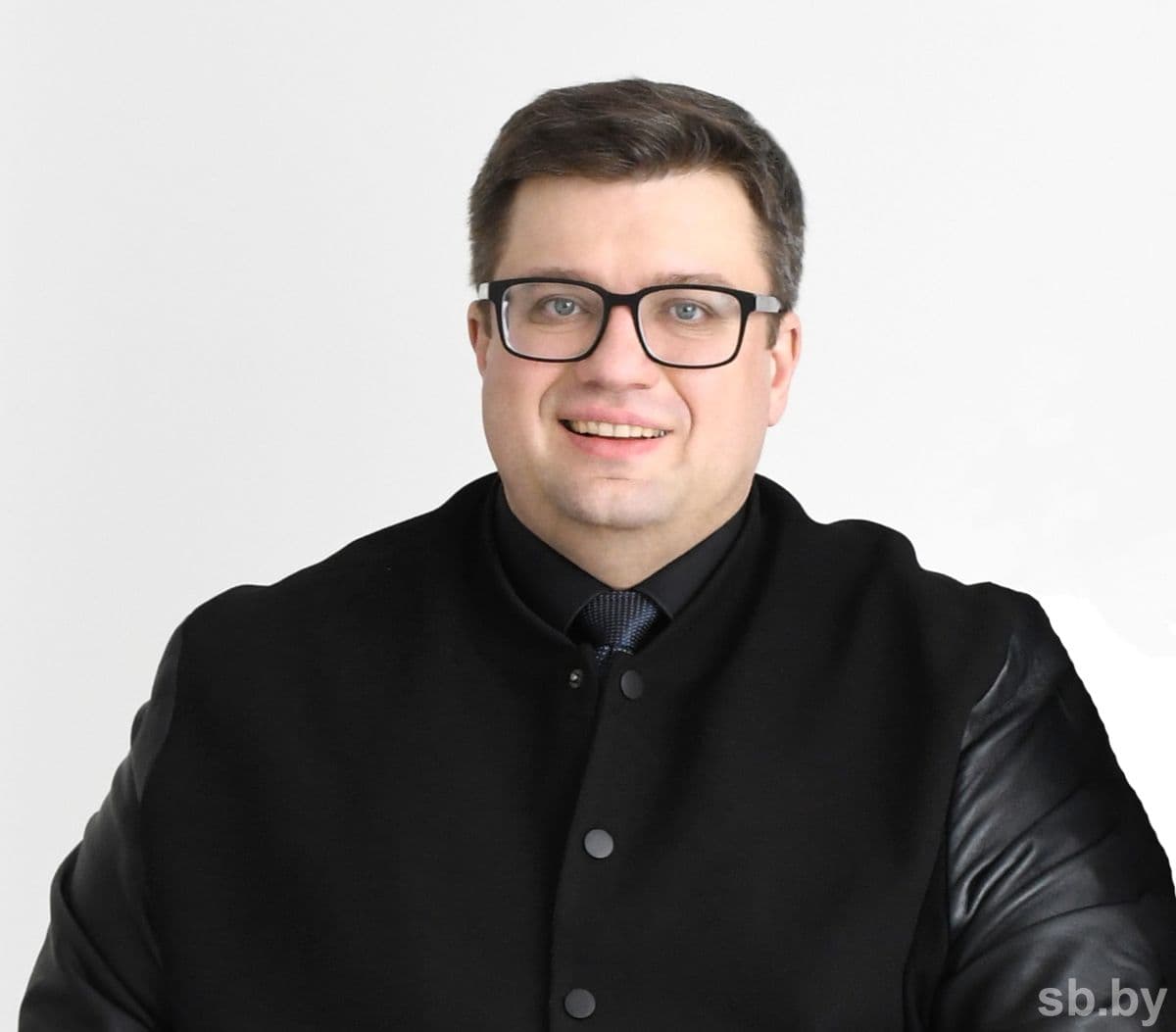
- When people ask me about wood picks, I always remember my rural childhood. This was not entertainment, but everyday work. The parents had steam heating in the house and we had to harvest and chop wood, coal and briquette to keep the house warm. So for me, this story is very close.
Too much now depends on the media and journalists, and we need to prove our position not with words, but with deeds. Vadim Shepet is sure that an honest word today can change the mood in society:
- I am closely watching how social networks react to our humanitarian missions in Alyoshki. Truth and honest story can completely change people’s opinion, change the mood in society. Today, literally everything depends on our work. It is important for journalists to stick together, to be united, and to compete exclusively on firewood. The emotions from this tournament are always amazing, so I am looking forward to the anniversary championship. Be sure to come to Vyachu, it will be interesting. Let's cut not only the truth, but also wood!


