How Belarus trains specialists for the metallurgical industry and what opportunities BMZ opens for them
The Belarusian Metallurgical Plant has its own metallurgical school, the Metallurgical College. They are mostly students who, after...
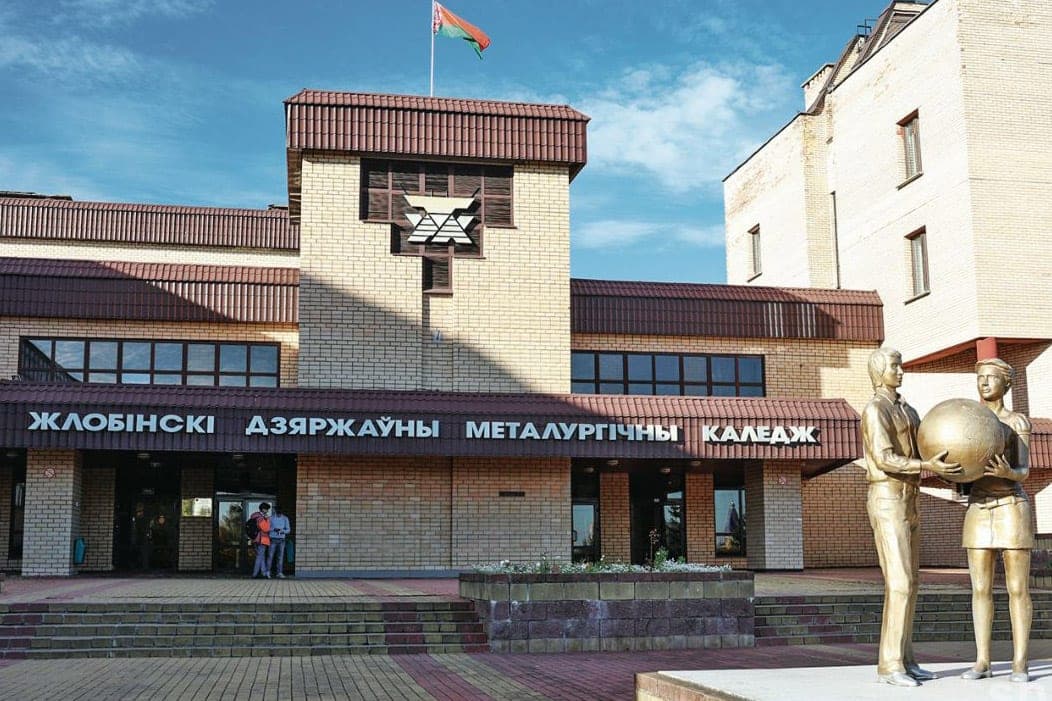
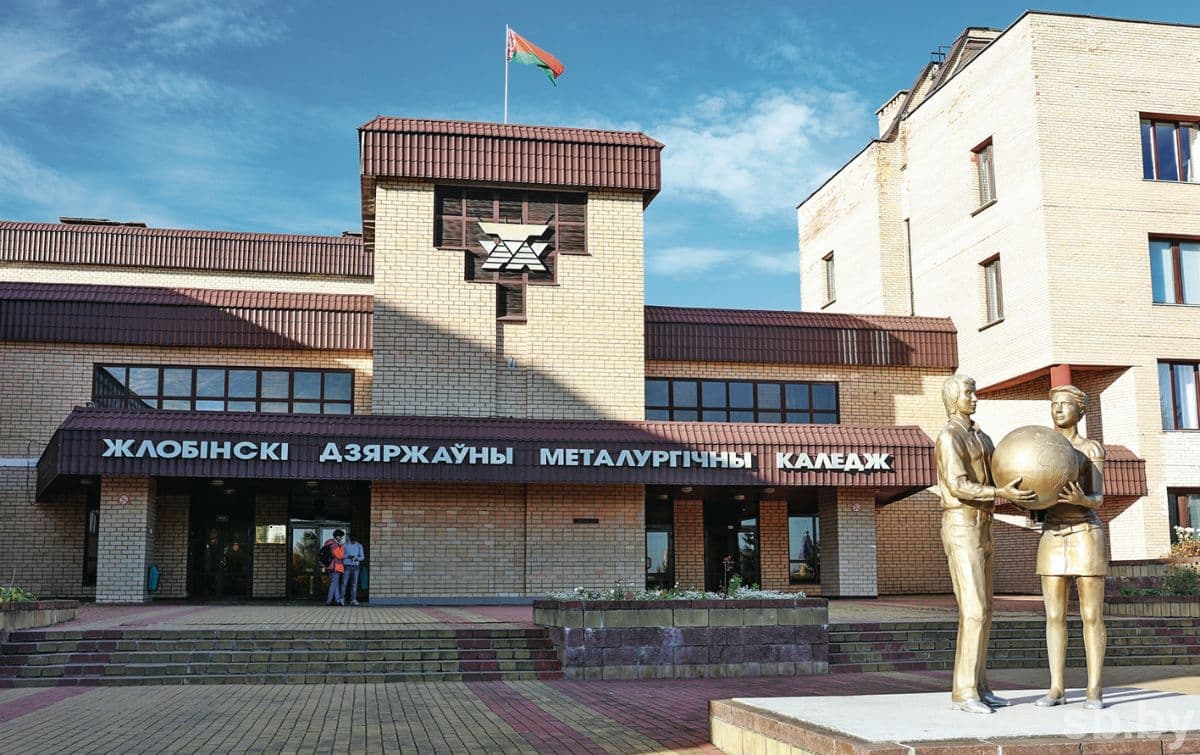
The Belarusian Metallurgical Plant has its own metallurgical school, the Metallurgical College. Students here are mainly Zhlobin residents, who after graduation remain to work at the city-forming enterprise.
Third-year student Ivan Kozhemyakin entered the metallurgical college with an average score of 8.1. Now he masters the specialty “technical operation of technological equipment and robotics in automated production” and is preparing to become an electronics technician. Since childhood, he liked to disassemble the technique and find out why a particular part fails.
- After 9th grade I had a good score, so I decided to choose a more prestigious specialty. In addition, it suited my interests, says Ivan.
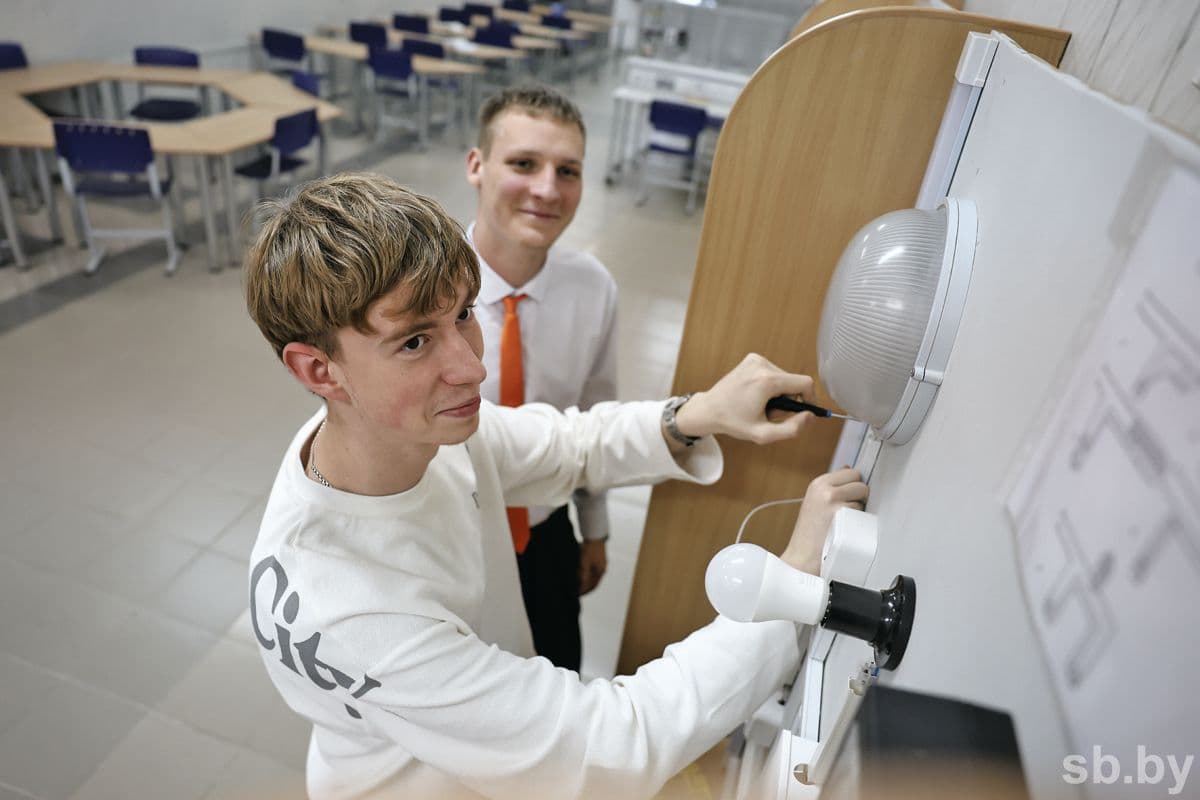
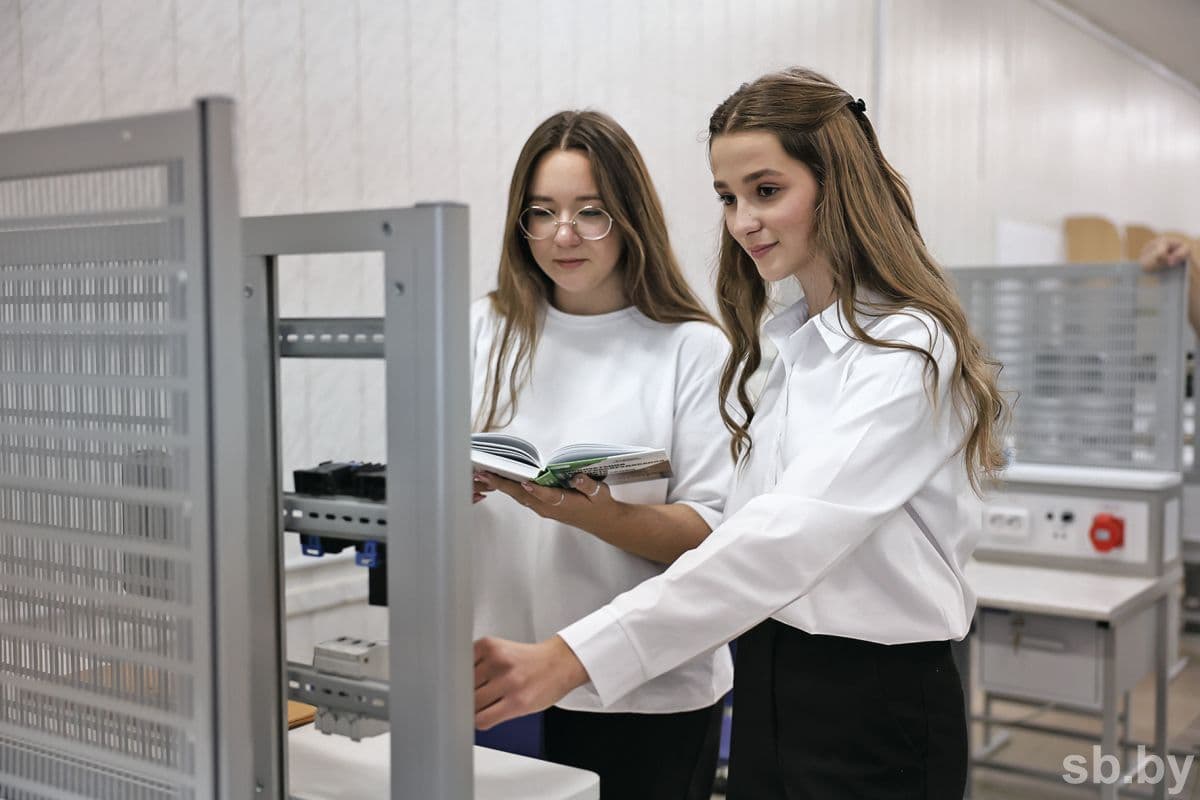
In practical classes, future electronics technicians learn to work with equipment and electrical circuits. For example, during electrical practice, the guys collect wiring layouts, connect switches, sockets and lamps.
- Such skills are useful in life. By the way, recently we had a major renovation of the apartment and we completely replaced all the wiring on our own. This is a significant expense if you hire a specialist. I managed, everything worked out, the young man shares.
The specialty that Ivan masters is quite rare: only three colleges train such specialists in Belarus. All because the bet is made on the development of quite rare equipment working at metallurgical enterprises.
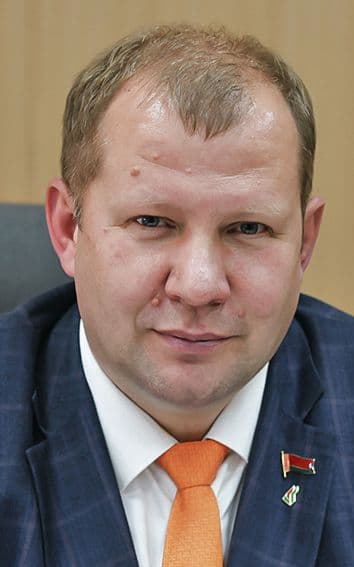
Vyacheslav Lipatkin. “The competition here is high, we recruit only 25 people,” explains the director of the college Vyacheslav Lipatkin. Graduates at the plant customize equipment, work with robotic systems, write programs for machines. Production is being modernized, new installations appear, including laser sharp.
And so that after graduation, young specialists can work with the most modern equipment, the college develops cooperation with Russian colleagues. Two years ago, undergraduates traveled to the Nizhny Novgorod region to the Vyksunsky Metallurgical College and to the local plant. New equipment has already been introduced there, similar to which appears at Belarusian metallurgical enterprises.
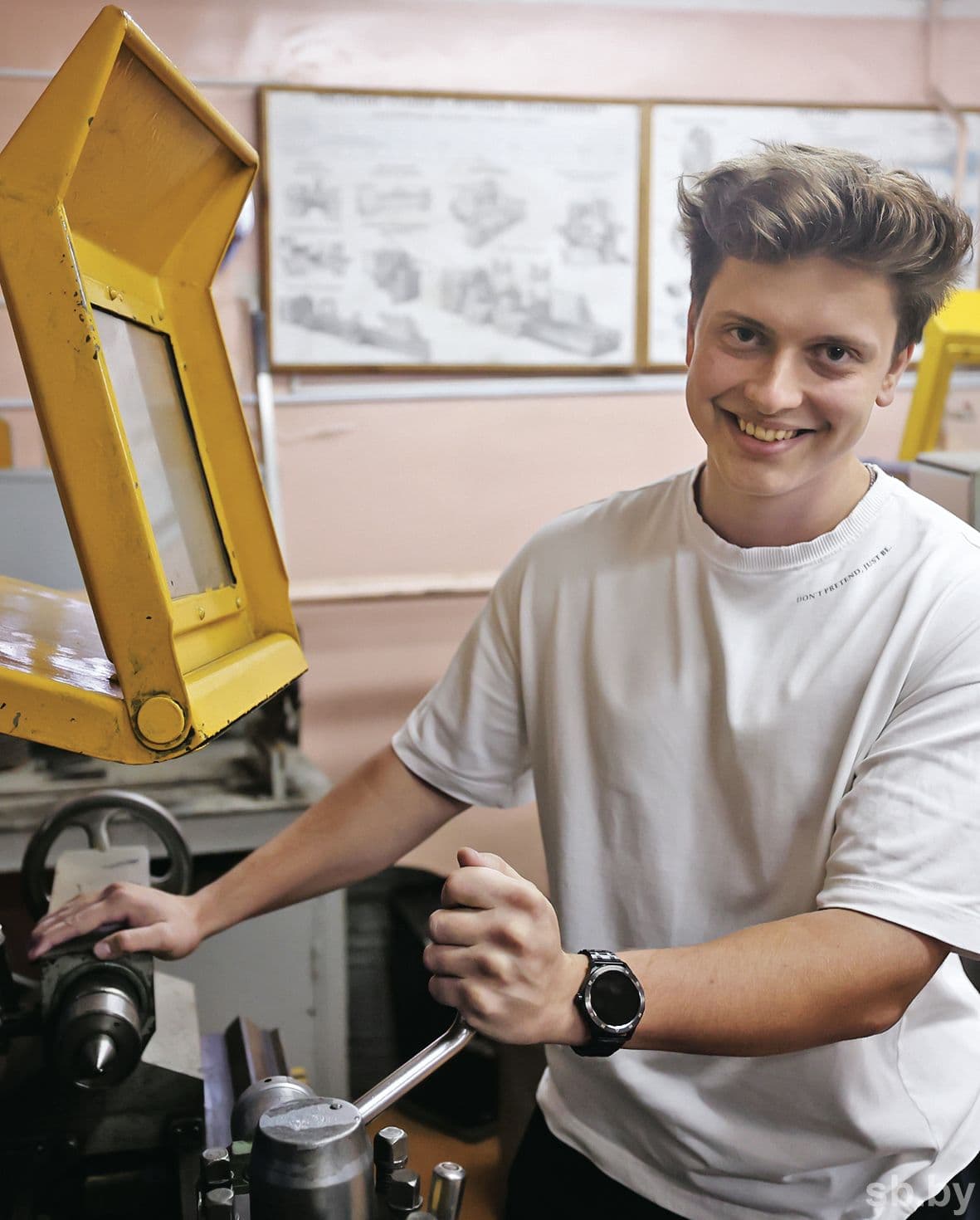
Future technologist Artem Yatsuk in the lathe shop. The largest number of students is recruited to the specialty “production and processing of metals” (106 freshmen this year). About 60-70% of graduates are employed at BMZ, the rest find work at the Minsk Tractor and Minsk Automobile Plants.
Next spring he graduates from Timothy Rimoshevsky College. He plans to go to work in the heart of the plant - an electric steelmaking shop, where he practiced in the third year. By the way, with metallurgy, the guy planned to connect his life since childhood, so to speak, to follow in the footsteps of his father. For the sake of his dream, he came to study in Zhlobin from Osipovichi, although he knew that there was no dormitory at the college.
- Dad had a business in ligatures. Later, he delved into the scientific field, and now heads the Research and Design and Technology Institute of Foundry. So I decided on my future profession a long time ago, says Timothy. I see the target, I see no obstacles. It's about the lack of housing. But even he managed to solve: the leadership of the college helped me, I live in the dormitory of BMZ.
In practice, Timothy worked as an assistant steelmaker on the first furnace. His duties included preparation of the work site, temperature measurements and metal sampling.
- The practice lasted four months. Gradually I began to trust more tasks, and then assigned the fifth rank. In the summer, I decided to return to the plant as part of the student squad and continue working in the same electric steelmaking shop. And I'll go there for distribution. For practical training of students meet masters of industrial training, who previously worked at BMZ. They conduct locksmithing, mechanical, mechanical and electrical practices. Among them is Andrei Schwab.
- The guys master different methods of metal processing, learn to fasten the workpieces, use vise and special devices, says the master. Depending on the task, they work on lathe equipment, make holes and threads or process shaped surfaces.
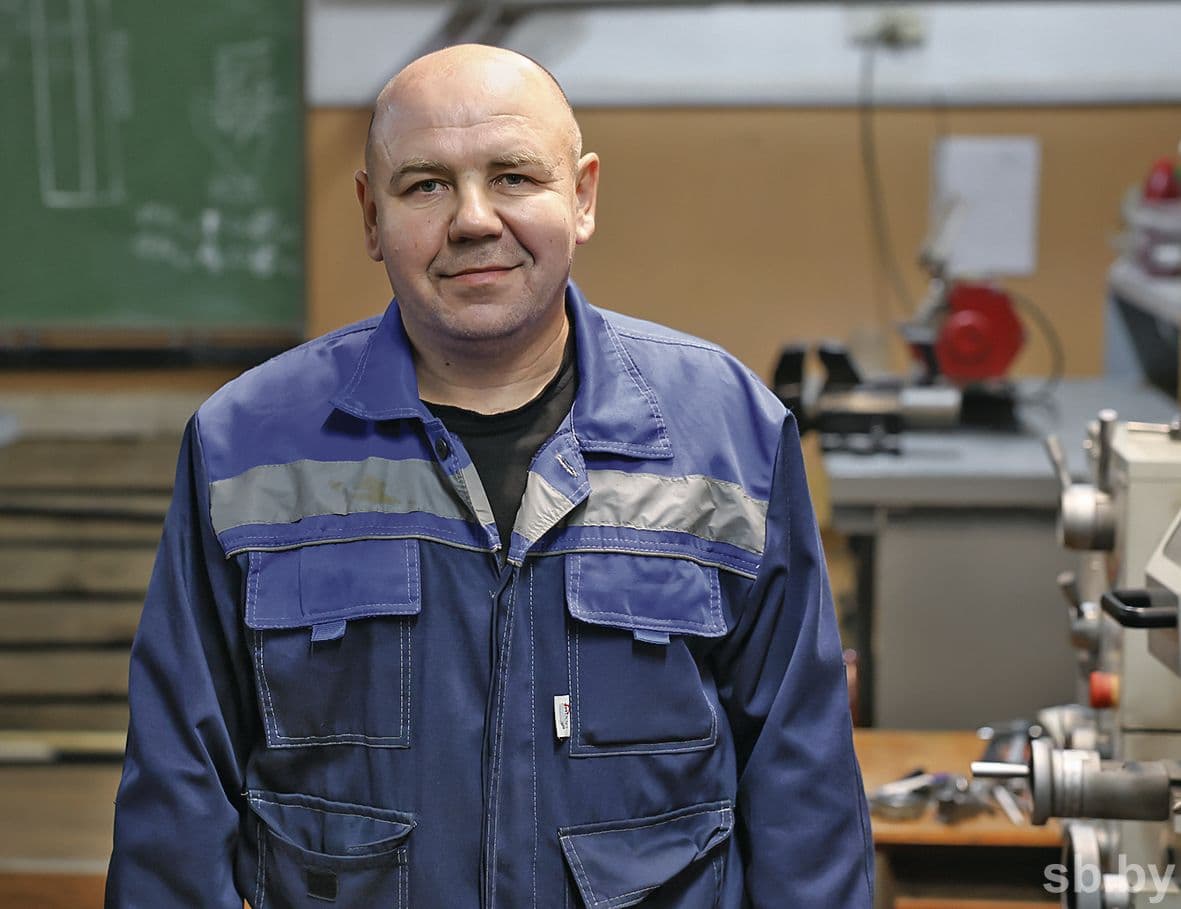
In the preparation of future metallurgists, special attention is paid to the universality of working skills. Four years ago, the approach to training was revised here: earlier students mastered narrow areas - steelmaking, rolling or metallurgical production. Now graduates can work in different areas.
- Manufacturing needs specialists who can be quickly sent to where they are in demand at the moment. Therefore, we have combined several areas and provided for the possibility of mastering in the fourth year of demanded working professions – from a steel bottling agent to a wire dragger, explains Vyacheslav Lipatkin. And if it is known that in the near future a new site will be opened at the plant or modernization will be carried out, we teach the children tea directly to work there.
THE PATH TO SCIENCE
Students of metallurgical college have the opportunity to go to science. This opportunity is used by the guys who are invited to work by the Minsk Institute of Powder Metallurgy named after academician O.V. Roman. Preliminary candidates are interviewed. Ten college graduates are currently working at the institute.
WOMEN'S CASE
34% of college students are girls. They often enter the specialty “production and processing of metals”. After graduation, they are expected at enterprises as laboratory technicians of spectral and chemical analysis, controllers of the production of ferrous and non-ferrous metals, controllers of machine tools and other specialists. But in the “hot” shops work mainly men.
WHAT ARE THE BALLS FOR?
For electronics, the passing score traditionally exceeds seven. This year, the minimum was 7.1. Mechanical technicians received applicants with an average certificate score of 6.2, and technicians-technologists – from 5.4.
Reliable shift
Yesterday's students repair complex electronics and are in charge of industrial automation
The territory of the Belarusian Metallurgical Plant occupies about 250 hectares, more than 10 thousand people work here. Young people come every year. This summer, more than 80 graduates joined the state. Most of them are traditionally immigrants from the Zhlobinsky Metallurgical College. We saw how recent students are mastering complex production, who helps them become professionals and what opportunities the plant opens for them.
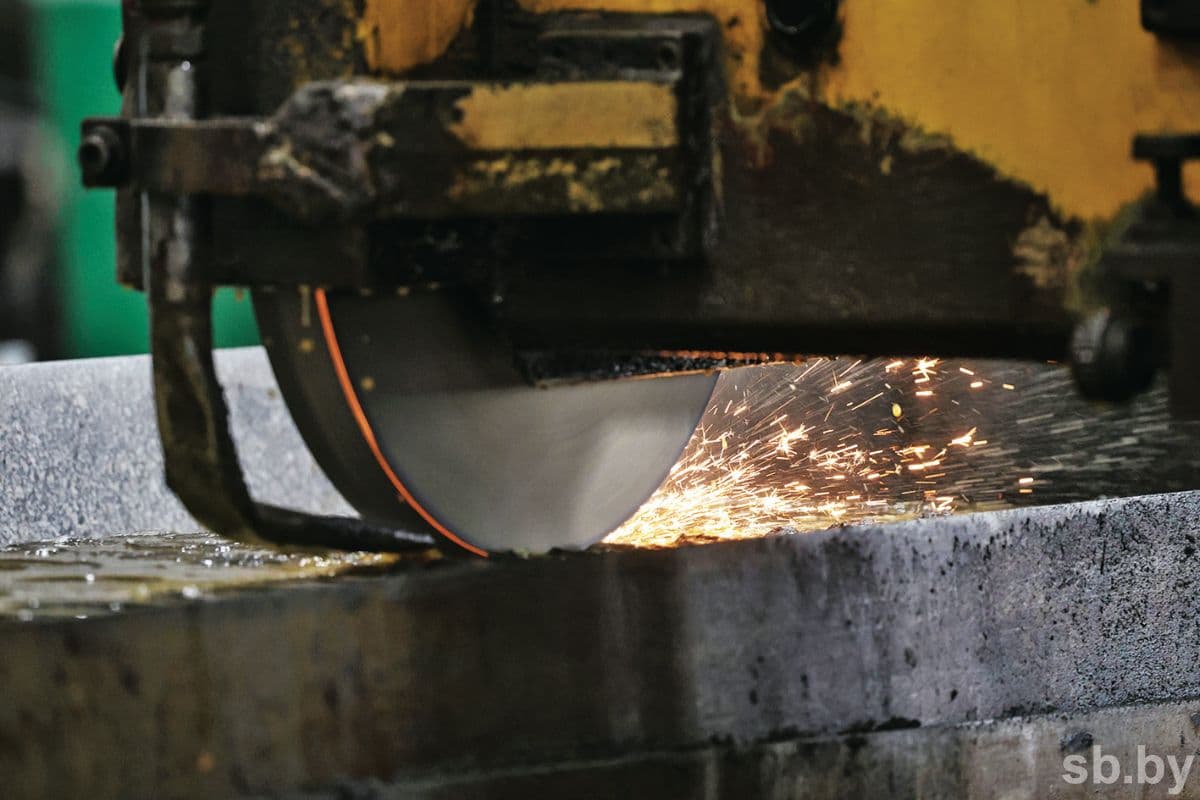
At the weight of gold, 19-year-old Alexei Vodoevich studied electronics and came to BMZ in May of this year. He has already established himself as a capable and responsible employee. The guy works in the repair shop of metallurgical equipment. This unit, in fact, the rear of the BMZ, since local specialists can fix almost any breakdown.
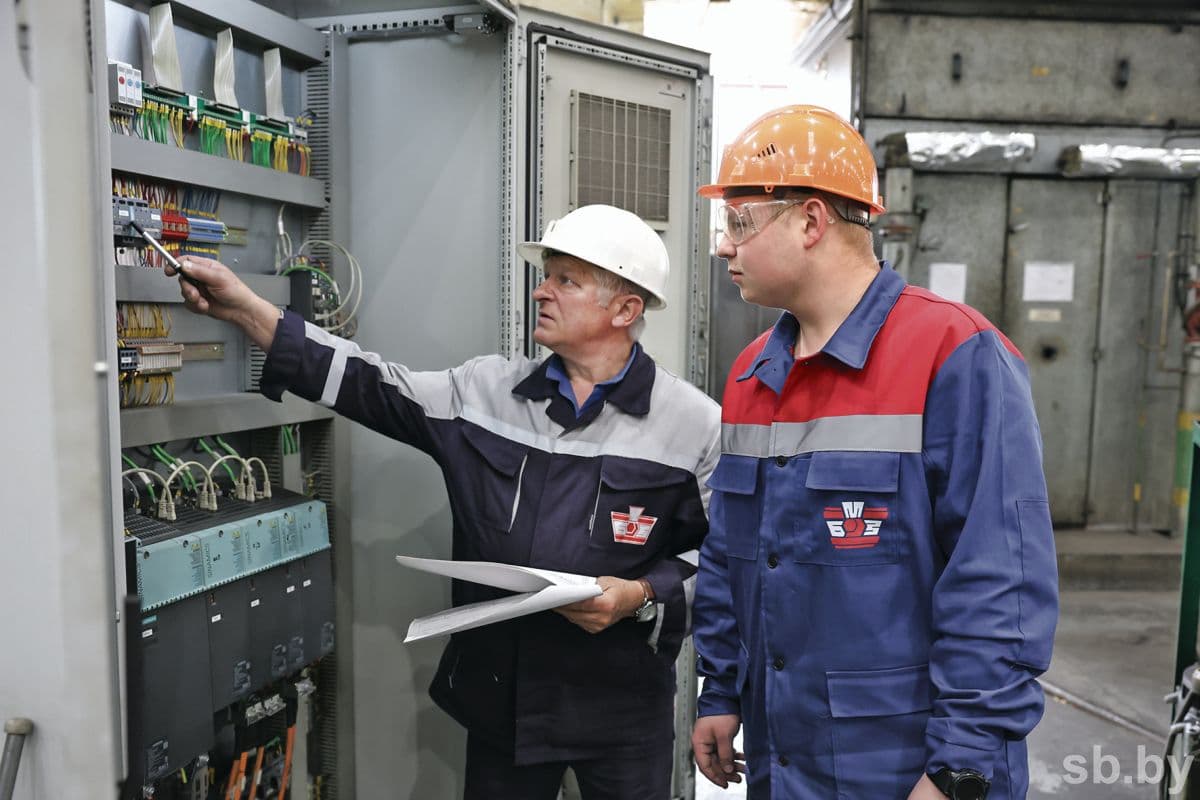
- We repair all the equipment at the plant: mechanical, energy, electrical, — the deputy head of the repair shop of metallurgical equipment Alexander Tormanov lists. A couple of years ago, we started to manufacture spare parts that were previously purchased in Europe.
There are 350 people in the state - millers, turners, tooth cutters, grinders, repairmen, electrical mechanics. The latter are responsible for maintenance, inspection of all CNC machines. If there is a breakdown, it is corrected.
Now in the work of Alexei Vodoevich gas flame cutting, which has failed. Meanwhile, the guy is the only one of the young people in the shop engaged in repair and restoration of chips. Such specialists are worth their weight in gold!
- They call me from other shops and ask Alexei to come to them and help them deal with the chips. Soon he will be taken to the army, and I, as a leader, would very much like such a brainy young man to return to us, says Alexander Tormanov.
- I’ll definitely be back, the guy promises and switches to a conversation with us. I have long been fond of electronics, so I went to study electronics. At the age of six, my parents gave me an electronic designer in which they had to assemble electronic circuits. I was fascinated by this, and I began to study the components — resistors, transistors, various chips, learn to perform complex repairs. And then came to the plant and got to his mentor Nikolai Nikolayevich Voistratenko, who also works with chips.
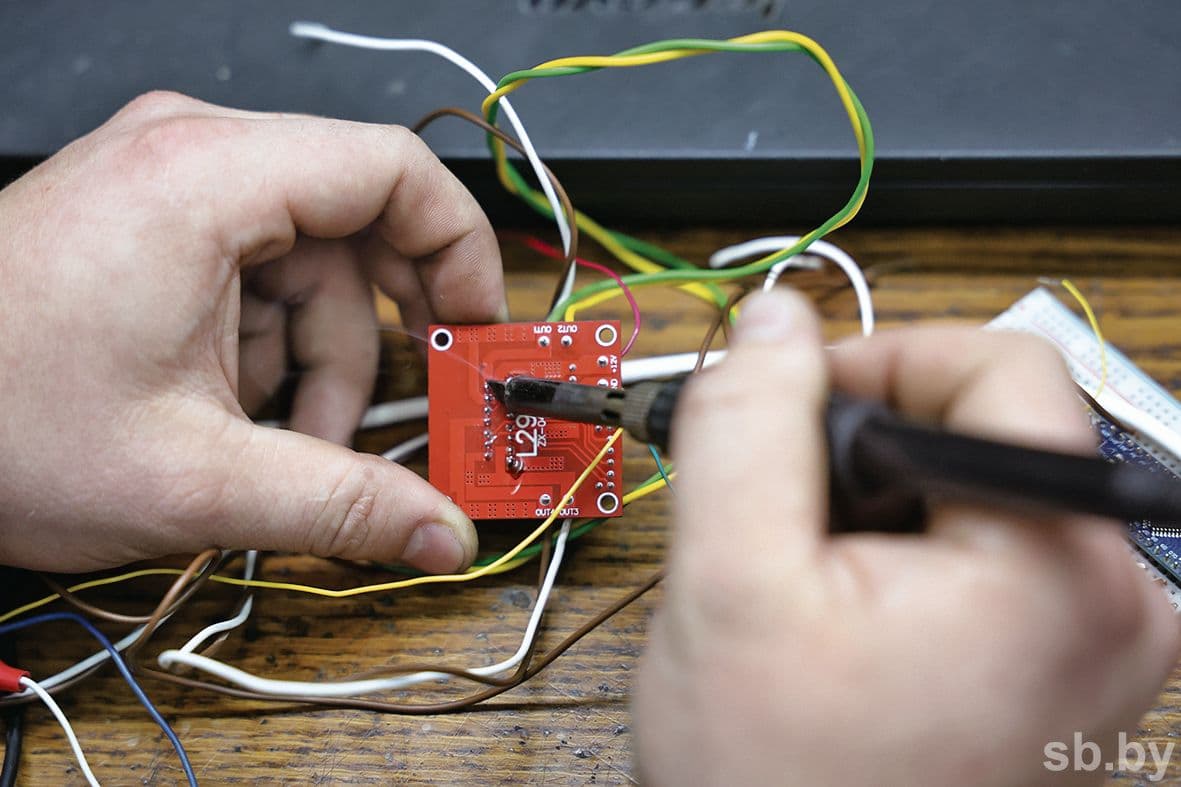
- My family and I lived in Narovla, I worked at a hydraulic equipment factory. And when Chernobyl happened, my wife and three-year-old son moved to Zhlobin. He settled at the BMZ, started in the first rolling shop, in the 1990s moved to the laboratory of technological automation and went to Italy to learn how to work with robotic equipment, which was purchased for a steel wire shop. Later he headed the group for the repair of electronic equipment, worked as the head of the programming bureau in the pipe rolling shop.
Now Nikolai Nikolayevich is retired, but he is in no hurry to leave his job. He repairs frequency-drive devices - complex electronics, without which the work of modern equipment is not complete. In addition, he transfers his knowledge and skills to the younger generation.
- I call my work God’s providence: revive dead technology, smiles the specialist. - Teach it to young people. I want to say that graduates of our metallurgical college come smart, but they would have more practice. A lot depends on the person himself. If there is interest, he will be meticulous: he will understand himself, ask questions, be interested in details. And when a person masters work and understands it, he performs with pleasure. Automation under control Moving on to the rolling shop No. 2, the youngest division of the plant. Here produce rods, rebars and varietal rolled in riots and bars. A significant part of the products is exported. For the uninterrupted operation of the equipment, specialists of the automation section are responsible. Among them is 21-year-old electrician Timofey Kontsevenko.
- For the first time at BMZ I came in the third year to practice and immediately got into my current workshop. After graduation, he received a working profession - an electrician of the 4th category. Later that summer, he returned as a student. In the fourth year, he received another working profession - electromechanics, the guy tells about his path. And before the distribution came to the plant with his detachment, was already in the role of commander. I didn’t even think about which shop to go to work in, because all this time I was returning to the second rental shop. Here literally six months was able to raise the category to the fifth, respectively, slightly increased the salary.
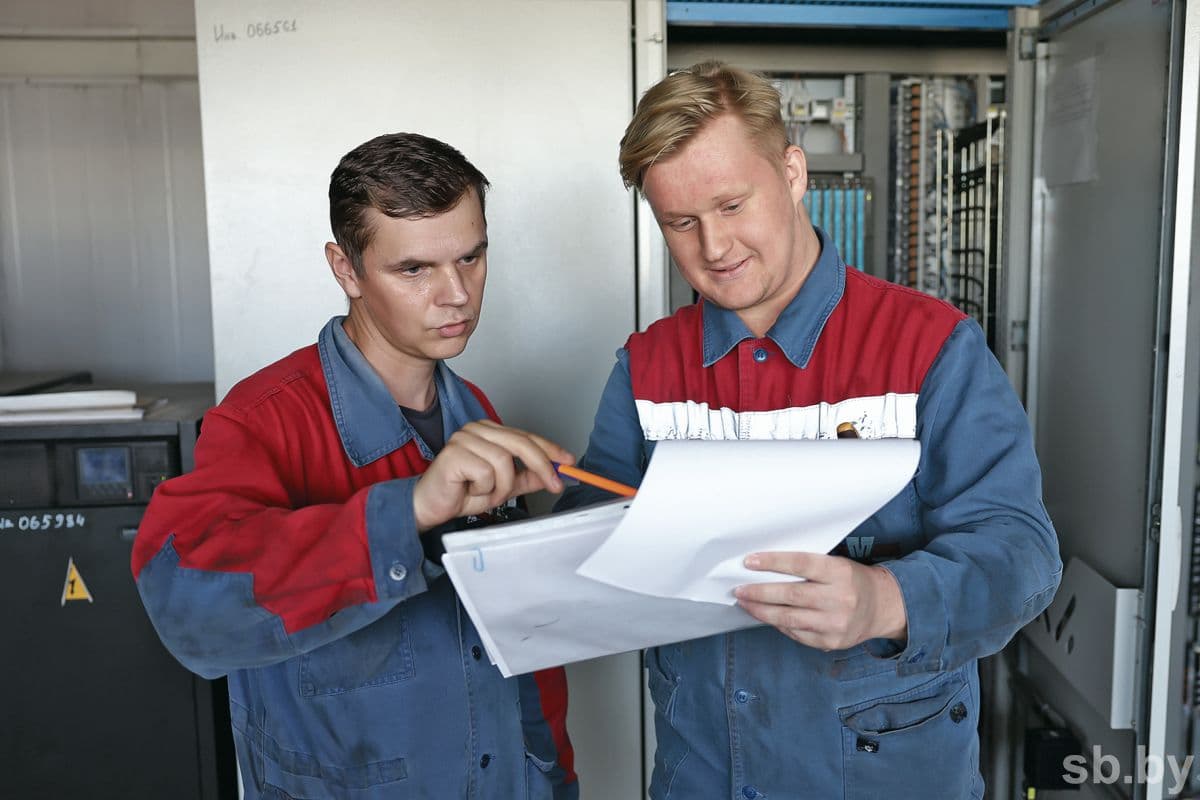
Master of automation Vitaly Belov noticed Timothy during the first practice. According to him, the training of young workers takes time: the equipment is complex and it is impossible to master everything on the student bench.
The operation of the automation section covers almost all processes - from the movement of the rolled car to the functioning of sensors and control systems. Given that we are responsible for the most modern workshop in the factory, the responsibility we have is enormous. When young people come to practice, start with the basics. The equipment is many, it is different, and no college can teach children to work with all the range that we have. After joining the company, they continue to study. And this is not a year, not two or even three, concludes Vitaly Belov.
YOUTH BONUSES
Opportunities for professional and career growth are provided by the Youth program and the collective agreement. It establishes measures to support young professionals and workers, including those who returned from military service.
The company organizes the Day of the Young Specialist, the youth tourist festival of culture and sports "Svarog", the year-round Spartakiad and intellectual tournaments.
There are also material incentives. According to the results of the first year of internship among young workers, the best young specialist is selected annually. The winner can be offered an extraordinary increase in the category or qualification category, as well as a monetary award. In addition, the BMZ awards a youth prize: they celebrate the best representatives of production, science and culture.
IMPORTANT
The company has seven hostels: one for single workers and six for family.
BMZ develops a housing program for its people, focusing on rental housing.
At the plant, pregnant employees are released from work at an early stage with the preservation of average earnings until maternity leave is granted.
MY HOCKEY
Hockey movement at BMZ develops 23-year-old Arthur Falovsky. During the day he is a mechanical engineer of the repair and technical diagnostics department, and in the evening he is the captain of the amateur team of the Belstal plant.
- I’ve been playing hockey since I was 6. So, at the moment, the game experience has been 17 years. He played in the top league of Belarus as a defender, in the teams Metallurg-2, Junior, Minsk Zubry. When he graduated from BNTU, he came for distribution to a small homeland. At that time, the amateur team at the plant was, but not so actively played. And I decided to fix it. Now we have four players who played hockey professionally and 20 amateurs. Quite often we go to friendly games with the same hockey teams from other enterprises. When we play in the home arena, the factory workers come to support us.
yankovich@sb.by