
Hiding in tap water “destructive” amoeba led to irreversible loss of vision
Health officials in the US state of Louisiana issued an urgent warning to residents after a microscopically tiny microorganism commonly found in tap water was linked to five cases of permanent blindness and one fatality
“Although these infections are rare, they can have devastating consequences,” state epidemiologist Teresa Sokol said in a news release.
Since 2024, authorities have identified 10 cases of acantameba-related disease across the state, the New York Post reports.
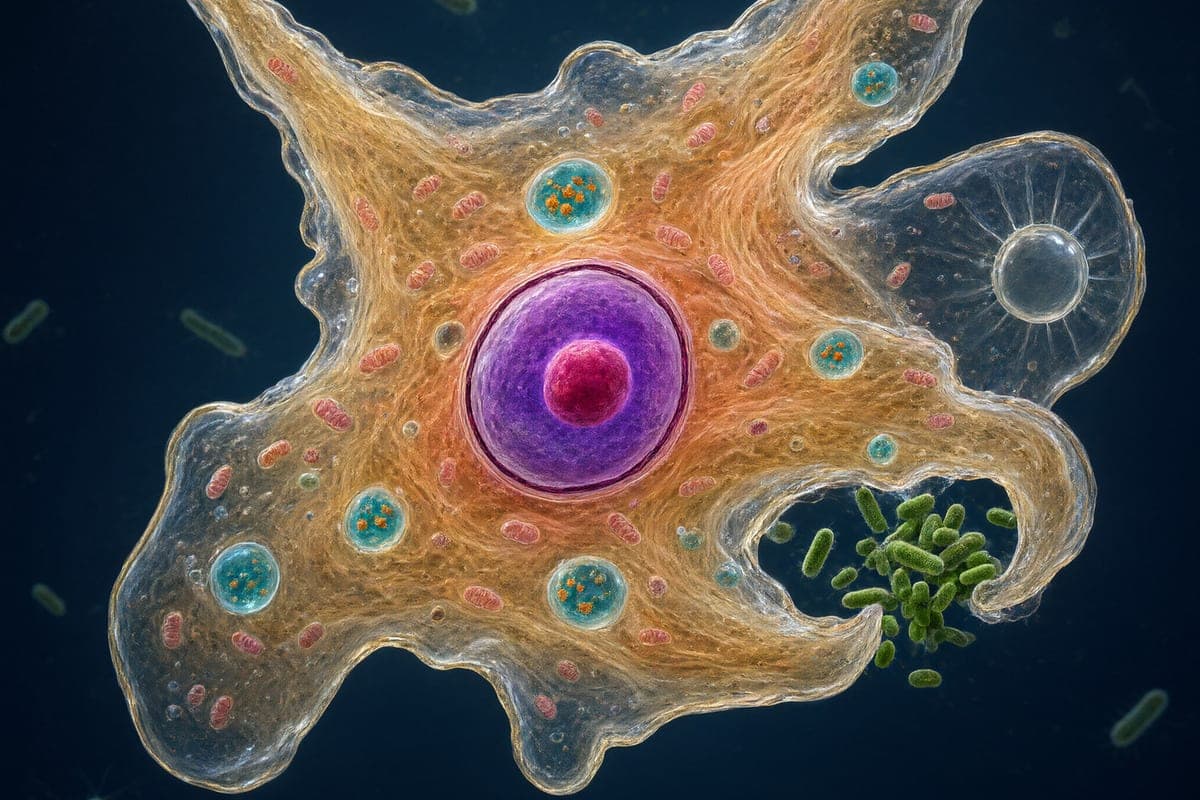
Microscopic amoeba is commonly found in soil, dust, and water, including what flows from the sink in the bathroom.
According to the U.S. Centers for Disease Control and Prevention, while most people experience a microscopic infection at some point without even getting sick, the infection can have devastating consequences for those who encounter it.
Amoeba can enter the body through cuts or open wounds, by inhalation into the nose or lungs, or through the eyes, especially when contact lenses come into contact with contaminated water. Where this microorganism manifests depends on how dangerous it can be, with consequences ranging from painful vision problems to potentially fatal brain diseases.
One of the most common diseases caused by it is acanthamebic keratitis, which affects the cornea - the transparent outer layer of the eye. This disease can affect even healthy people and lead to irreversible loss of vision, writes the New York Post.
Of the 10 cases reported in Louisiana in the past two years, eight were linked to this type of eye infection. Seven of the patients wore contact lenses and five were permanently blind.
Two other patients from Louisiana developed particularly severe forms of the disease, one of whom had nasal sinuses and the other brain. The latter eventually led to death.
Both patients had weakened immune systems and reported using tap water to wash their noses, which are designed to wash their sinuses.
State health officials said while reports of tap water use do not indicate it is a source of these infections, it underscores the importance of using safe drinking water.
“Using the right water to wash your nose, maintaining contact lens hygiene and taking precautions when handling medical devices can help reduce the risk of infection,” says Sokol.
Drinking tap water is not considered a risk factor for acantamoeba, the New York Post said.
The Cleveland Clinic estimates that about 1,500 cases of acanthamebic keratitis are diagnosed in the United States each year. Symptoms include pain in the eyes, redness, vision impairment, sensitivity to light, heavy tearing, and an unpleasant sensation that something is stuck in the eye. Doctors usually treat this condition with antiseptic eye drops such as chlorhexidine and polyhexanide, which act on the amoeba and help relieve pain and other symptoms.
But drugs don't always work. In about 40% of cases, treatment with eye drops alone does not give the desired effect, and surgery may be necessary.
The chances of a good outcome are much higher if treatment is started before the disease has spread beyond the second layer of the cornea, usually within three weeks of the first symptoms appearing.
Cases of acantamoeba affecting other parts of the body are much rarer, but can be much more dangerous, the New York Post notes. Between 1955 and 2025, the CDC recorded 208 such cases in the U.S., including 14 in New York City. Across the country, this number usually ranges from zero to 12 cases per year. People with weakened immune systems are particularly vulnerable to these more serious forms of the disease, which can affect the skin, sinuses and brain. To make matters worse, symptoms are not always easy to recognize, and many patients are initially misdiagnosed.
Health officials strongly recommend that all people with weakened immune systems who develop seizures, confusion, headaches, weakness, fever, sinus problems, vision changes or unusual skin symptoms seek immediate medical attention. With early detection of cases of skin lesions and sinuses, it is often possible to cure. But the longer the amoeba spreads to other parts of the body, the harder it is to fight it. Perhaps the worst complication is granulomatous amoebic encephalitis, a rare disease in which amoeba affects the brain. This disease is almost always fatal, concludes the New York Post.


