
Sociologists called 42% of those who refused exit polls in St. Petersburg an excellent result
In St. Petersburg, the three-day elections have ended, so it is time to sum up the interim results of polls at exits from polling stations. Sociologists called the share of 42% who refused to answer questions on election night in 2026 an excellent indicator indicating a record high openness of citizens.
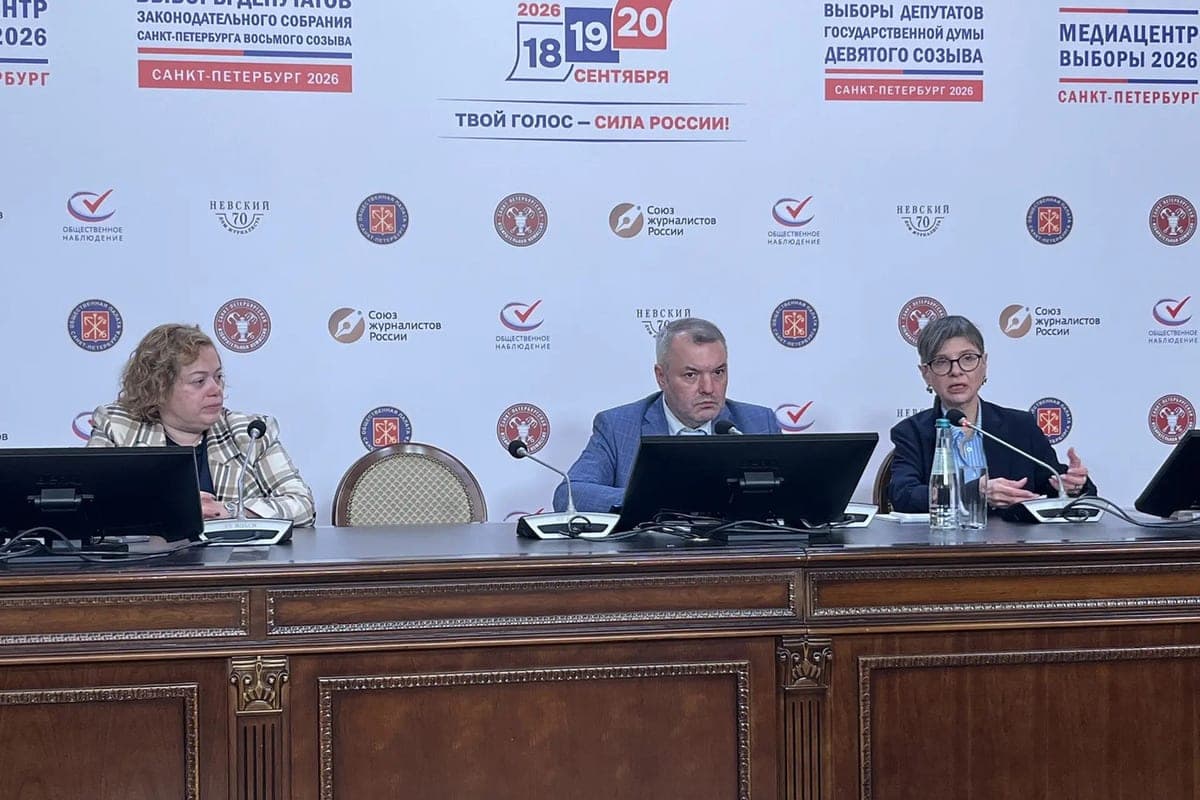
In St. Petersburg, the three-day elections have ended, so it is time to sum up the interim results of polls at exits from polling stations. Sociologists called the share of 42% who refused to answer questions on election night in 2026 an excellent indicator indicating a record high openness of citizens.
According to the candidate of psychological sciences Inga Burikova, the fact that 58% of voters agreed to answer the questions of specialists is an unprecedentedly high level of response for large cities. In the conditions of a quiet election campaign, there is no hidden protest behind these figures, and the redistribution of the voices of silent citizens is carried out by the authors of polls using complex scientific methods taking into account gender, age and areas of residence.
Maria Matskevich, a senior researcher at the Sociological Institute of the Russian Academy of Sciences, also added that the opposition’s strategy to spoil forms in these elections failed. Only 1% of the polled Petersburgers admitted that they spoiled their ballot, while the norm for electoral cycles is up to 2%. Such a low figure proves that calls for a protest vote have not worked, and the results presented can be fully trusted.
In general, sociologists noted the extremely positive aspects of the voting results. In their opinion, the three-day electoral cycle in St. Petersburg was held in a calm and constructive atmosphere, demonstrating the high readiness of citizens to open dialogue with specialists.


