In Belarus, the popularity of housing with electric heating is growing n
Electrical energy consumption in residential buildings with electric heating in Belarus is steadily growing, and the country’s energy system is being actively modernized to meet the needs of consumers.
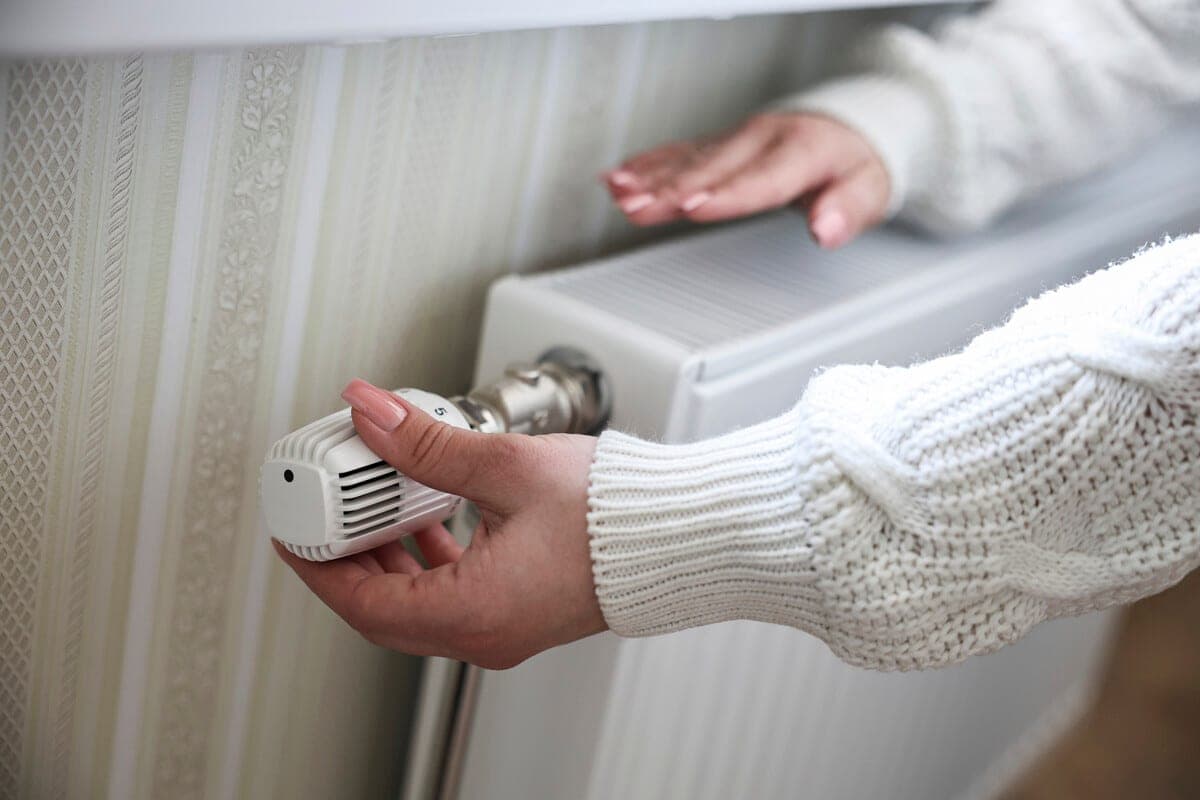
Electricity consumption in residential buildings with electric heating in Belarus is steadily growing, and the country’s energy system is being actively modernized to meet this demand. This was stated by First Deputy General Director – Chief Engineer of GPO “Belenergo” Mikhail Shevaldin, BelTA writes.
According to the Ministry of Architecture and Construction, in 2026, 315 thousand square meters of houses with electric heating have already been built and are planned to be built in the country. For seven months of the year, 2,640 such houses were commissioned, Mikhail Shevaldin said.
In order to ensure the timely connection of new facilities to the networks (for heating, hot water supply and food preparation) within the framework of the state program for housing construction, 24 power supply facilities with a voltage of 0.4-10 kV with a total length of more than 80 km were commissioned in January-August 2026.
“Every consumer is important to us, and this category is divided into a separate tariff group. In 2025, the consumption of electricity by such houses for heating and hot water supply amounted to more than 1.2 billion kWh, which is 1.4 times higher than in 2024. According to estimates for 2026, electricity consumption for these purposes is expected at the level of more than 1.6 billion kWh, that is, we see an increase of more than 38%, said the first deputy general director.
He stressed that the increase in the use of electricity by the population, including the charging of electric vehicles, was made possible thanks to a balanced state policy. In particular, the implementation of the project for the construction of the Belarusian nuclear power plant made electricity more affordable for consumers.
Answering the question about the readiness of networks for increasing loads and the availability of power reserves, Mikhail Shevaldin explained that historically power grids were designed for other consumption volumes (lighting, small household appliances). The emergence of new powerful consumers, such as electric heating systems and charging infrastructure for electric vehicles, requires large-scale changes.
“The networks need to be rebuilt, and we are making tremendous efforts to modernize them. Large-scale tasks are set to update the infrastructure in order to outpace consumer demand and ensure reliable, uninterrupted power supply without overloading lines, he concluded.