
Belarus develops Concept of prevention of overweight and obesity in children
The round table “Dialogue on the Prevention of Childhood Obesity – 2026” was held at the Research Institute of Hygiene, Toxicology, Epidemiology, ...

The round table “Dialogue on the prevention of childhood obesity – 2026” was held at the Research Institute of Hygiene, Toxicology, Epidemiology, Virology and Microbiology of the Republican Center for Hygiene, Epidemiology and Public Health on September 10, the correspondent of the Minsk-Novosti agency reports.
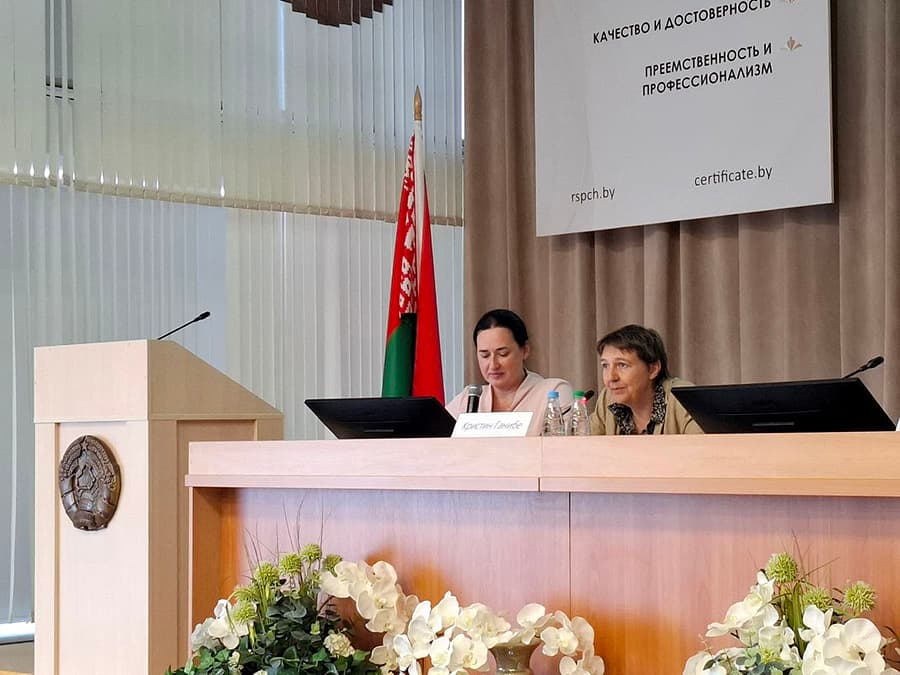
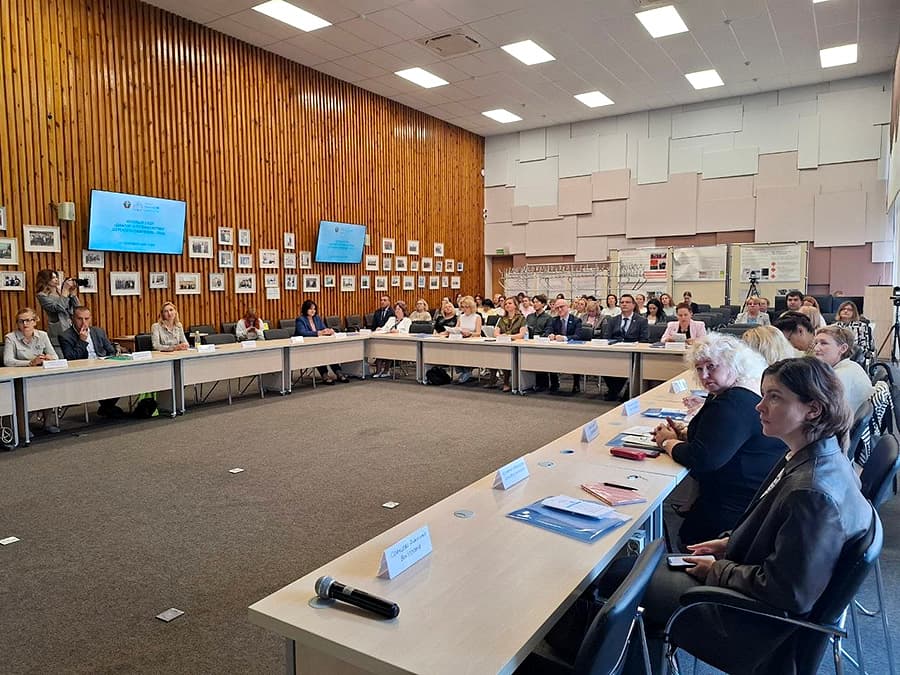
Experts in the field of hygiene, pediatrics, endocrinology, dietetics, representatives of the Ministry of Health, UNICEF, the World Health Organization, the National Academy of Sciences, relevant ministries and departments, as well as specialists in the fields of education, sociology and the food industry discussed international recommendations for the prevention of overweight and obesity in the younger generation, factors influencing the appearance of the disease. They also touched upon the issues of breastfeeding, the development of specialized products, the integration of the topic of healthy nutrition into educational programs.
- According to global data, for the current period, the number of children with obesity exceeded the number of minors with a deficit of body weight. Every tenth child in the world is diagnosed with obesity, said Svetlana Nechai, Deputy Minister of Health and Chief State Sanitary Doctor of Belarus.
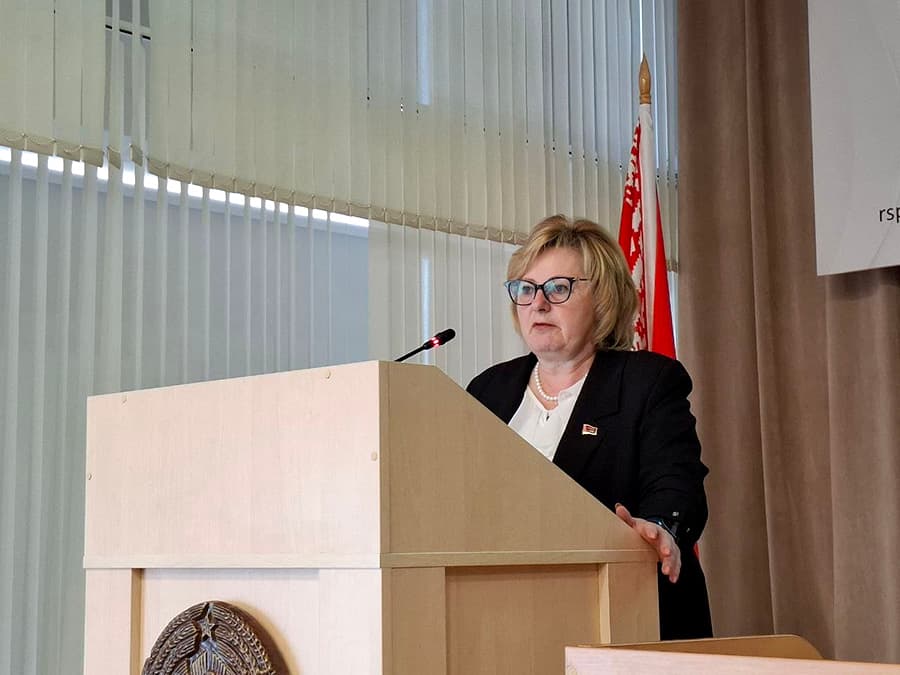
In Belarus, urban and rural children overweight is observed in 8-18% aged 6 to 17 years, obesity in 4.5-9.63%. This is a significant risk factor for chronic diseases in adulthood. In Belarus, a lot has been done to prevent childhood obesity. Scientists have developed a food system in educational institutions: the norms of physiological needs have been approved, diets in schools and kindergartens are balanced, the amount of salt, sugar, fats in dishes has been reduced. Due to this, over the past 15 years, there has been a decrease in 1.7 times the total and 1.4 times the primary incidence of digestive diseases in the younger generation.
The joint research of the Research Institute of Hygiene, Toxicology, Epidemiology, Virology and Microbiology, RSPC “Mother and Child” and BSMU with the participation of UNICEF formed the basis for the draft Concept for the Prevention of Overweight and Obesity in Children, which will be presented for wide discussion.
- The Ministry of Health plays a leading role in this work as the main coordinator. We develop medical standards and prevention methodology. However, success is not possible without the participation of representatives of education, agriculture, trade, information, sports and tourism, academic science, manufacturers and local authorities. I would especially like to note the role of international partners, primarily UNICEF, who support our country and the Ministry of Health in particular in solving problems aimed at protecting children, preserving and strengthening their health, Nechai said. School meals, health lessons and daily routine, the availability of sports facilities and, of course, the formation of literacy in the prevention of obesity, starting from childhood, family practices are the most important tools that are not inferior in importance to the provision of medical care. I am confident that by joint efforts we will be able to preserve the health of the younger generation and ensure a decent future for the country.
Photo by organizers


