
In Minsk honored the memory of the heroes and victims of the siege of Leningrad
City action of memory and grief "No one is forgotten, nothing is forgotten", dedicated to the 85th anniversary of the beginning of the...
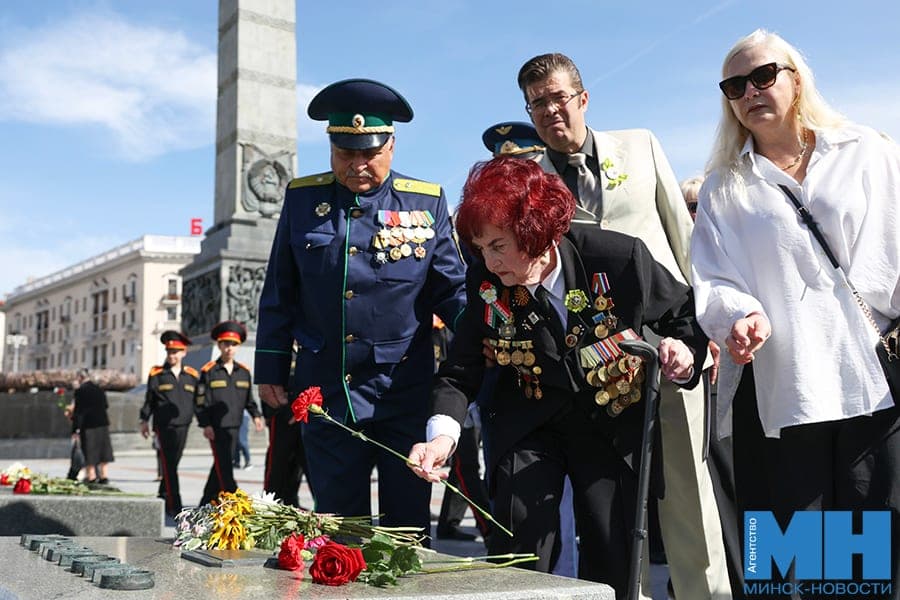
The city action of memory and sorrow “No one is forgotten, nothing is forgotten”, dedicated to the 85th anniversary of the beginning of the siege of Leningrad, started in Minsk on September 8 with the solemn laying of flowers at the Victory monument in memory of the dead residents of the besieged city. Read more in the material of the correspondent of the agency “Minsk-Novosti”.
On September 8, 1941, an enemy ring closed around Leningrad. For hundreds of thousands of residents of the city began 872 days of hunger, cold, bombing and struggle for life. Leningrad was practically cut off from the country - every new day became a test of fortitude and courage.
Participants of the commemorative ceremony – representatives of city authorities, public organizations, veterans, siege workers and youth of Minsk laid flowers at the Victory Monument, paying tribute to the victims and all who survived the blockade.
Eyewitnesses of these events every year remains less and less. Today, there are about 150 blockades in Belarus, 59 of them in Minsk. This was told by the chairman of the Belarusian Union of Siegemen of Leningrad, 96-year-old Maria Yagodnitsyna.
- This year we celebrate 85 years since the ring of the enemy blockade closed. In August, died a man-legend - Eugene Aronich Filer. Every year we become less and less. Therefore, it is especially important to preserve the evidence of the blockaders and pass this memory on to the younger generation, said Maria Davydovna.

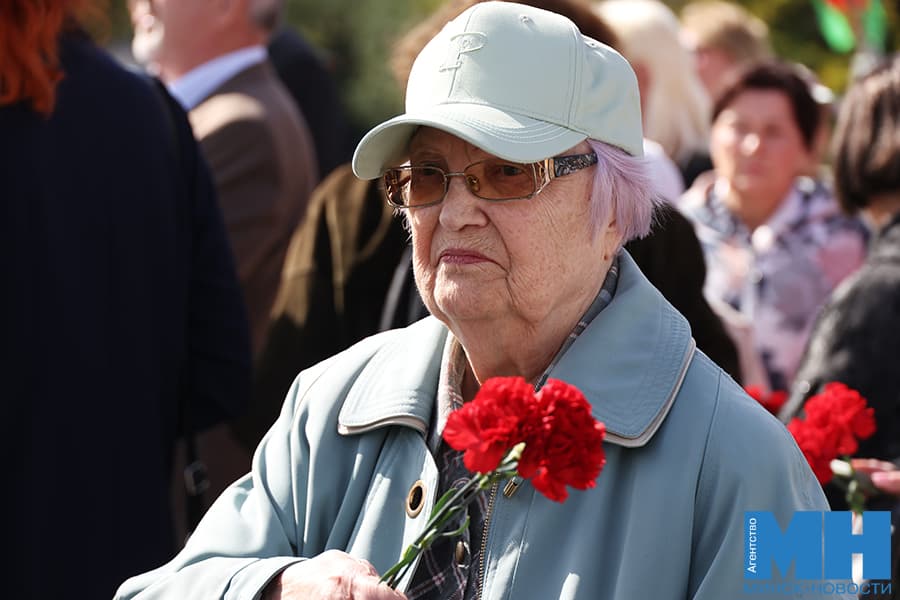


When the Great Patriotic War began, M. Yagodnitsina was 11 years old. Together with other residents of Leningrad, she survived the most difficult days of the siege. One of the biggest challenges was hunger. In the besieged city, bread was not just a product - life depended on a small daily ration.
Bread was issued on cards, and its quantity was very small. On the worst days, workers received 250 grams of bread a day, and employees, dependents and children 125 grams. Bread is eternal reverence, said the blockade.
For the inhabitants of the besieged city, every gram of bread had a special price. An equally important symbol of resilience was the Road of Life. On November 22, 1941, regular traffic began on the ice route through Lake Ladoga. On this road, food, fuel and other necessary goods were delivered to besieged Leningrad, and residents were evacuated to the Big Land.


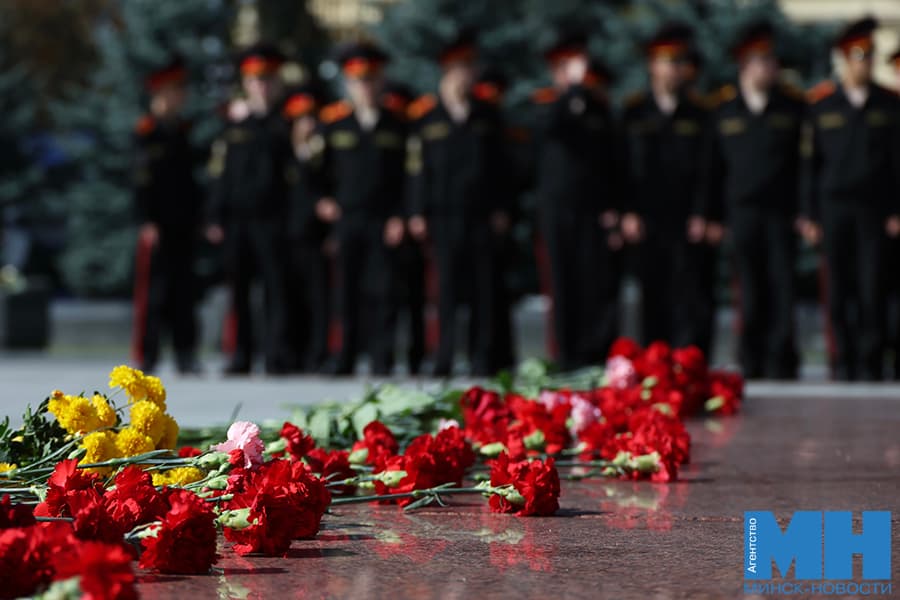

On September 8, 1941, Leningrad was cut off from the main supply routes. For hundreds of thousands of people, the struggle for survival began. The Road of Life has become a real hope for us. On the ice of Lake Ladoga, essentials were delivered to the city, and people were taken out of the besieged city. Under the blockade, the ice route played the role of a vital link between Leningrad and the rest of the country, Yagodnitsina recalled.
On January 18, 1943, Soviet troops broke through the blockade ring. Leningrad was completely liberated on January 27, 1944.
Since 1992, the Belarusian Union of Siegemen of Leningrad has been holding commemorative and patriotic events, meeting with young people, telling about the life of the besieged city and the trials that have fallen to the lot of its inhabitants.
Photo by Elizabeth Davidovskaya


