In Rospotrebnadzor Volgograd told about the situation with monkeypox
The disease continues to spread around the world, and its epicenter is Africa. According to the World Health Organization, from 2022 to September 2026, more than 193 thousand cases were recorded on the planet. In Russia, measures are in place to detect infection in a timely manner.
Monkeypox is a rare but potentially dangerous infection for people with weak immune systems. Its signs: fever, intoxication, enlarged lymph nodes, a rash that goes from spots to ulcers and crusts. With a mild course, the disease lasts from 14 to 21 days.
In 2026 alone, more than 14,000 cases were identified, mainly in the Democratic Republic of the Congo, Uganda and Sierra Leone. In Asia, the disease is registered in Thailand, Hong Kong (PRC) and India, the supervisory authority said.
More than 1,000 cases have been identified in Thailand since June 2026, with Bangkok and neighboring provinces accounting for the bulk. In Europe, over the past 6 weeks, the most cases were in Portugal (66), Germany (24), France (20), the United Kingdom (18) and Ireland (12). Since November 2024, more than 90 cases of clade I virus have been confirmed in at least 23 states and Puerto Rico. In the UK, from January 2023 to September 2026, 1291 diseases were registered with various clades of the virus. Outside Africa, 99% of cases are adults and 97% are men.
The main route of transmission is close physical contact with a symptomatic person.
In Russia, measures are in place to detect infection in a timely manner. Within the framework of the Sanitary Shield project, sanitary and quarantine control is carried out at all checkpoints, including using the Perimeter automated system to analyze the situation in real time. The country has developed Rospotrebnadzor test systems that allow you to quickly detect the virus, including new variants. Infectious institutions are equipped to isolate possible imported cases.
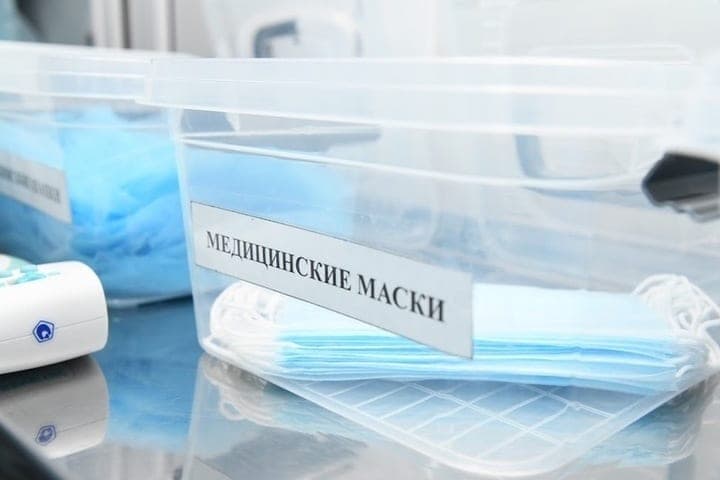
Rospotrebnadzor recommends that Russians when traveling abroad avoid contact with potential carriers of the virus (especially rodents and primates) and strictly observe hygiene. Infection is possible through damaged skin, contaminated objects and biological fluids. In case of malaise after contact with those arriving from disadvantaged countries, you need to wear a mask and wash your hands.