Volgograd explained why milk is dangerous for domestic cats
Since childhood, we are used to seeing in cartoons: a cat, a saucer, milk – the perfect picture. It seems that fluffy is a treat to like. But vets look at the scene very differently. In Roskachestvo substantiated: the matter is not that milk is harmful in itself, but in how the body of an adult cat is arranged.
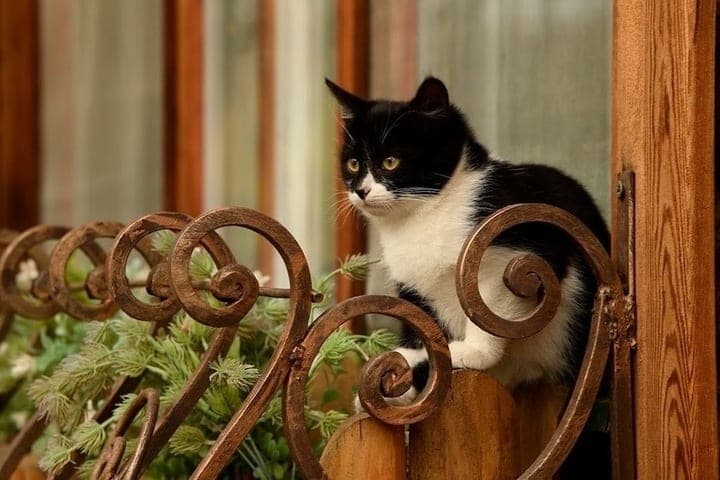
Yulia Ishunina, a veterinary therapist, explained that when a kitten feeds on mother’s milk, its body generously produces lactase, an enzyme that helps break down milk sugar (lactose). But as soon as the baby grows up and stops drinking mother's milk, the level of lactase drops markedly. It turns out that lactose, once in the intestine, is almost not absorbed. That is why in many adult cats, ordinary cow's milk causes digestive disorder.
Is it possible to give milk to a cat? The answer is simple: every cat has its own body, and the reaction is different. If the mustachioed-striped loves milk and feels great after it, sometimes you can treat him with a couple of spoons, but just as a delicacy, not as food. It is important to remember: milk will not replace a balanced diet, but it can provoke a gain of excess weight.
If you decide to give your cat milk, do it carefully. Start with one teaspoon. Then wait 12-16 hours and carefully observe the well-being of the pet. If everything is in order, in the future you can give no more than 1-2 tablespoons at a time.
But kittens should not be given cow's milk in any case. In children, diarrhea develops rapidly, and this quickly leads to dehydration and sometimes ends tragically. If a kitten is left without a mother or lacks her milk, veterinarians advise using only special kitten formulas.
What about goat's milk? It has less lactose than cow, but this is not a guarantee that the cat will tolerate it.
There are good alternatives. In an ordinary supermarket, you can find lactose-free milk - it is suitable for people with lactose intolerance, and for cats it is much safer. And pet stores sell special lactose-free milk for cats, it is made taking into account their needs.
But there is also the fact that it is better not to offer a pet at all. We are talking about vegetable milk - soy, rice and others. Especially dangerous options that contain xylitol: it is added as a sweetener to reduce calorie content. For cats, xylitol is deadly - it can cause a sharp drop in blood sugar and damage the liver. Xylitol is found not only in plant drinks, but also in condensed milk, yogurt, ice cream, chocolate and cheeses. Therefore, if you want to treat your cat with something from “human” products, read the label carefully first.
As a result, a saucer of milk is not a necessary part of cat life. If the cat loves and tolerates it, you can occasionally pamper. If not, there is nothing wrong with her: she has plenty of reasons to enjoy life without milk.