Volgograd residents told how to behave safely when meeting wild animals
Approaching them, ironing or feeding is dangerous - it threatens with injuries and infection with serious diseases
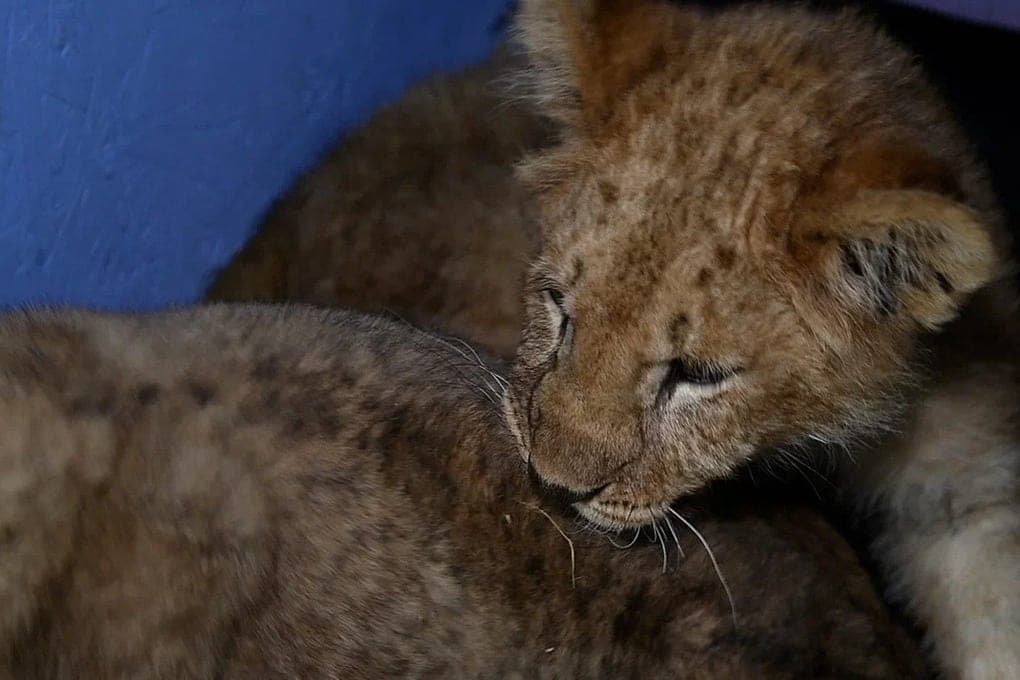
With the onset of cold weather, wild animals often appear next to a person - on the edges of the forest, in villages, in dachas and even in cities. The reason is the impoverishment of the forage base, as well as the fact that animals get used to the presence of people and lose fear. Often, animals are attracted to readily available food, such as waste in unauthorized landfills. Feeding wild animals does not make them more friendly: it only strengthens their association with the food source and increases the risk of aggressive behavior if food is not given again.
Specialists of the Volgograd branch of FGBI "CSOC AIC" emphasize: contact with wild animals is dangerous not only because of the risk of injury, but also because of the threat of infection. Even seemingly harmless animals – for example, squirrels or hedgehogs – can be carriers of rabies, which after the onset of symptoms always leads to death. In addition, wild animals can be infected with leptospirosis (it is transmitted including rodents) or highly pathogenic influenza (source - wild birds). For people at risk, vaccination is considered an effective preventive measure.
If you encounter a wild animal, it is important to follow simple safety rules.
The emergence of wild animals is especially dangerous for farmers and owners of personal farms: animals can bring dangerous infections to farms and farmsteads. Basic veterinary and sanitary measures help to reduce risks: keeping animals in enclosed rooms, regular disinfection, control of the feed base and carrying out preventive measures.
Experts also remind that it is not necessary to organize sites for feeding wild animals near housing or tourist sites - this only increases their craving for settlements and increases the likelihood of conflicts.