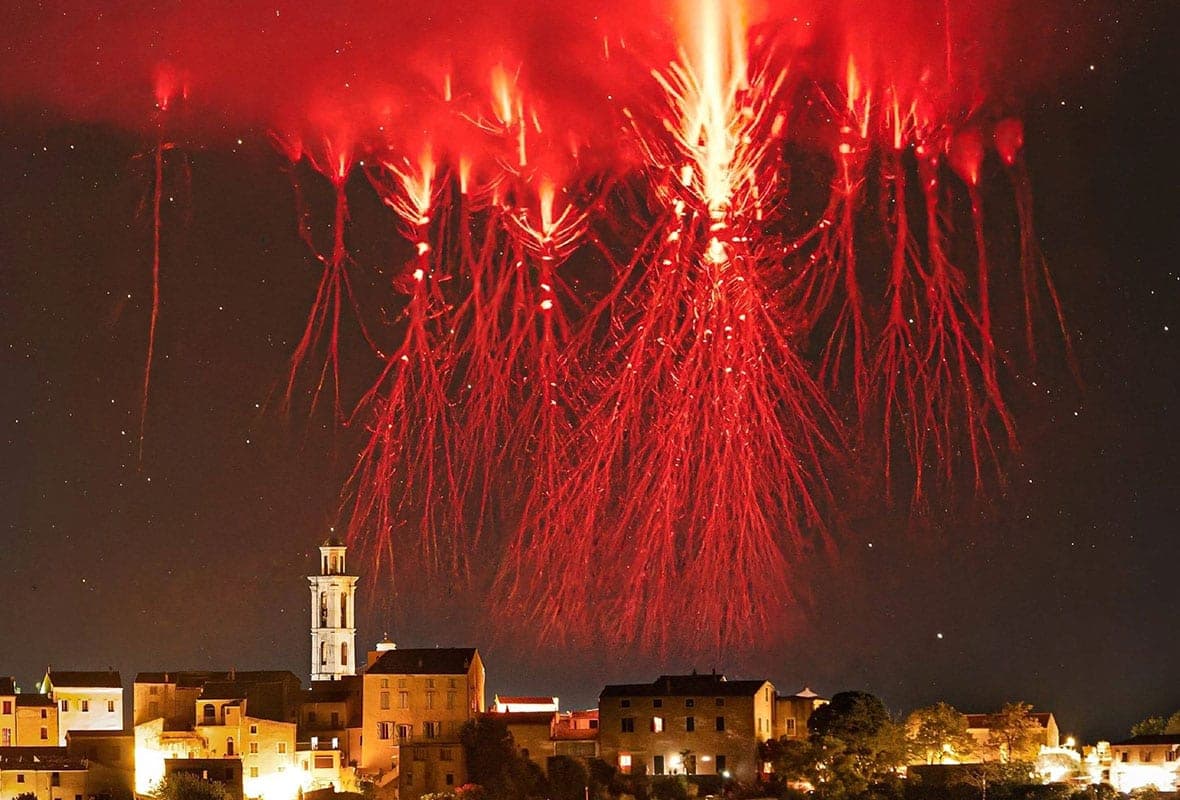
Volgograd residents warned of a magnetic storm on October 20
on october 20, 2026, the geomagnetic situation is expected to be excited - about 4-5 points on the scale.
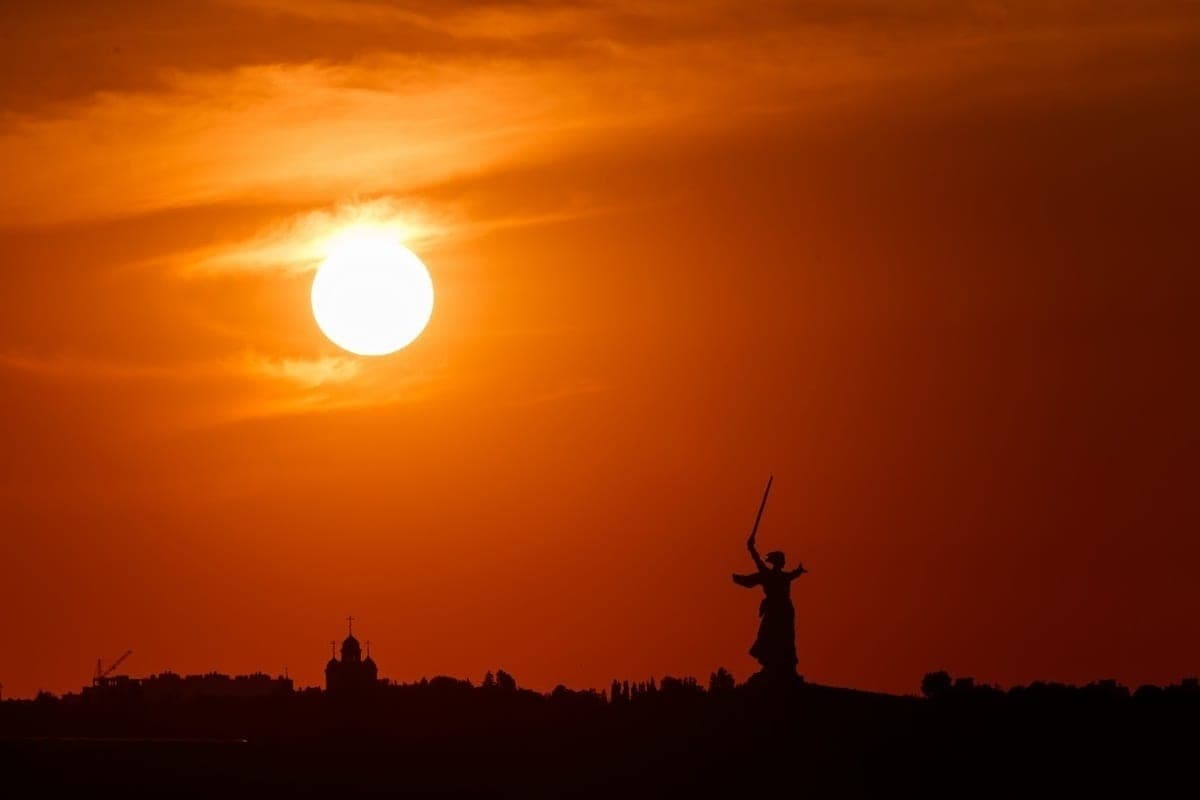
Experts estimate the probability of a full-blown storm is about 50%, and about 30% of scenarios assume simply an excited magnetosphere without reaching a formal storm threshold. That is, even if the storm is not formally declared, the magnetosphere will still remain turbulent.
If the peak of geomagnetic activity will occur at night, residents of some regions (including the European part of Russia) will have a chance to see the auroras – this is the visible result of the “bombing” of the atmosphere with particles of the solar wind. This stream comes from a large coronal hole on the Sun.
The aurora is the glow of the upper atmosphere that occurs when charged particles from the Sun — electrons and protons — collide with gas molecules in the air. When they reach Earth, our planet’s magnetic field deflects most of them, protecting us. But some of the particles of the magnetic field “tightens” to the poles – north and south. There, at an altitude of 80 to 400 km, these particles crash into oxygen and nitrogen atoms. The atoms are momentarily “excited” and then returned to their normal state, releasing energy as light. That's what we call the glow
The color of the aurora depends on what gas glows and at what altitude it occurs. Green is the most frequent color. It gives oxygen at an altitude of about 100-200 km. Red is also oxygen, but at high altitudes (about 200-350 km), where particles are smaller. Blue and purple - the glow of nitrogen.