
“I can’t eat it anymore”: the American was at a Russian feast and was in shock. Two weeks later she had to apologize
The American could not stand the Russian feast: two weeks later she admitted her mistake and apologized.
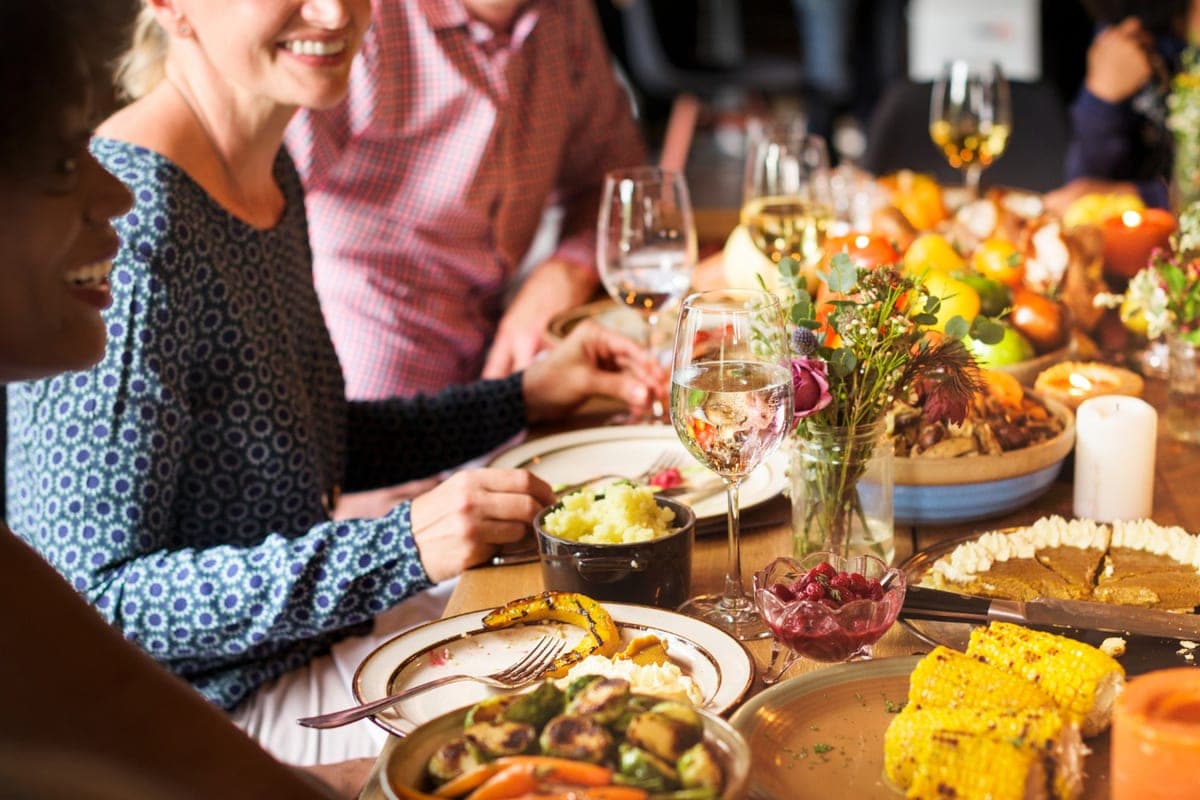
At first, she could not understand why the Russians were preparing so much food for a regular meeting. On the table at the same time appeared soups, salads, meat, cakes, pickles, homemade blanks and desserts. At the same time, the hosts were still worried that food was not enough, and constantly offered the guests an additive.
A few days later, the girl noticed the main thing: Russians really consider a well-fed guest a sign of good reception. An empty plate immediately raises questions, and refusing a supplement is often taken as an excuse to suggest something else.
Once at a family dinner, a foreigner was especially surprised by a three-liter jar of pickled ops. For the hosts it was a usual home billet, and for the guest of the bank looked almost like a separate attraction.
Not without unusual for the American combination. After the feast, the owner offered kefir, telling about the usual ways for Russian cuisine to use it. Gradually, the girl began to perceive such details not as oddities, but as part of local traditions.
Two weeks later, her attitude towards the Russian feast changed. The American realized that the abundance of food is associated not so much with the desire to surprise the guest, but with hospitality. The hosts want to show attention, feed the person and make the meeting really warm.
In the end, the girl had to admit that her first conclusions she made too hastily. What at first seemed excessive to her turned out to be one of the usual forms of caring.


