
Animal husbandry of the Penza region: the growth of production with the reduction of livestock
According to Penzastat, in January-September 2026, 384.7 thousand tons of livestock and poultry were produced for slaughter (in live weight), which is 5.0% more than in the same period of 2025.
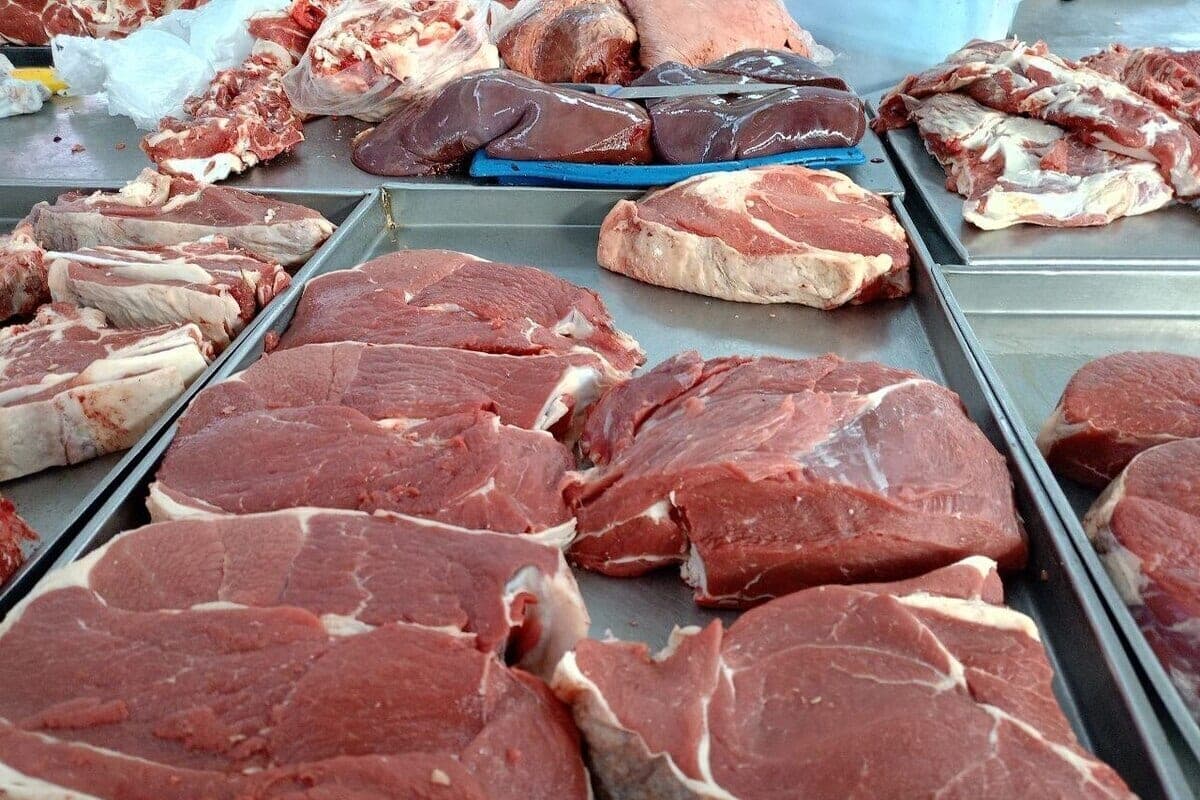
According to Penzastat, in January-September 2026, 384.7 thousand tons of livestock and poultry were produced for slaughter (in live weight), which is 5.0% more than in the same period of 2025. The main contribution is made by agricultural organizations – 371.0 thousand tons (96.5% of the total volume), an increase of 5.2%. The households produced 10.8 thousand tons (2.8%), a decrease of 4.1%. Peasant (farm) farms and individual entrepreneurs - 2.9 thousand tons (0.7%), an increase of 25.1%.
Milk production reached 379.9 thousand tons, an increase of 3.0%. Agricultural organizations gave 299.5 thousand tons (78.9%), an increase of 6.2%. The households of the population - 52.2 thousand tons (13.7%), a decrease of 2.7%. Farmers - 28.2 thousand tons (7.4%), a drop of 15.3%. Thus, the dairy sector is growing at the expense of large enterprises, while small forms of farming reduce production.
Production of eggs of all species amounted to 298.1 million pieces, which is 11.4% more than a year earlier. Agricultural organizations produced 180.8 million units (60.7%), an increase of 16.8%. The households of the population – 63.5 million units (21.3%), almost at the level of last year (+0.2%). Farmers - 53.8 million units (18.0%), an increase of 9.4%. Despite the overall growth, the Penza region remains one of the outsiders of the Volga Federal District in terms of absolute egg production (according to Rosstat, among agricultural organizations - 169.2 million for nine months). However, the dynamics are positive.
The analysis of livestock at the end of September 2026 reveals an alarming trend: in all categories of farms there is a decrease. Cattle (bovine cattle) as a whole in the region has 142.7 thousand heads, which is 2.1% less than a year earlier. Cows - 58.7 thousand heads (-2.9%). Pigs - 273.3 thousand heads (-10.1%). Sheep and goats - 73.4 thousand heads (-7.2%). In agricultural organizations, cattle even increased by 1.7% (to 76.8 thousand heads), cows - by 0.6% (33.9 thousand). But pigs there decreased by 10.1% (243.1 thousand), sheep and goats by 11.5% (4.5 thousand). In households, the reduction in all types of cattle - by 4.2%, cows - by 6.0%, pigs - by 9.2%, sheep and goats - by 7.6%. Farms also reduced the number of cattle by 8.8%, cows by 8.9%, pigs by 29.2%, sheep and goats by 4.9%.
Thus, production indicators grow with the reduction of livestock. This is due to the increase in animal productivity in large agricultural organizations, as well as the effect of the low base last year. However, a steady decline in livestock in small-scale farming and pig farming poses risks for further growth. The main driver of the industry is agricultural organizations that are increasing the production of meat, milk and eggs. To consolidate the positive dynamics, measures are needed to support farmers and personal subsidiary farms, as well as investments in the modernization of livestock complexes.


