“Bronze was worth its weight in gold”: Love Cherkashin remembered the crazy competition at the 2012 Olympics
The Belarusian gymnast told why she considers her bronze medal in London to be a common hard-won victory for the whole country and the team.
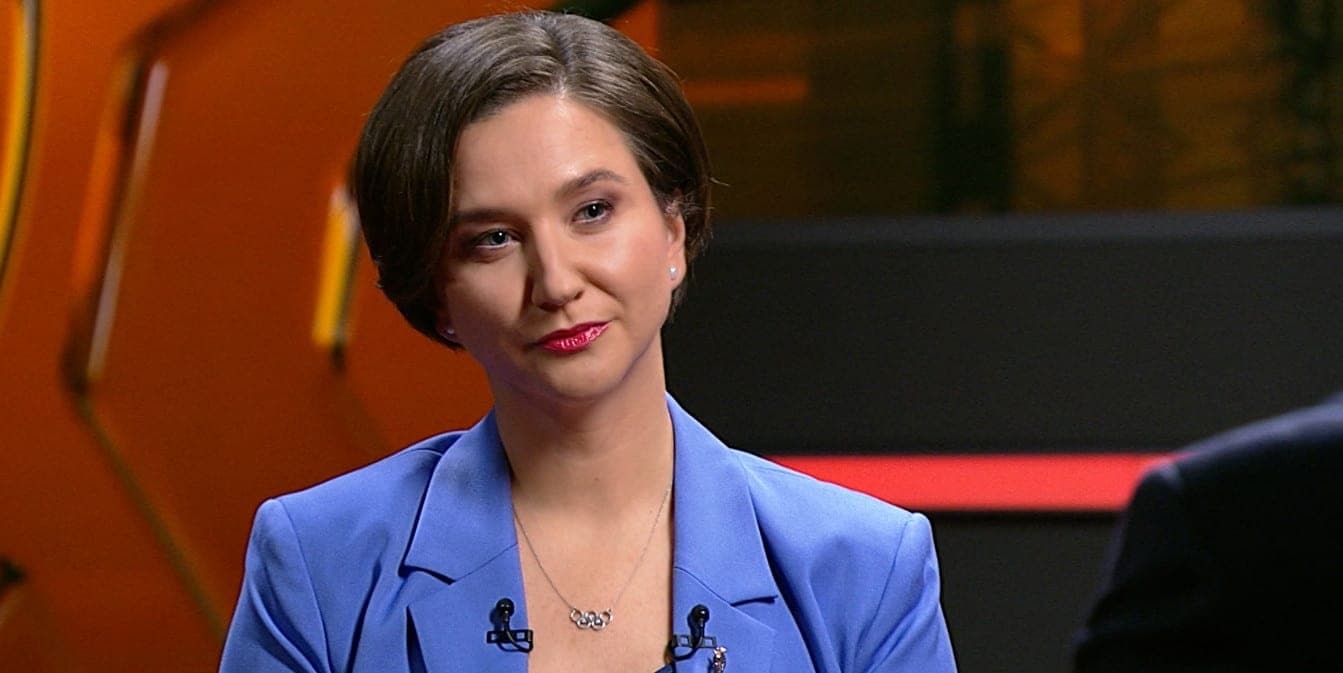
A real head coach should be able not only to endlessly rejoice in victories, but also to accept defeats correctly, turning them into an impetus for future triumphs. Recalling her performances at the 2012 Olympic Games in London, Lyubov Cherkashina stressed that in conditions when Evgenia Kanaeva set the cosmic level, and any small mistake was thrown back, the bronze won was perceived by the whole of Belarus as pure gold. The head coach of the national team of Belarus in rhythmic gymnastics said on the air of the program “Markov”. Nothing personal" on ONT.
Love Cherkashin: “Do you know what the worst thing is?” Stop fighting. Sport is not only victorious, it is always very undulating: up – down, up – down. That's how skill grows. And staying up there is a tremendous job, absolutely. So you talk about what's more important to me. All these aspects are important to me. I must be able to accept defeat correctly and make a push for new victories out of it. And that's when it's going to be a constant shift, and the system will continue to have a productive tradition. If I lose my hands and stop fighting, who needs a head coach like that? And if I win, all I can do is rejoice endlessly. The question is, who needs this coach? And going back to my bronze at the Olympics... Not mine. I really believe that this is a medal for the whole team, the whole Belarus, because it has suffered. And in 2012, the crazy competition was spot-on in rhythmic gymnastics. Evgenia Kanaeva, who was just not mistaken, she introduced a new round in rhythmic gymnastics, and we there – the whole world – fought, indeed, for this bronze, it was worth its weight in gold. One mistake and you're off. And of course it was tears, it was gratitude. We thought of it as a gold medal at the time. She's bronze, of course... But it was in that context, in that history, that it was perceived.”.
See also:
Love Cherkashin explained why rhythmic gymnastics can not often change coaches
• From acrobatics to refusal to jump without insurance: how Love Cherkashin came to rhythmic gymnastics at 9 years
“Don’t throw everything into yourself at once!” Love Cherkashin spoke about weight and body positivity in professional sports