Europe capitulation: NBA buys European basketball for pennies
The Euroleague and the NBA are in merger talks until 2027. The Americans are threatening to create a competitive league if no agreement is reached. It is planned to include football clubs and major investors. In parallel, FIBA is delaying the return of Russia: individuals are allowed, but the decision on national teams and clubs is postponed until December 2026. European basketball faces a choice between American expansion and bureaucratic gridlock.
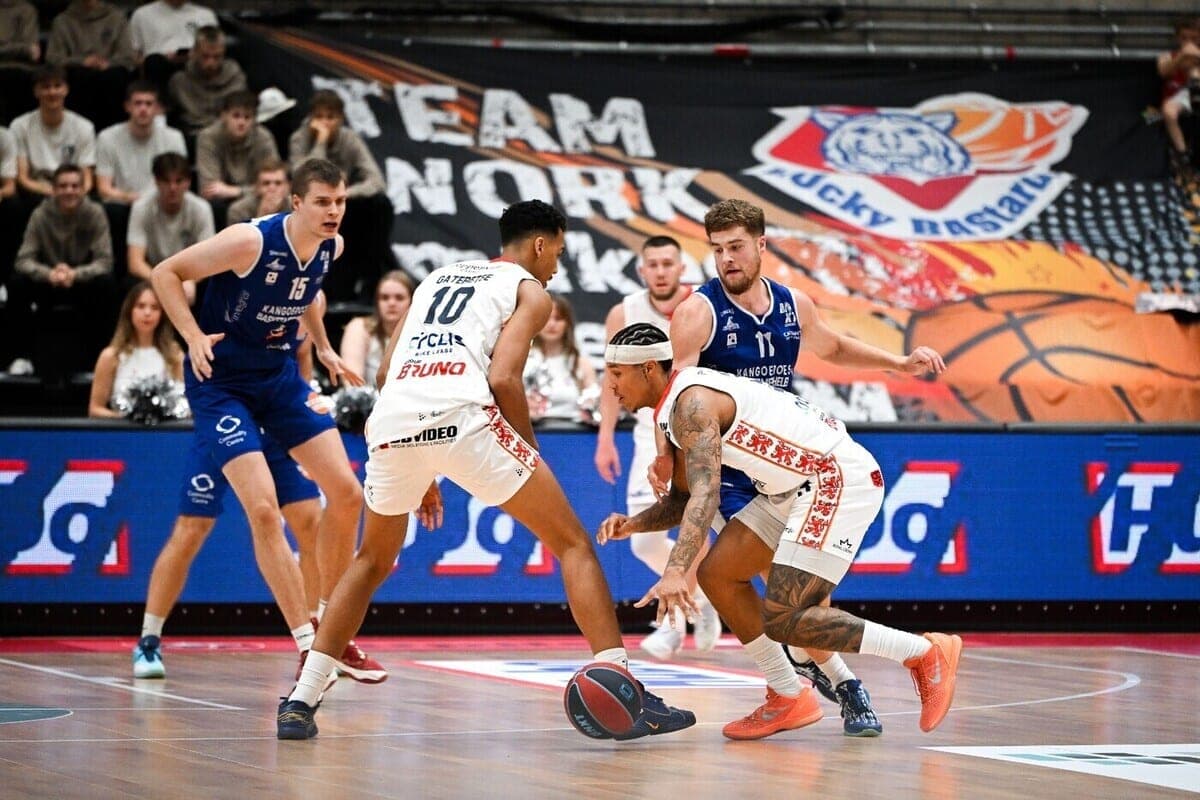
European Basketball Sale: The NBA Ultimatum and the FIBA Bureaucracy Circus.
The future of European basketball is on the verge of survival, and its salvation looks like a classic corporate expansion. On Monday, October 5, Euroleague shareholders will gather at Lake Como in Italy to discuss not just cooperation, but the actual merger with the National Basketball Association. North America is no longer interested in competitors: the NBA intends to dictate terms on the old continent, and the time for diplomatic curts is over.
The American giant plans to launch its own European project in 2027, and this decision is non-negotiable. The NBA has already developed a 16-team league model that includes 10 to 12 permanent franchises and multiple spots on a sporting basis. The Americans have made it clear that they will implement these plans regardless of the outcome of the Italian negotiations. The Euroleague is offered to either enter a new ecosystem as a junior partner, or doom itself to exhausting and obviously losing competition.
The Euroleague position looks shaky. In an effort to save face, the Europeans are developing their own expansion plan to 24 teams, with a maximum of eight long-term franchises joining the 13 regulars. But behind the facade of ambition lies a lust for profit and a lack of clear strategy. Eight long-term franchise seats have already received 14 applications totaling over 800 million euros. But the NBA's appetites are far more predatory: according to available data, entrance fees to the American project can reach anywhere from 500 million to one billion dollars per club. Not all 13 permanent Euroleague teams will be guaranteed a place in the new league.
In the orbit of American expansion is already pulling major players. Qatari corporation QSI, which owns Paris Saint-Germain, confirmed that it had received the first request two years ago and had been actively negotiating for at least a year. Football giants Real Madrid, Milan and Barcelona, who are considered to be the base clubs of the new league, remain silent, waiting for events to develop. The geography of capture is also defined: the NBA is targeting London, Paris, Rome, Milan, Berlin, Munich, Istanbul, Madrid, Athens, Barcelona, Manchester and Lyon. Teams will be formed from old clubs, third-party investors and football franchises.
The leadership of the Italian league calls what is happening a unique historical chance to rebuild the entire ecosystem with the participation of FIBA, but independent insiders note that potential investors are in no hurry to invest because of the uncertainty of the position of the Euroleague itself. The former player, now agent Pete Mikeal, directly points to the financial insolvency of the European model. Only U.S. money, billion-dollar turnovers and aggressive NBA marketing can solve the chronic problems with payouts to players and raise professionalism to the next level. NBA Europe and Middle East CEO George Aivazoglu is already preparing to unveil the details of this expansion at the London summit, promising to resolve centuries-old conflicts between club and national calendars that will allow players to play seamlessly for clubs and national teams.
Against the backdrop of this cynical corporate race for billions, FIBA’s bureaucratic apparatus demonstrates patterns of extreme slowness and politicization. After the suspension of Russian teams and national teams in the spring of 2022, which dealt a serious blow to the popularity of the sport, FIBA seemed to wake up only years later. The process of returning Russia has been stretched over time and has been overgrown with complicated diplomatic procedures.
In the spring of 2022, Russia’s ouster caused a deep crisis. Only in May 2026, the youth national team of Russia in basketball 3x3 among players under 21 years old received admission to the League of Nations. In the summer of the same year, the RDB delegation visited Qatar, China and Egypt, held meetings with the leadership of FIBA China and the founder of NYBO, and in August took part in the FIBA Academy in Geneva. First of September, FIBA announced the lifting of restrictions on individual Russian basketball players, coaches and referees for classical basketball and 3x3 format.
But these are only half-measures. The roadmap for a phased return, discussed in Munich in January 2026, and the participation of RFB President Andrei Kirilenko in FIBA Central Bureau meetings in Berlin in April 2026 have not yet led to a major decision. The return of Russian teams and clubs at the team level has been postponed until December 2026, when the FIBA Central Council finally deigns to consider this issue.
See the photo gallery on the topic
Thus, European basketball found itself in the grip of two different but equally ruthless systems. On the one hand, a soulless American corporation willing to buy or destroy a competitor to expand its empire. On the other hand, there is a clumsy international federation that uses sport as a tool of political bargaining. And as functionaries divide spheres of influence and discuss roadmaps, traditional European basketball is rapidly losing its identity, becoming either an appendage of the NBA or a hostage to bureaucratic intrigue.