The EU is preparing for a tough fight for a budget of over 1.58 trillion euros for 2028-2034
The leaders of the European Union countries will begin to discuss the draft budget for 2028-2034 with a volume of more than 1.58 trillion rubles.
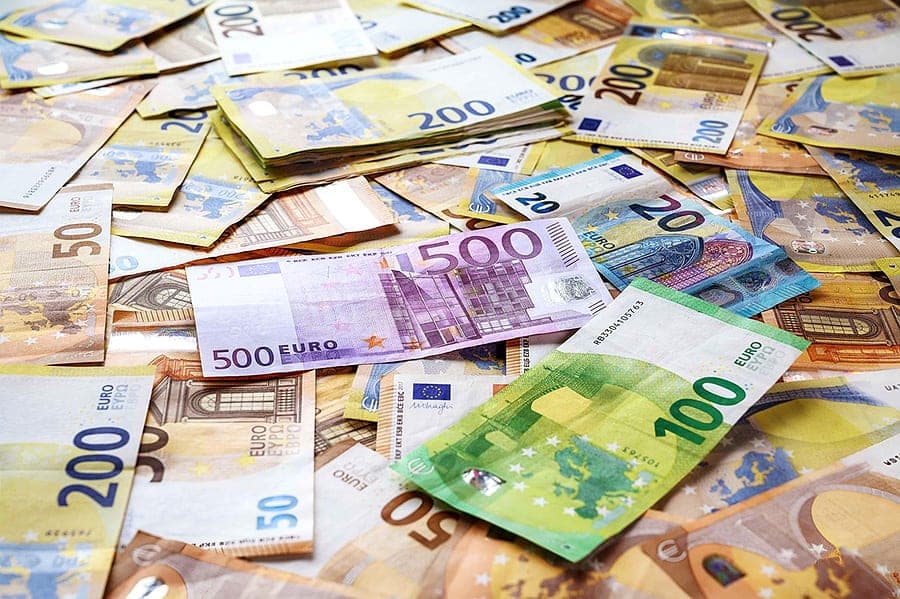
European Union leaders will begin discussing a draft budget for 2028-2034 worth more than 1.58 trillion euros at a summit in Brussels on November 26. The purpose of the meeting is to bring together the positions for the final agreement in December, the correspondent of the Minsk-Novosti news agency reports.
Photo by pexels.com
According to Reuters, governments will be tough on key issues, including financial support for Ukraine. The meeting will allow the President of the European Council, António Costa, to prepare a new draft budget and approve it at the summit on 17-18 December.
The budget will be effective only in 2028, but EU leaders want to reach an agreement before the end of 2026: next year elections will be held in France, Italy, Poland, Greece, Estonia, Finland and Slovakia. The budget needs unanimous approval from all 27 countries.
In Antonio Costa's latest proposal, the total budget is 1.582 trillion euros. It includes 140 billion euros to repay loans raised during the pandemic. The largest expenditure, about 740 billion euros, is earmarked for supporting farmers and helping the poorest regions of the European Union.
The budget provides for the allocation of up to 100 billion euros to Ukraine, mainly for defense and budget support. Aid to Kiev in 2027 will be discussed separately. The EU intends to attract 45 billion euros of borrowed funds from the current budget and transfer them to Ukraine. The debt will be repaid only after Russia pays military reparations. Another 25 billion euros will be provided by countries outside the EU – the UK, Norway, Japan, Switzerland and Canada.
One of the controversial issues is whether all member states should participate in providing Ukraine with a loan of 45 billion euros. Slovakia, the Czech Republic, Hungary and Bulgaria oppose. At the same time, Germany and a number of other countries made their participation in the program a condition for concluding a broader budget agreement.
It is noted that donor countries are in favor of budget cuts. They believe that the money should be used to increase the competitiveness of the European Union compared to the United States and China, rather than subsidies to agriculture and subsidized regions. In turn, recipient countries insist on financing both directions.