Europe faces winter with record gas shortages in storage
The European Union is entering the heating period with the lowest level of gas reserves in storage facilities.
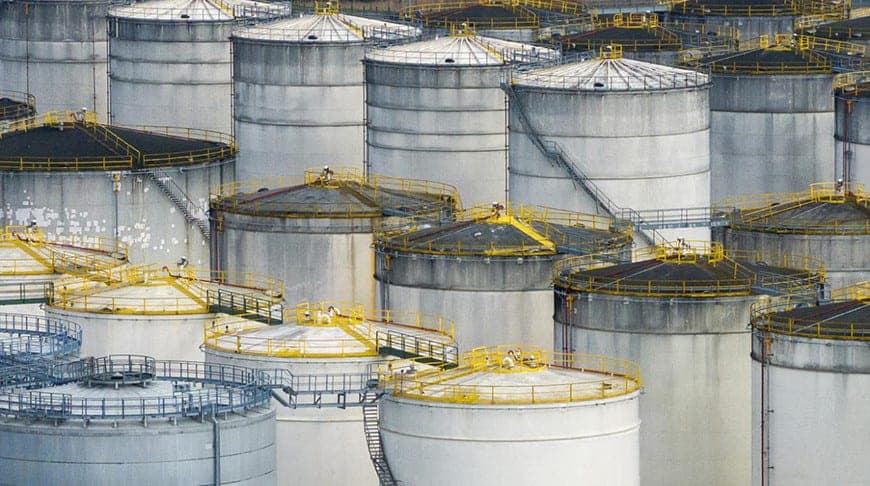
The European Union is entering the heating period with the lowest level of gas reserves in storage for autumn in the entire history of observations (since 2009), the correspondent of the Minsk-Novosti news agency reports.
Photo by Getty Images
Gas storage occupancy is about 71%, while the seasonal average is usually about 87%. The worst situation is in Germany, where tanks are only 57% full.
Earlier, traders earned on the difference in prices: they bought gas in the summer, when it was cheaper, accumulated it in storage, and then sold in the winter months, when the cost of fuel increased. However, for the second season in a row, this commercial model has failed. After Russian pipeline gas supplies declined, Europe refocused on liquefied natural gas (LNG), and supplies from the Middle East became unstable.
Michael Schmelzer, Head of Uniper Energy Storage, noted that if the seasonal price difference goes into the red, and the capacity is realized cheaper than the cost, then neither long-term operation of storage facilities nor investments in them are possible.
If new supply disruptions emerge, or in the event of a particularly severe winter, when the accumulated volumes will not be enough, Europe will have to purchase LNG at an inflated cost. This would further increase electricity bills, drive up inflation, and pose a risk to the economy, especially for less affluent countries.
Germany and the Netherlands began to explore the possibility of forming strategic gas reserves. To date, such reserves are available in only nine EU countries, their total volume is estimated at about 12 billion cubic meters, which is enough for 13 days of average consumption. Germany plans to start creating its reserve no earlier than 2027.
Earlier, Politico reported that the European Commission appealed to EU member states to reduce gas and electricity consumption amid the crisis in energy prices.