Photofact. Monument "Baiterek" in Astana - a visiting card of the city
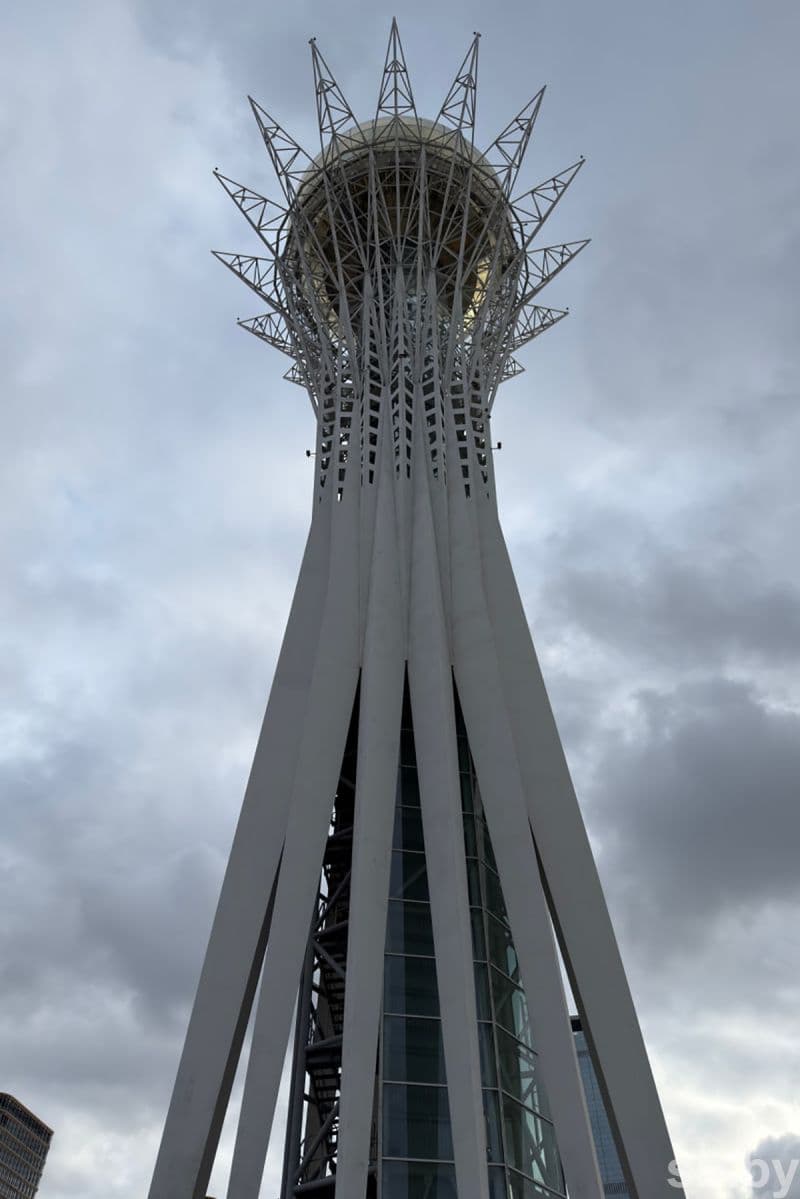
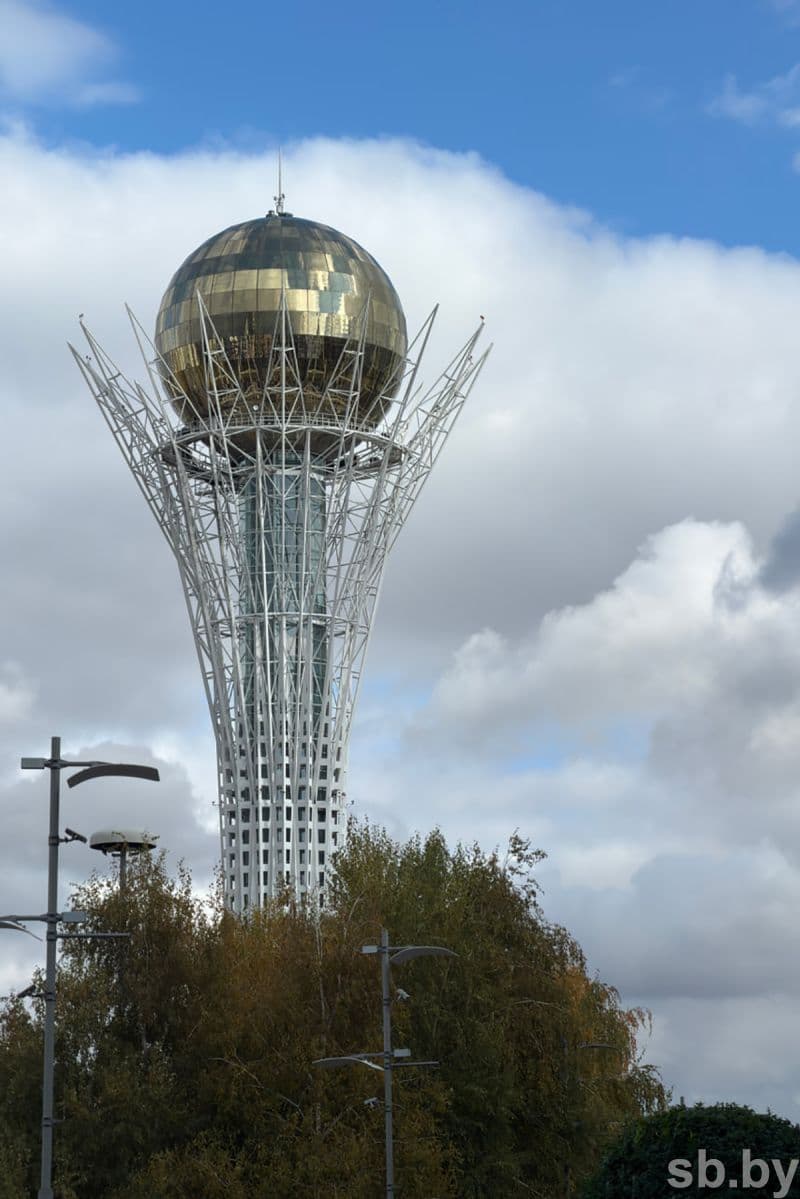
The Baiterek Monument in Astana is the main symbol of the capital and independence of Kazakhstan. Construction was completed in 2002. In the design used metal, ...
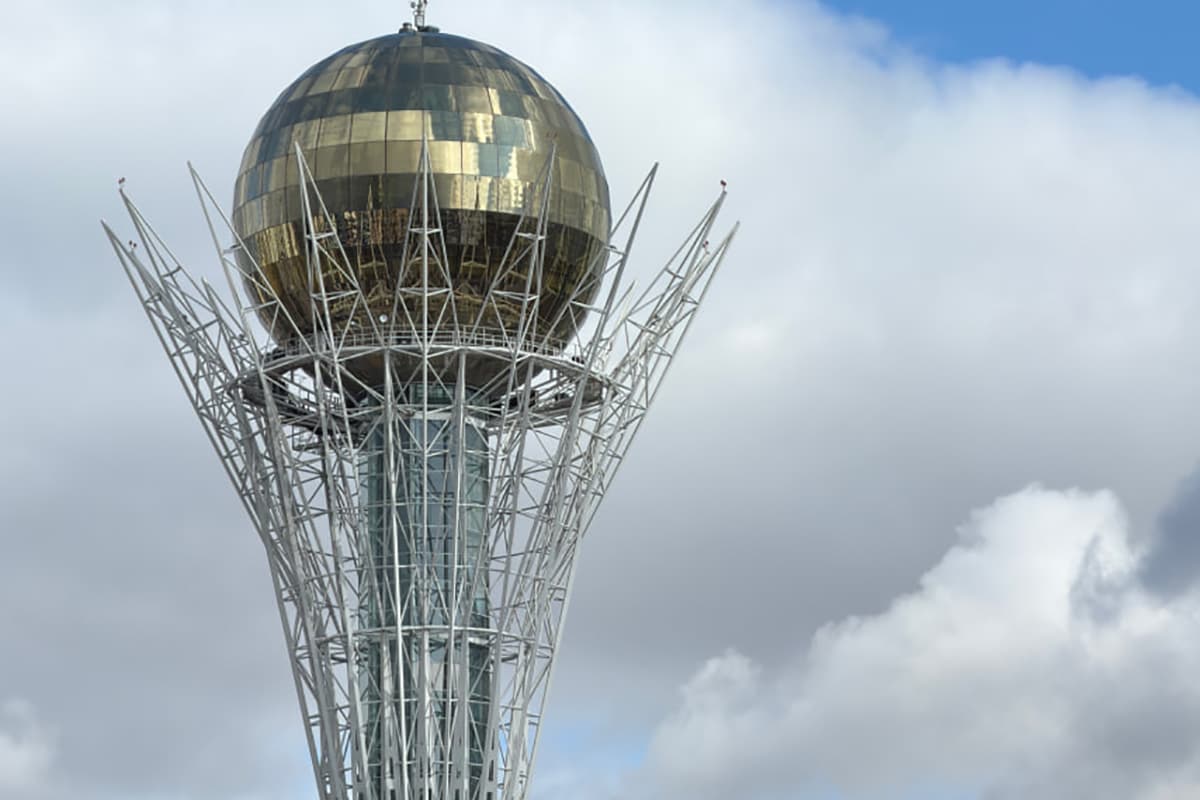
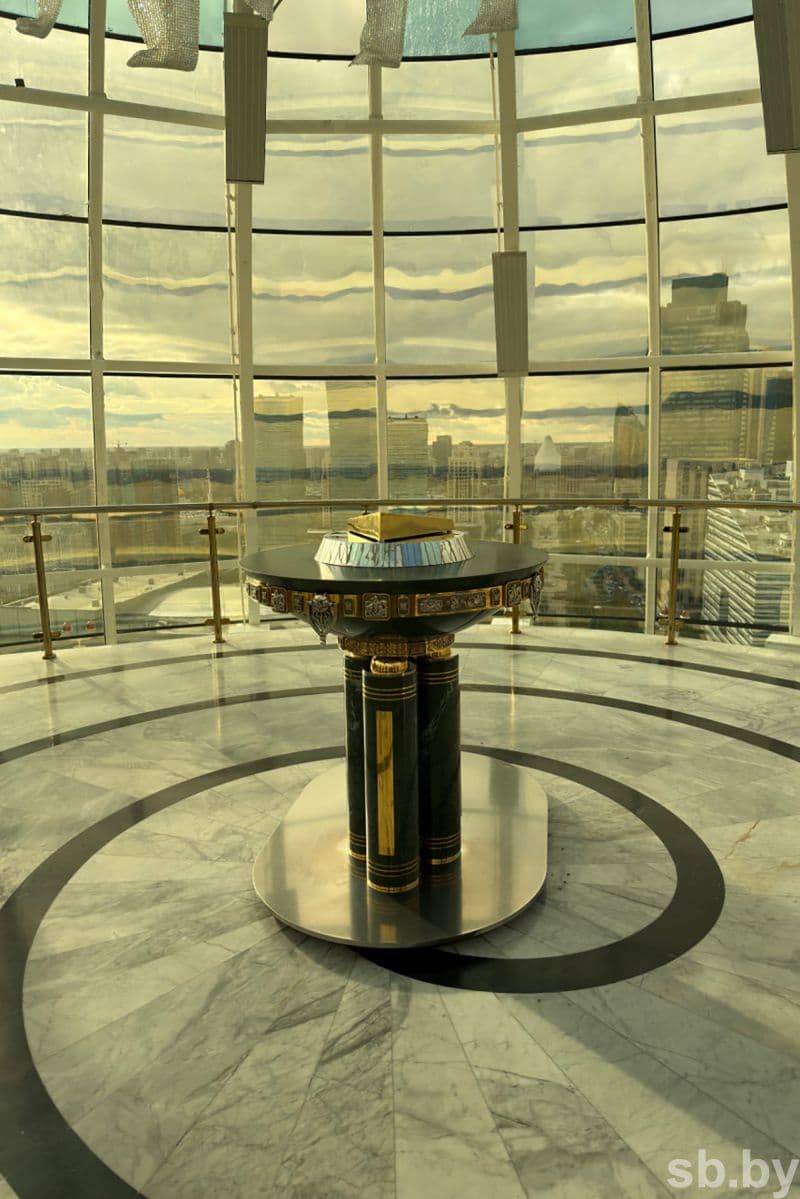
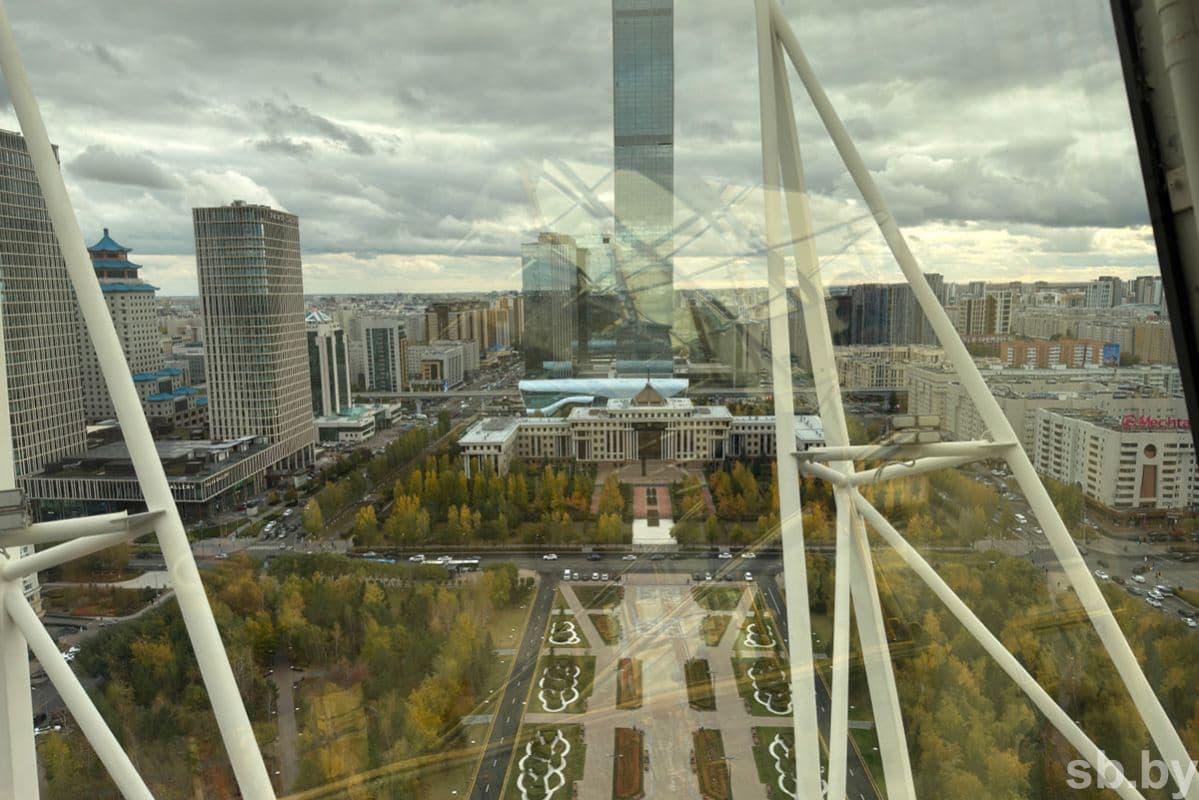
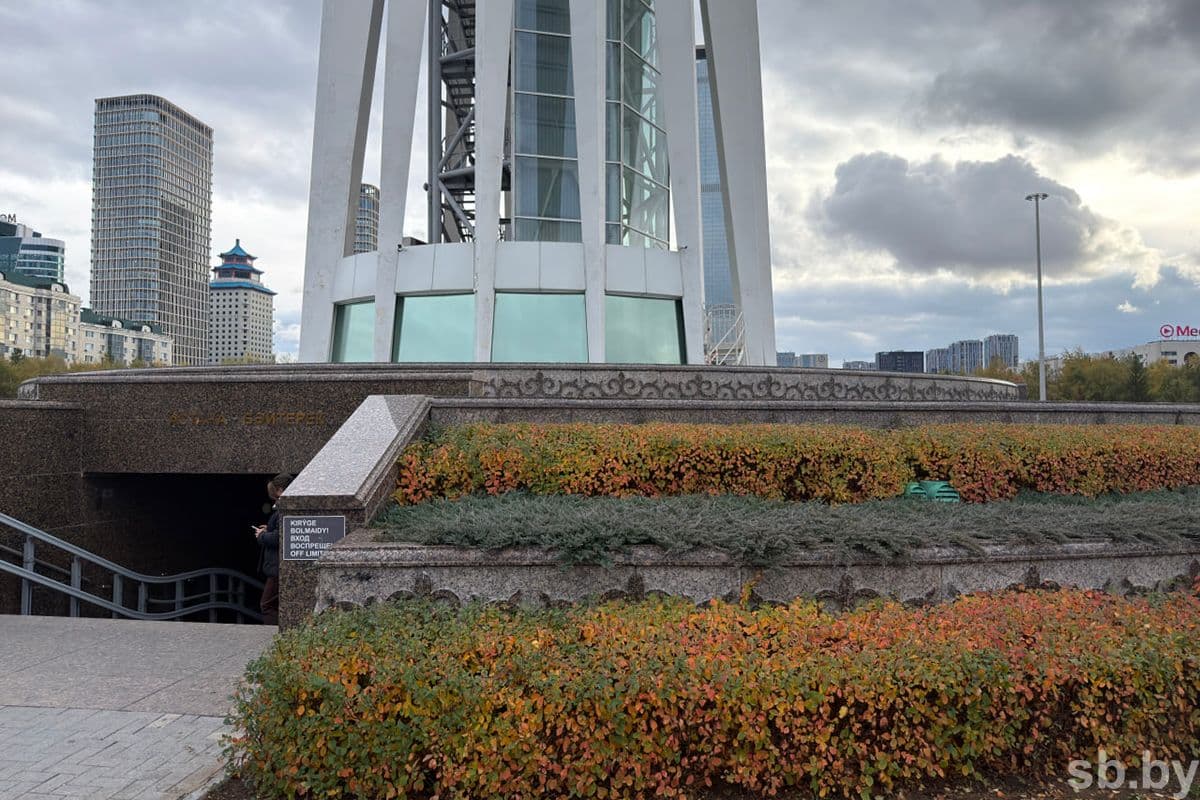
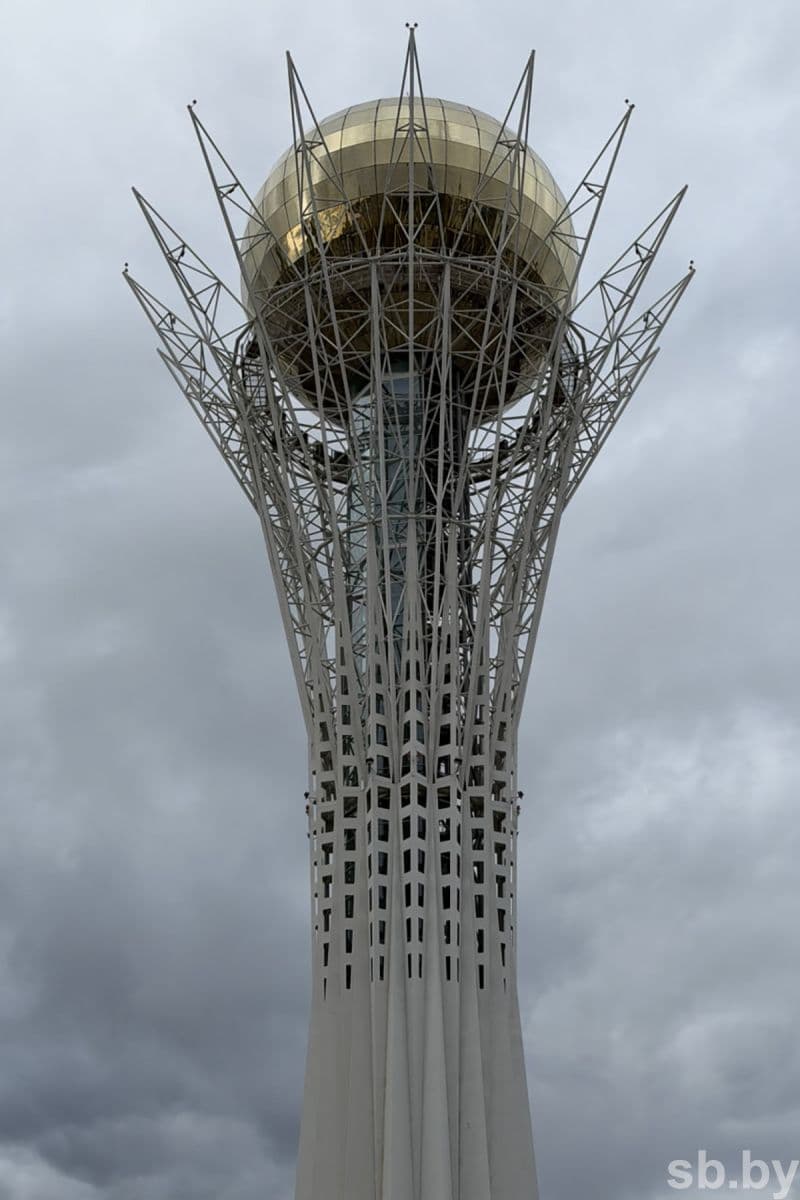
The Baiterek Monument in Astana is the main symbol of the capital and independence of Kazakhstan. Construction was completed in 2002. The design uses metal, concrete and glass, and the basis is 500 piles. The total height of the structure reaches 105 meters, of which 97 meters fall on the metal part. And this number was chosen not by chance: in 1997 Astana became the capital of Kazakhstan. About this correspondent sb.by told the guide Jeanerque Quanesh. “Baiterek” is a deeply symbolic monument, the guide emphasized. It represents the tree of life that unites three worlds, three levels. Underground goes down 4.5 meters, it corresponds to the roots of the tree. At this level there is a cafe, a mini gallery. The trunk symbolizes the earthly world - the middle level is represented by panoramic glass elevators. And the crown is heaven. At the top shines a glass ball, inside which there is a three-level panoramic hall. Unique glass "chameleon" changes shade under the sun.
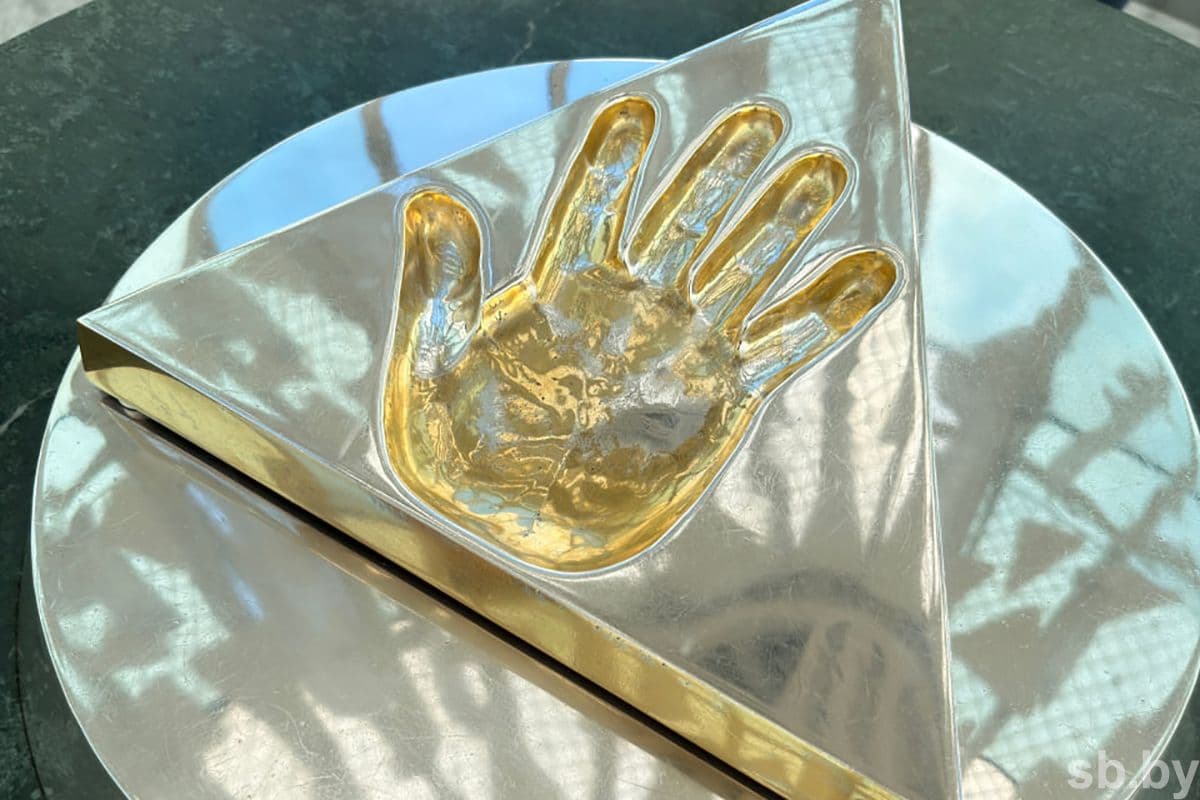
At the highest level is the impression of the right hand of the first President of Kazakhstan Nursultan Nazarbayev, made in the year of the opening of the monument. This element is called “Ayali alakan” (Blessing). They say that if you put your hand and make a wish, it will come true.
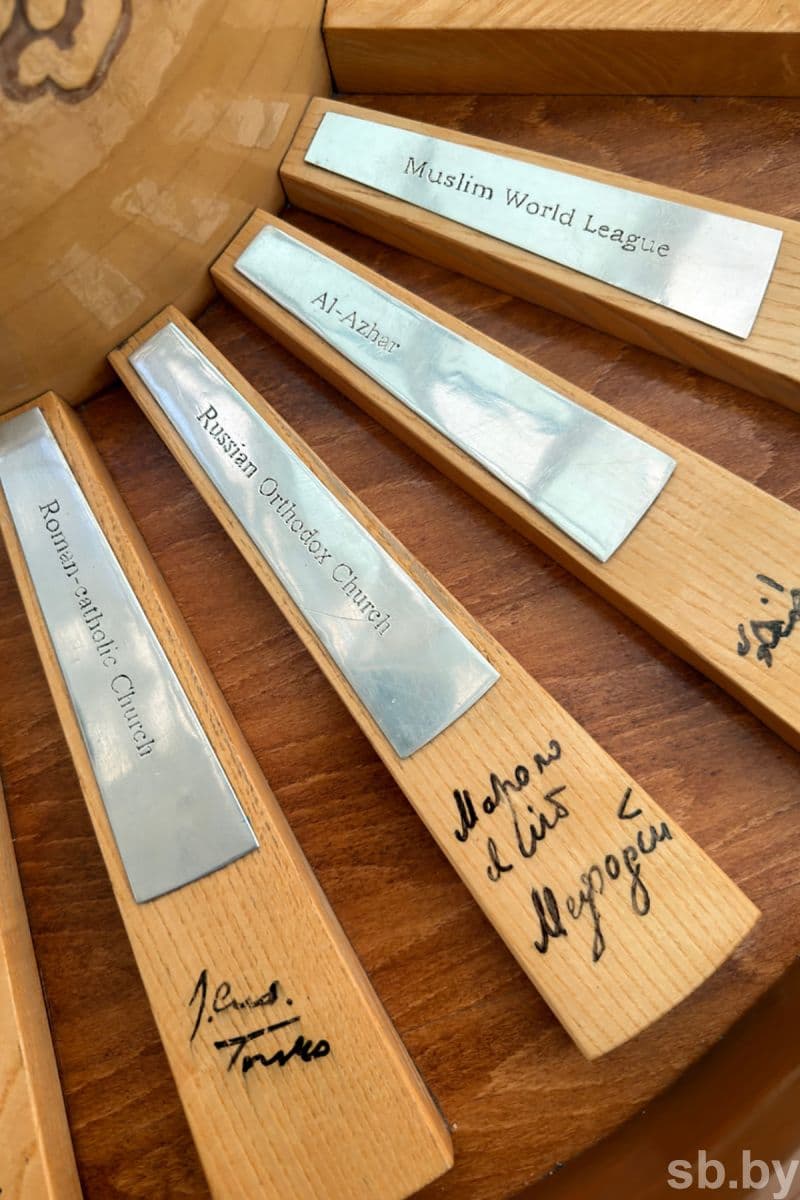
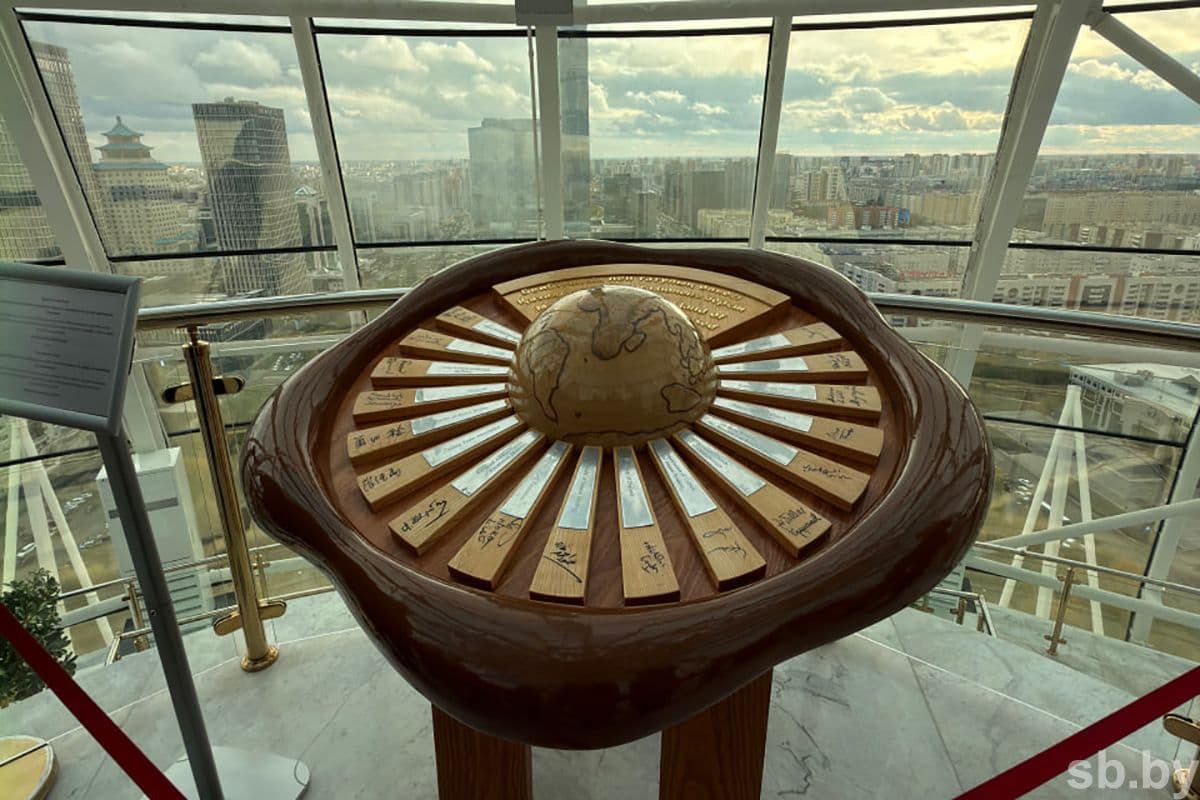
In addition, on the upper level of the monument there is a wooden composition “Bata” with the signatures of the leaders of world and traditional religions – they appeared during the first Congress, which was held on September 23-24, 2003 in Astana. The composition means blessing to Kazakhstan and wishing prosperity.
On October 7, the XXIV meeting of the Secretariat of the Congress of Leaders of World and Traditional Religions will be held in the Palace of Peace and Accord in Astana. The large-scale forum will bring together representatives of Christianity, Islam, Judaism, Hinduism, Buddhism, Taoism, Shintoism, Baha'is, as well as heads of international organizations, statesmen and leading experts from 20 countries of the world.