Chinese icebreakers Xuelong and Xuelong-2 returned to Shanghai from an expedition to the Arctic Ocean
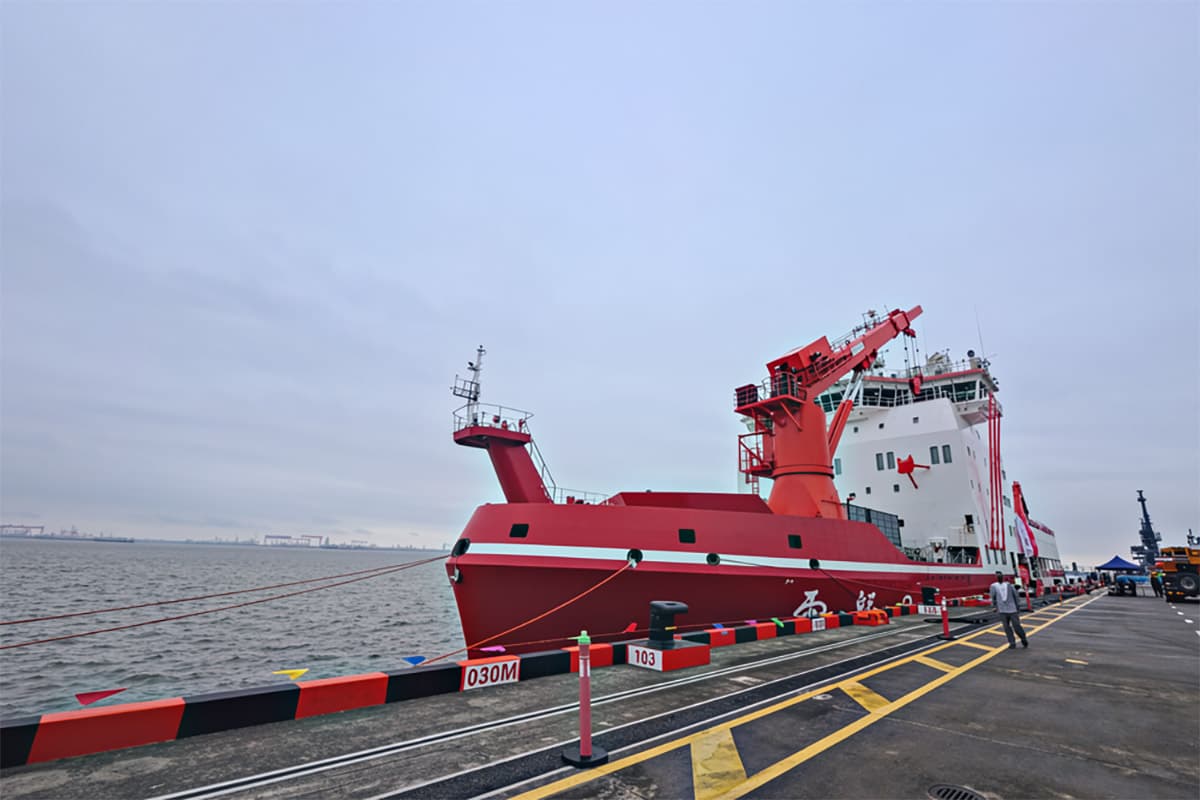
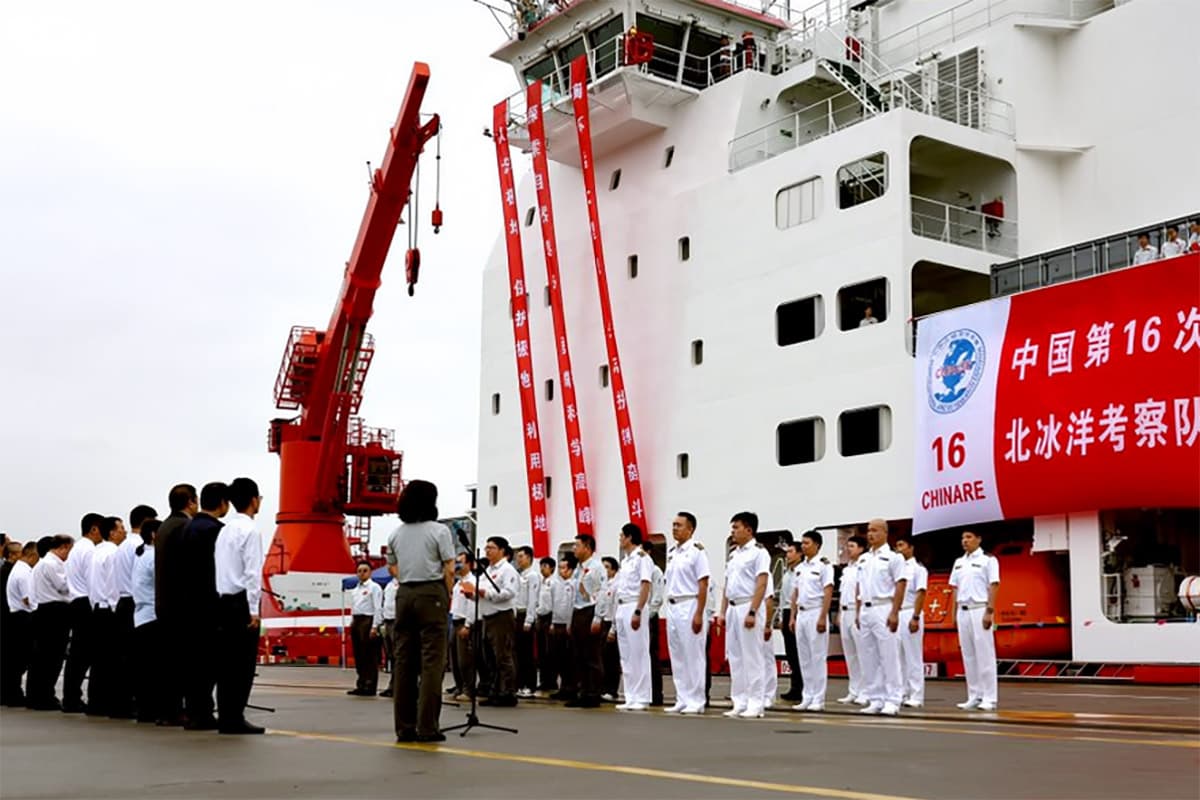
Chinese icebreakers Xuelong and Xuelong-2 (Snow Dragon and Snow Dragon 2) have returned to Shanghai after completing the 16th Chinese expedition to the Northern Sea.
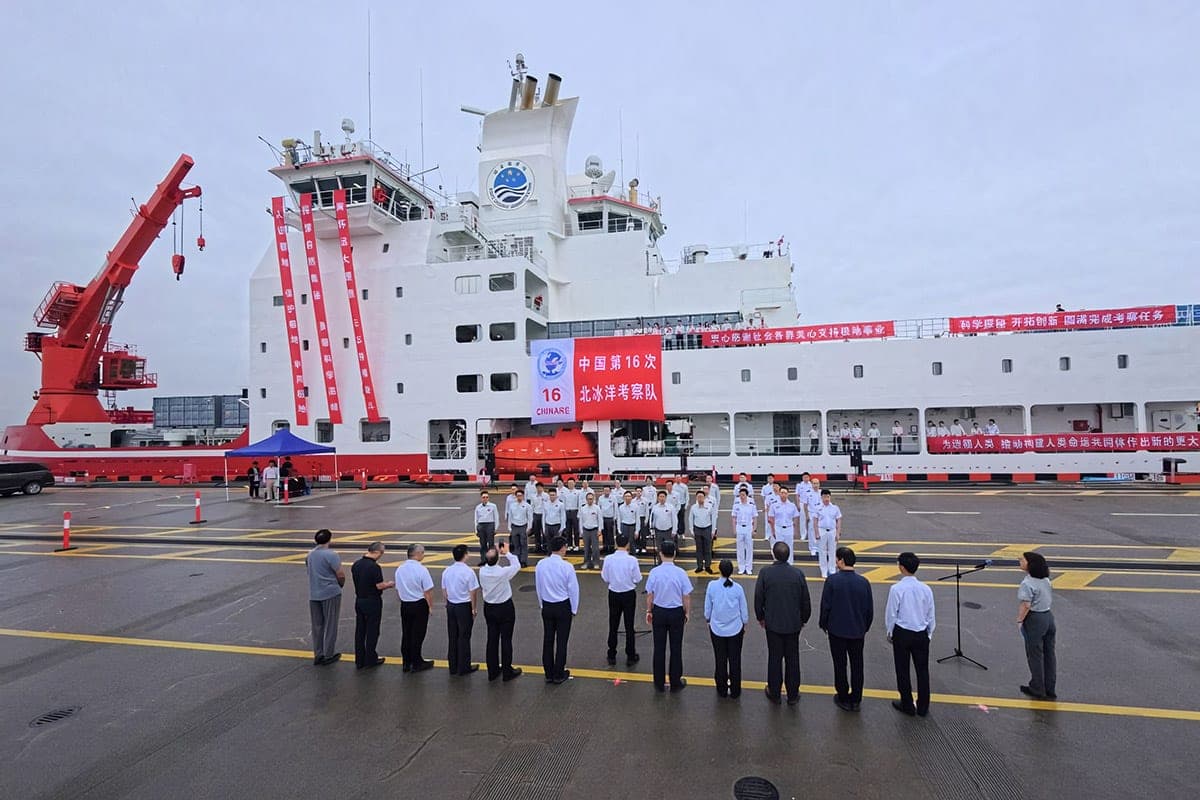
Chinese icebreakers Xuelong and Xuelong-2 (Snow Dragon and Snow Dragon 2) returned to Shanghai after completing the 16th Chinese expedition to the Arctic Ocean. The study lasted almost three months, writes sb.by.
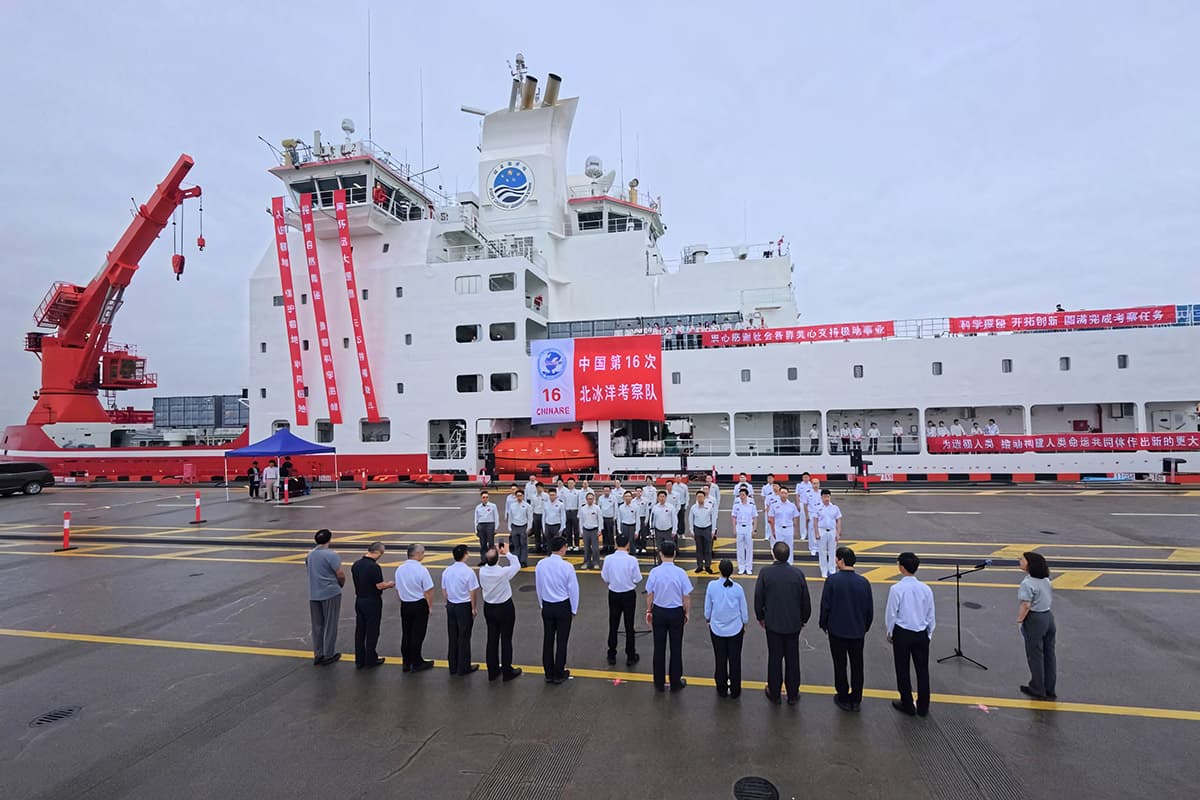
As reported by Xinhua, the expedition successfully completed key tasks, including comprehensive research and monitoring, advanced scientific research and international cooperation. According to the participants, both in terms of the scale of the expedition and the total number of tasks, the current expedition has reached new maximums.
The expedition was also very fruitful in terms of new scientific discoveries, theoretical breakthroughs, technological tests and application of equipment. These findings can provide powerful support for better understanding and effective response to global climate change and promoting sustainable development in the Arctic.
A series of new discoveries and breakthroughs made during the expedition allowed China to reconsider its understanding of the marine environment and geophysics of the Arctic Ocean. In particular, the researchers found that in some areas of the Arctic Ocean there is warming groundwater.
During the expedition, Chinese researchers also caught several polar cod fry in an area with a dense ice sheet in the high-latitude Arctic – a discovery that could deepen scientists’ understanding of the species and its habitat ecosystem.
Thanks to the joint work of the icebreakers Xuelong and Xuelong-2 in the high-latitude waters of the Arctic Ocean, 19 operations to create ice stations and 95 operations to install buoys on the ice were coordinated, which allowed to build a local network of unmanned observation points. According to the chief scientist of the expedition, He Jianfeng, both the number of ice stations and the number of buoys installed on the ice reached a record level.
“Relevant research will not only deepen China’s understanding of the rapid changes in the Arctic Ocean, improve the accuracy and level of our predictions regarding sea ice and ocean changes in the region, but also provide valuable off-season first-hand observation data for international management of the Arctic Ocean ecology,” he added.
Significant advances have also been made in the application of communication technologies in the high Arctic. During the construction of ice stations on the icebreaker Xuelong, a video call was made with the Antarctic station Qinling and the transmission of data to it using satellite Internet communication equipment installed on board the vessel.
The expedition participants conducted research cooperation in various forms with seven scientists from Russia, Germany, Thailand and the Hong Kong Special Administrative Region.
The 16th expedition was organized by the Ministry of Natural Resources of China, it involved 4 vessels: Xuelong, Xuelong-2, Jidi and Tanso-3. Currently, Jidi and Tanso-3 are continuing their research missions and are expected to return in mid-October 2026.
Photo: Xinhua.