Climatologist explained why the eruption of the American supervolcano can slow down global warming
The volcanic winter after the eruption of the Yellowstone supervolcano in the United States can temporarily slow down global warming. It's from sb.by. ...
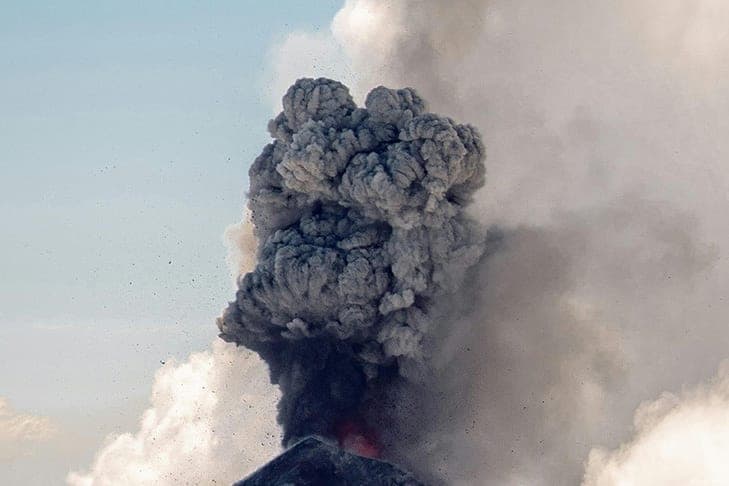
The volcanic winter after the eruption of the Yellowstone supervolcano in the United States can temporarily slow down global warming. It's from sb.by.
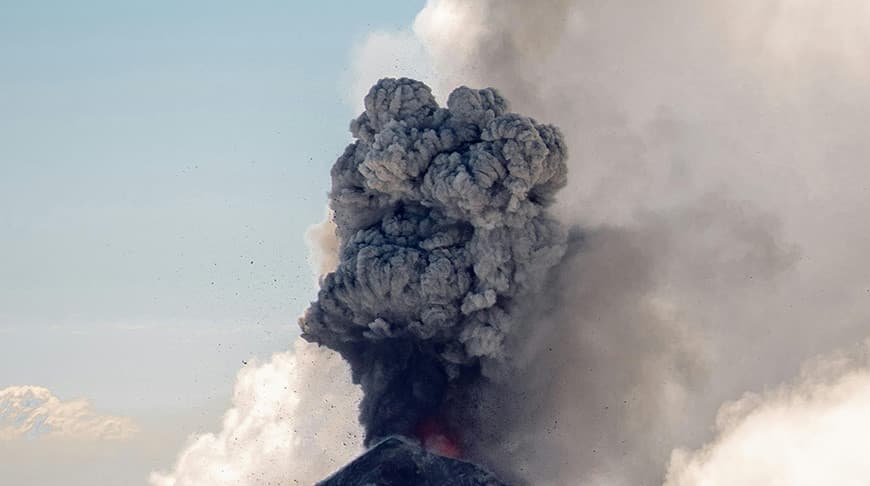
According to RIA Novosti, this was told by an American climatologist, Vice President of the Center Climate Central Christina Dahl.
In July, near the caldera of the Yellowstone supervolcano in Wyoming, an earthquake of magnitude 3.3 occurred - the strongest since the beginning of the year, it was preceded by another 11 weaker tremors. According to recent estimates, the giant may be closer to the eruption than expected.
According to Christina Dahl, the volcanic winter after the eruption of Yellowstone can temporarily reduce human-induced warming. As an example, the expert cited the eruption of Mount Pinatubo in 1991. It became the second largest volcanic eruption in the last century and led to a cooling of about 0.6 degrees. At the same time, the increase in world temperature due to human activity, the climatologist estimated at about 1.4 degrees.
“In a normal year, the impact of heat-trapping gases on our planet’s temperature far exceeds the impact of volcanic activity,” said Dahl.
The Yellowstone Caldera in Wyoming has already experienced three giant eruptions in the past 2.1 million years. According to the US Geological Survey, there are no signs of such an event approaching.