Director who defied censorship: Tinto Brass has died
Italian film director Tinto Brass, who became a symbol of erotic cinema and one of the most controversial figures in the world.
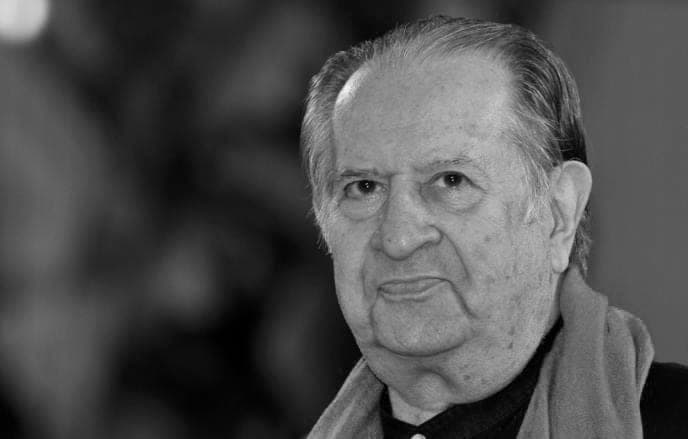
Italian film director Tinto Brass, who became a symbol of erotic cinema and one of the most controversial figures in the history of cinema, died in Rome on November 4 at the age of 93. The death of the director was reported by his wife and children, adding that the funeral will be held in a narrow circle, the correspondent of the agency “Minsk-Novosti”.
Photo by Pascal Le Segretain/Getty Images
T. Brass (real name - Giovanni Brass) was born on March 26, 1933 in Milan, in the family of a famous lawyer, but the craving for art, inherited from his grandfather-artist, led him to the cinema. Having received a law degree in Padua, he went to Paris, where he worked in Cinematec and met future representatives of the “new wave”. Returning to Italy, he assisted Roberto Rossellini, and in 1963 he made his film debut with the film Who Works Is Lost.
However, the world fame of the director brought not experimental dramas, but paintings that challenged censorship and morality.
In 1976, Brass directed Kitty Salon, a provocative drama about a Nazi brothel that explores the relationship between vice and power. Even more resonance was caused by the film “Caligula” (1979), which the director later disowned, as the producers remodeled the picture without his participation.
The turning point was the film The Key (1983) with Stefania Sandrelly. It was after her that Brass secured a high-profile status as a director of erotic cinema. It was followed by Miranda (1985), Capriccio (1987), Paprica (1991) and Chaluña (1998). His films did not just show nudity, but explored female sensuality and voyeurism, often drawing the ire of authorities but drawing viewers to cinemas.
Brass was married to Carla Cipriani (died 2006), who was his longtime collaborator and scriptwriter. In 2017, he married Katerina Varzi. In 2010, the director suffered a brain hemorrhage, after which his health was shaken. The maestro spent his last years in his home near Rome.
T. Brass left, leaving behind an ambiguous but undeniably vibrant legacy. His films are still controversial, and his name is forever associated with the whole era of Italian cinema, in which art and provocation went hand in hand.