The UN warned of the risk of reducing fresh water supplies and retreating glaciers
In 2025, rivers around the world experienced one of the driest periods in more than a decade.
In 2025, rivers around the world experienced one of the driest periods in more than 30 years, and freshwater supplies and glacier volumes continue to decline. This is evidenced by the report of the World Meteorological Organization (WMO), the correspondent of the Minsk-Novosti agency reports.
Photo by pexels.com
Over the past seven years, the number of rivers with normal flow was the lowest since 1991. So, in 2025, the runoff was below normal for 36% of the area of river basins in the world. According to WMO data, onshore water supplies have been declining since the mid-2010s, below normal last year in Eastern Europe, Central Asia and parts of Russia.
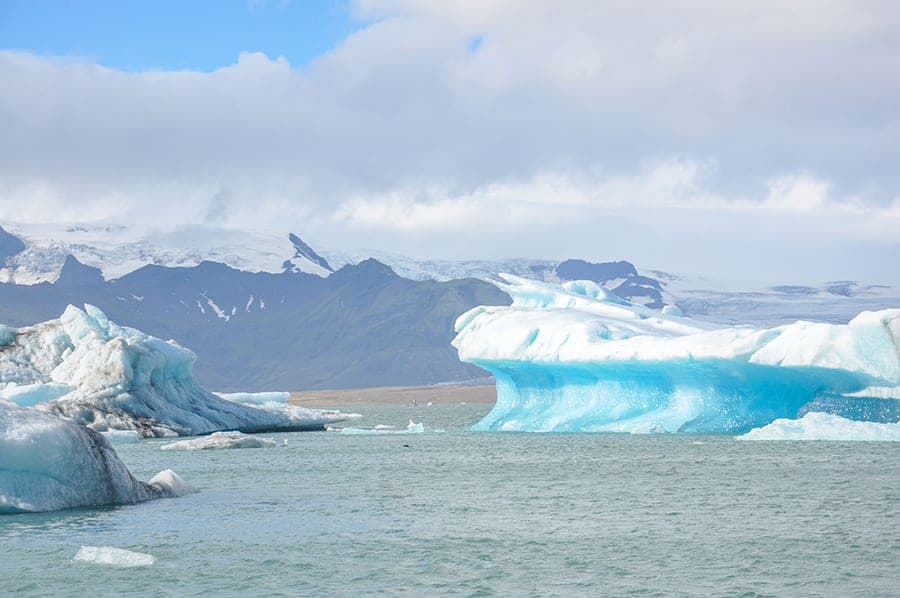
In addition, the volume of glaciers is declining for the fourth consecutive year. For 2023-2025, their cumulative loss amounted to 1,400 gigatonnes – a third of the annual freshwater withdrawal.
In 2025, Europe’s snow cover was below normal, while a number of regions with small glaciers – the Caucasus, Central Europe, western Canada and the United States – may have already reached “peak water,” when runoff from melting is at its highest.
As WMO Secretary-General Celeste Saulo noted, the world is depleting the planet’s “savings account” – the slowly changing water supply that served as a buffer in adverse years.
- The water balance of a river basin depends on what happens in another country. The retreat of a glacier in one country is changing the availability of water for populations hundreds of kilometers downstream. That is why we need shared data, common standards and early warning systems – that is why WMO exists.