
The Exaltation of the Cross: A Feast That Reminds of the Power of Love and the Importance of Trust in God
In 326 in Jerusalem, near the sacred mountain of Golgotha, Queen Helena found the Cross on which the Savior was crucified. Three centuries later, in 629.
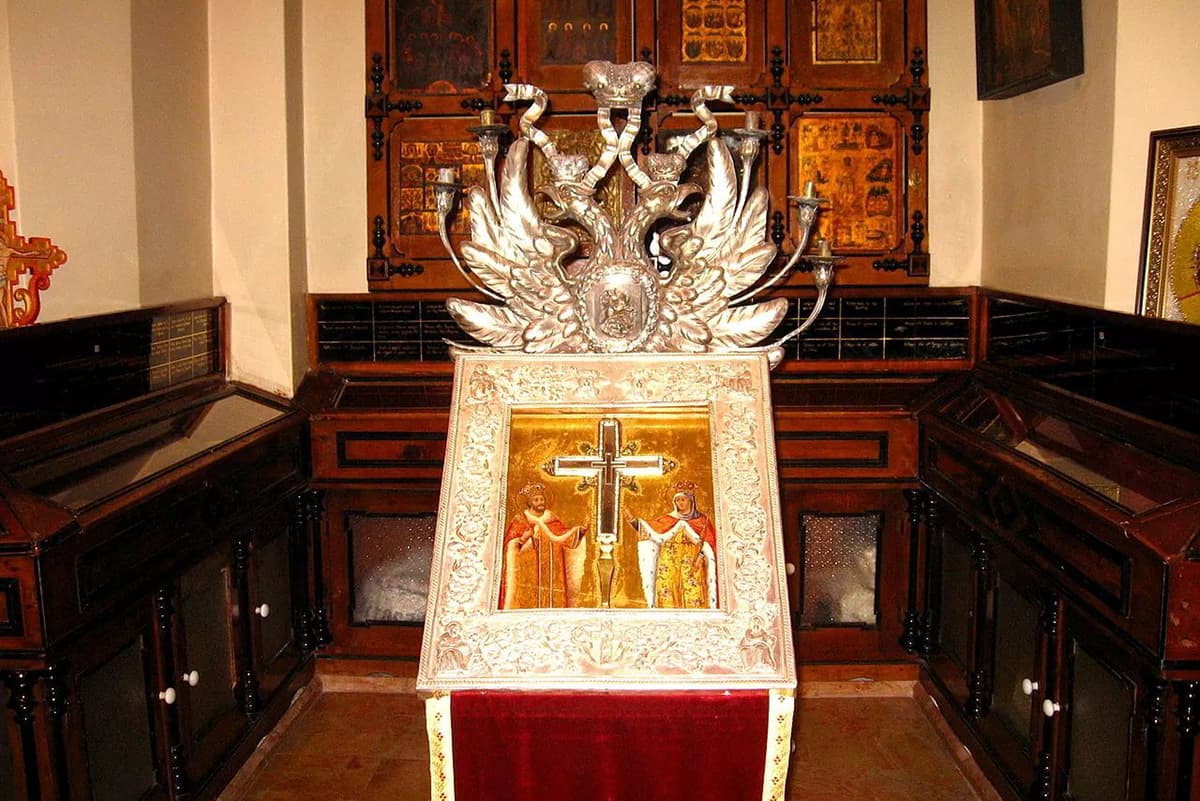
In 326 in Jerusalem, near the sacred mountain of Golgotha, Queen Helena found the Cross on which the Savior was crucified. Three centuries later, in 629, the Byzantine emperor Heraclius returned the shrine from Persia, where it was taken by the conquerors. Both events - the acquisition and return - the Church united in one feast, called the Exaltation of the Honest and Life-giving Cross of the Lord. More about its history and traditions told the clergyman of Holy Trinity Cathedral Slonim priest Nikolai Savitsky.
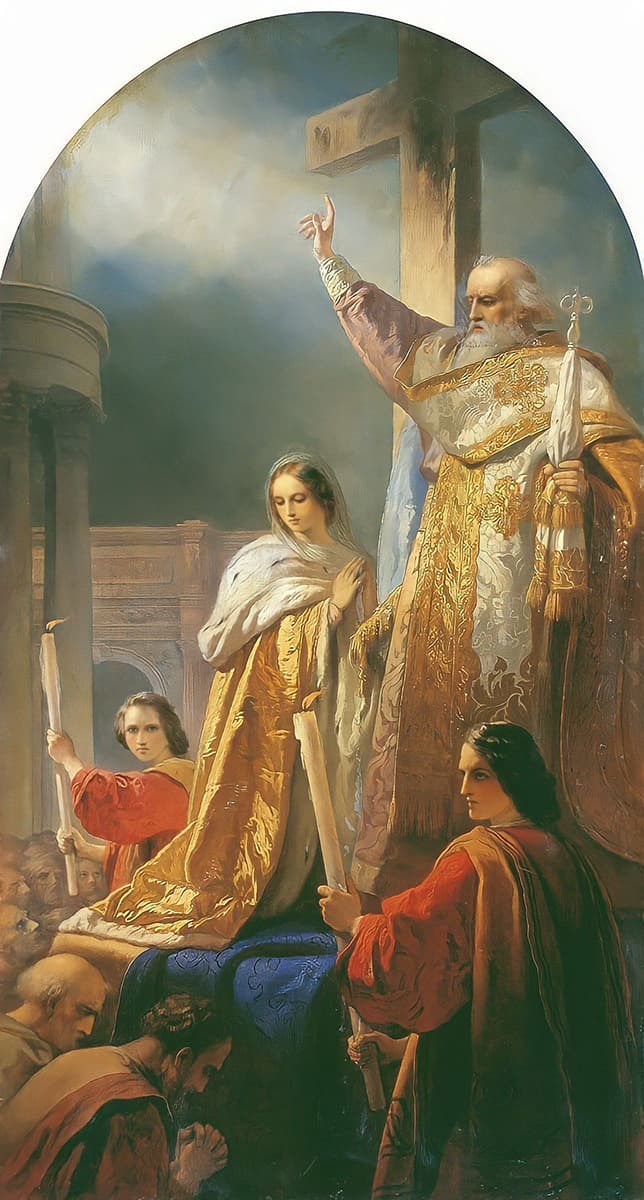
According to church tradition, Queen Helena went to Jerusalem at the behest of her son, Emperor Constantine the Great, to find shrines on the places of the earthly life of Jesus Christ. The date of the Cross is not known, but it is more often attributed to 326. He was buried in the ground where the pagans built a temple. When the cave was dug up, three crosses were found – those on which Jesus and the two robbers were crucified. To determine which of them belonged to the Savior, Patriarch Macarius alternately laid them on a seriously ill woman – she was instantly healed from the touch of the Third Cross. Then, according to legend, the dead were resurrected, to whom the Life-giving Tree was laid.
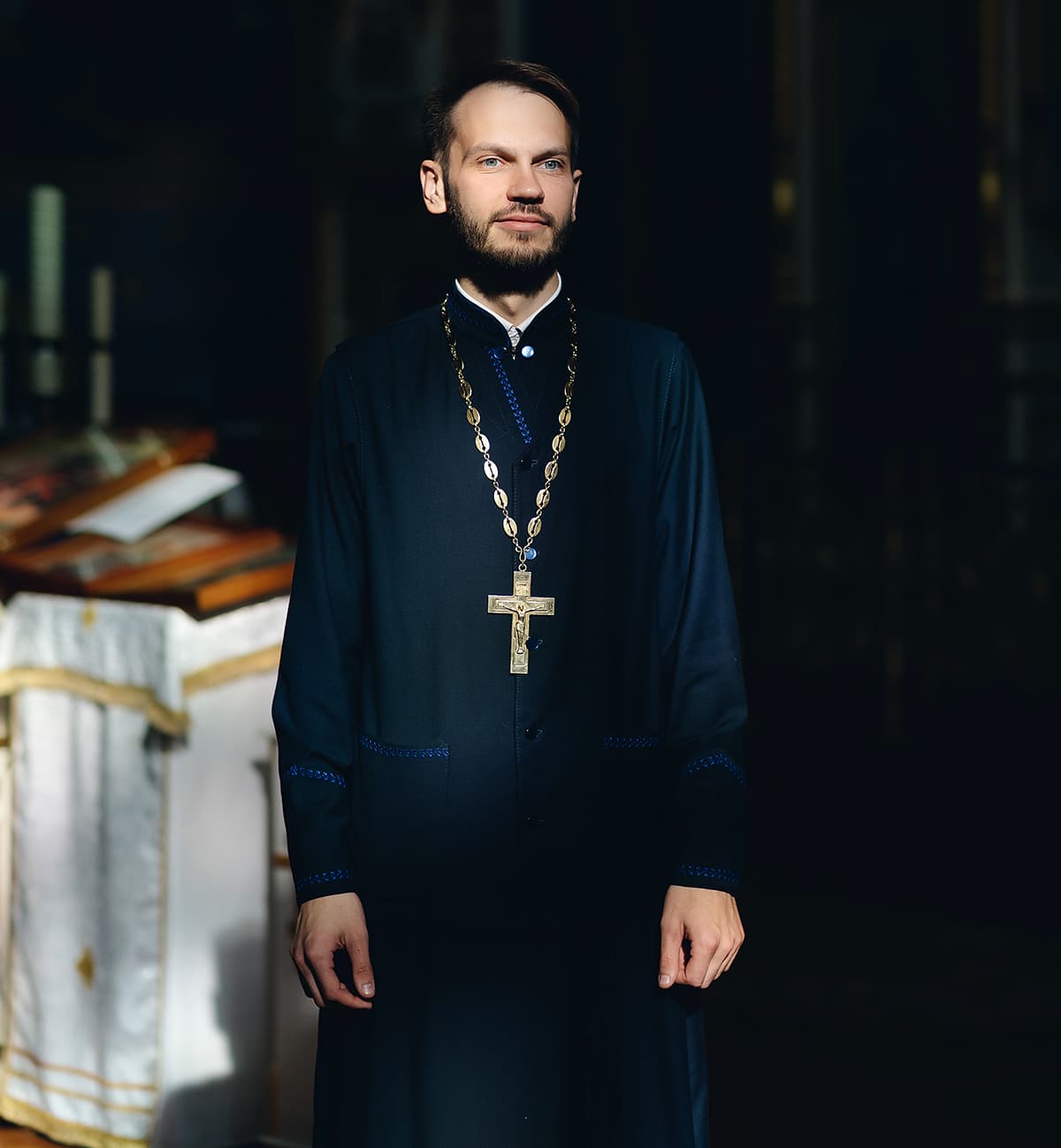
Priest Nikolai Savitsky. Christians, gathered in countless numbers, asked at least from afar to see the shrine. Patriarch Macarius rose to an elevated place and raised the Cross three times - the people, contemplating it, bowed and exclaimed: "Lord, have mercy!" - adds Father Nicholas. In 335 in Jerusalem consecrated the temple of the Resurrection of Christ, the feast of the Exaltation was moved to September 14 in the old style – the 27th according to the new. From the VII century, this day was connected with the memory of the return of the Cross from Persia, where it stayed for 14 years - since 614. In 628, the Greek emperor Heraclius defeated the Persians and returned the shrine to Jerusalem.
It is worth saying that the relic was divided into two parts. One was left in Jerusalem and the other was sent to Constantinople. The history of the Jerusalem fragment ends in 1187, when the Crusaders took it with them to battle Saladin's army. The fate of Constantinople remains in question. According to one version, during the looting of the Byzantine capital in 1204, the Venetians stole it and then resold it. According to another, the shrine was kept in Constantinople until the arrival of the Turks in 1453. According to the third version, the Cross was constantly divided, so its particles can be found in different parts of the world. "Don't avoid your cross" The Exaltation is the twelfth feast dedicated directly to Christ. Worship is not connected with other services: even the memory of St. John Chrysostom is transferred to another day.
- The cross is not just a historical relic or an abstract symbol. This is an instrument of suffering, which became an instrument of salvation, the priest quotes the metaphor. God did not just pity man, He went into the depths of suffering and death to bring each of us to life. The Exaltation reminds us that the way to the Resurrection always lies through the Cross.
According to the father, this holiday is especially important for modern people, because today we are increasingly looking for easy ways:
- We want everything to be fast, comfortable, without pain and effort. But the feast of the Ascension says something else: love is always sacrificial. Christ did not come down from the cross, though he could. He suffered to the end, and that is why his death was a victory. This is the main lesson for us: not to avoid our cross, but to carry it with the trust of God.
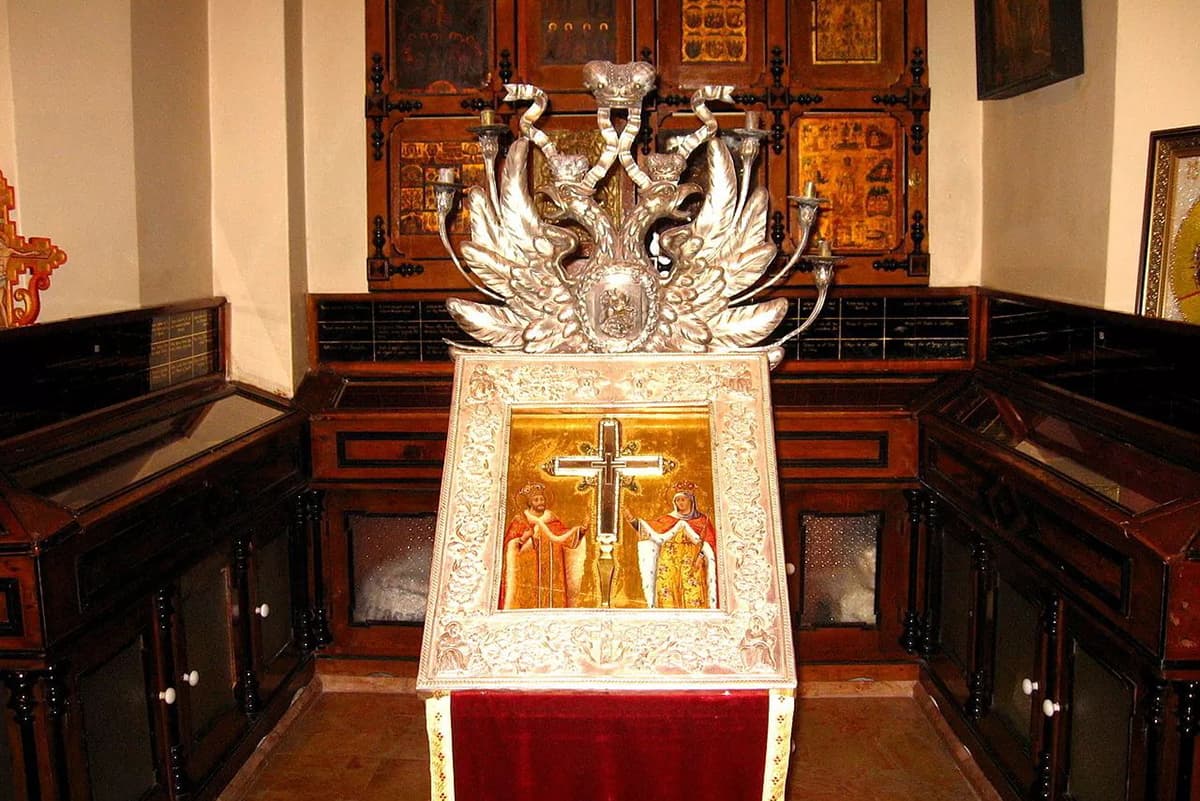
The cross of Christ is the measure of God’s love for man. God didn’t just say he loved us, He proved it by climbing the Cross. And when we worship the Cross, we worship that love. They are called to love in the same way, not by words, but by deeds.
On the day of the feast, the rite of the Exaltation of the Cross is performed in the morning after the great glorification. The cross overshadows the cardinal points five times: east, south, west, north and again east. After each fall, the hundredfold “Lord, have mercy” is sung. The cross remains on the analoe until October 4, the day of the feast, when the priest carries it to the altar.
THEME
Despite the solemnity, strict fasting is observed on the festive day: meat, fish, eggs and dairy products are not allowed. Food can be seasoned only with vegetable oil.
Fasting on this day is not just a "disciplinary requirement." When we give up something familiar, we at least partially understand what sacrifice means. And then the holiday becomes not just a memory of the past, but a living experience.
LIST OF TWIN HOLIDAYS
♦ Christmas - January 7
The baptism of the Lord (Epiphany) – January 19
The Meeting of the Lord – February 15
The Annunciation of the Most Holy Mother of God - April 7
The Entry of the Lord into Jerusalem – Sunday before Passover
The Ascension of the Lord on the 40th day after Easter
Holy Trinity Day (Pentecost) – on the 50th day after Easter
The Transfiguration of the Lord – August 19
The Assumption of the Most Holy Mother of God – August 28
Christmas of the Virgin - September 21
♦ The Exaltation of the Cross of the Lord – September 27
♦ Introduction to the Church of the Virgin - December 4 Conversations about important From September 25 to October 5, the international Orthodox festival "Joy" is held in Mogilev
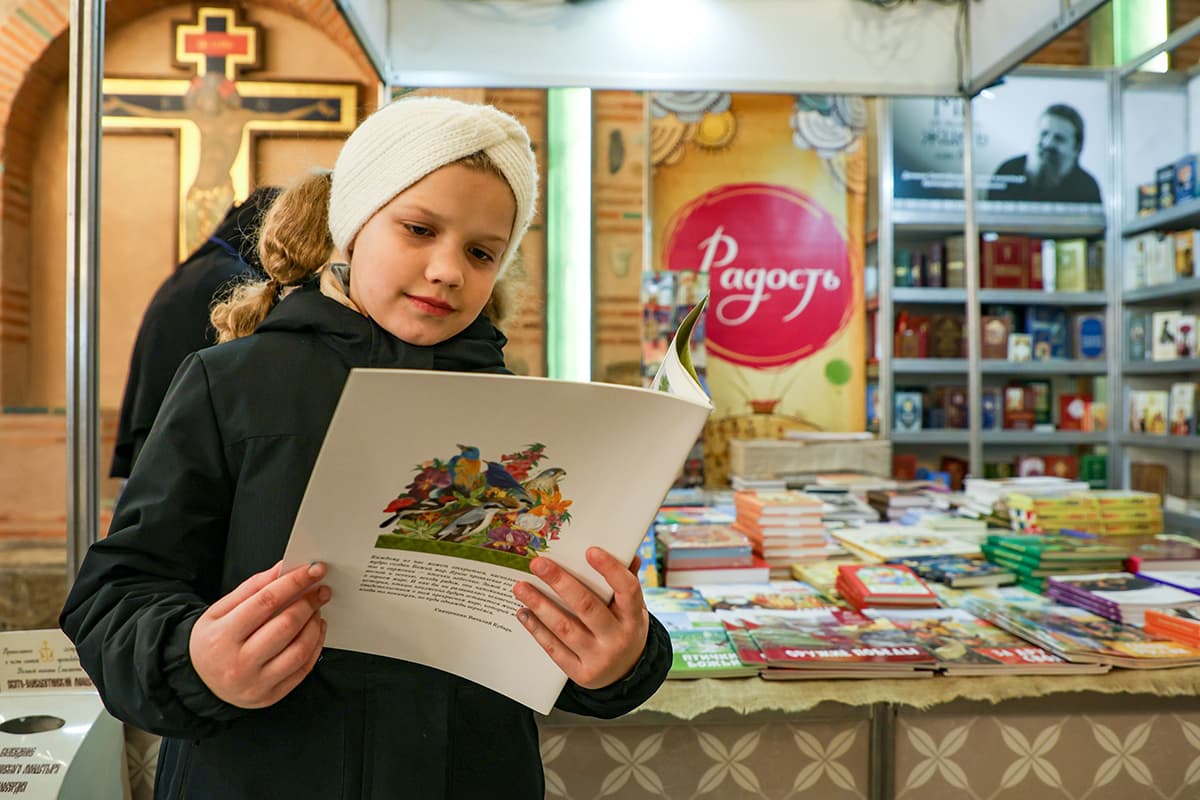
One of the directions of the program will be a cycle of spiritual conversations. On October 1, at 18:00, the clergyman of the Spaso-Preobrazhensky Cathedral of the city of Mogilev, Priest Anatoly Melnik, will hold a conversation “The Relationship of Man and God.” On October 2, at 18:00, the head of the department of missionary service of the Mogilev diocese, Priest Andrei Shavarin, will give a talk “Western influence on the Russian Orthodox Church in the Middle Ages and in modern times.”.