Athens demands the return of ancient sculptures from the British Museum
Greece will not agree to the return of the Parthenon sculptures from the UK if the agreement provides for the recognition of the ownership of the British Museum in antique works of art
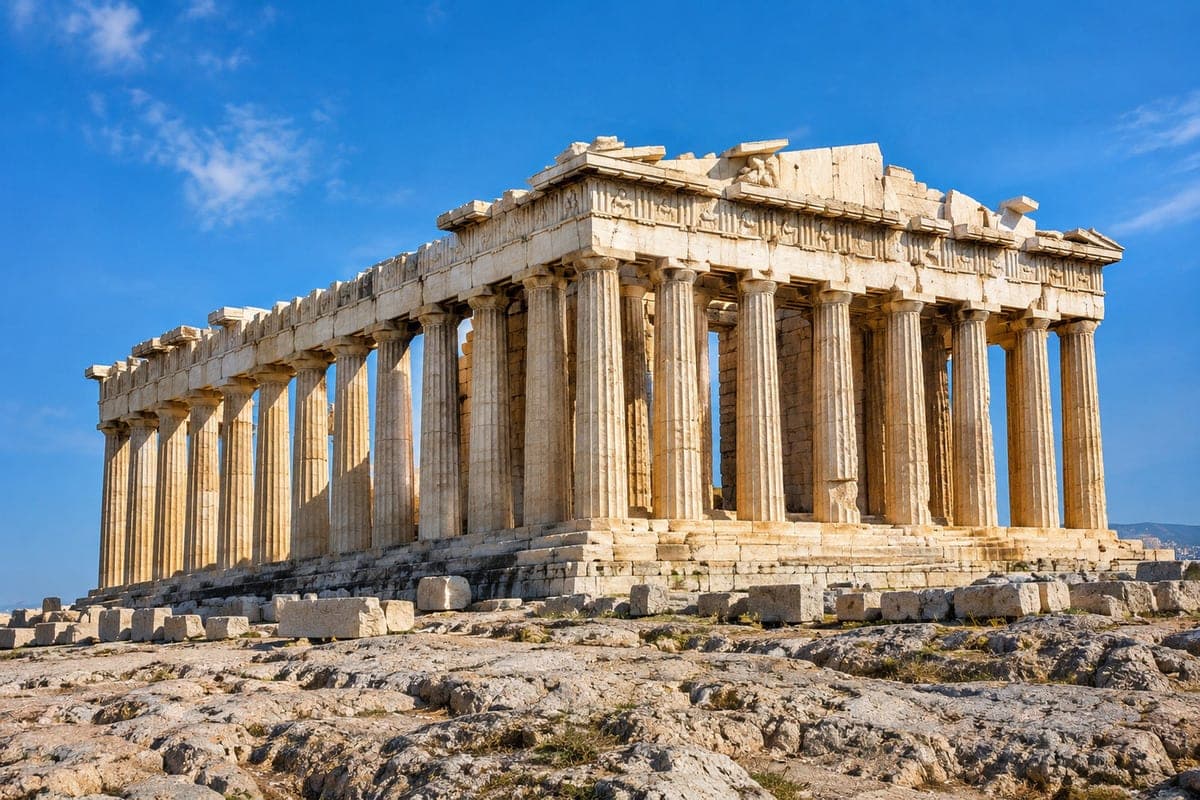
Greece will not agree to the return of the Parthenon sculptures from the UK if the agreement provides for the recognition of the ownership of the British Museum in antique works of art. This was stated by Prime Minister Kyriakos Mitsotakis at the opening ceremony of the restored Old Acropolis Museum in Athens. His speech is quoted by the Kathimerini newspaper.
The head of the Greek government stressed that the issue of marble ownership cannot be the subject of concessions in negotiations with London. Athens insists on the final return of the sculptures and their unification with other elements of the ancient monument.
According to Mitsotakis, the Parthenon was conceived as a single architectural and artistic complex. Therefore, the scattered placement of its sculptural decoration does not correspond to the original plan of the creators of the temple.
The dispute between Greece and Britain has been going on for more than two centuries. A significant part of the sculptures and architectural elements of the Parthenon in the early XIX century brought to the UK British diplomat Lord Elgin. In 1816, the British Parliament approved the acquisition of the collection, after which it was in the possession of the British Museum.
The Greek authorities consider the export of works illegal, since at that time the territory of the country was under the rule of the Ottoman Empire. Athens regards marble as an integral part of its national cultural heritage.
The British Museum takes a different stance. Its representatives claim that Elgin received the necessary permits from the Ottoman authorities, and the acquisition of the collection complied with the legal norms in force at the time.
One of the main obstacles to the settlement of the dispute remains the issue of the conditions for the transfer of exhibits. The British Museum admits the possibility of long-term lease of sculptures, but requires recognition of their ownership.
Greece rejects such an option because it considers it unacceptable to temporarily receive works that should belong to its cultural heritage.
In September 2026, Mitsotakis announced the impossibility of an agreement involving the recognition of the property of the British Museum or the actual design of the sculptures as borrowed exhibits.
British law creates additional difficulties. The British Museum Act of 1963 significantly limits the institution’s ability to permanently transfer items from its collection.
Athens hopes to bring back the marbles and place them together with the surviving elements of the Parthenon in the New Acropolis Museum. The Greek government considers the restoration of the ancient monument as one of the most important national tasks.
Subscribe to MK in MAX. You will always be aware of the latest developments!