“The past can not be turned back”: how Roman Balayan reinterpreted the story of Pushkin
Pushkin lived two centuries ago, but people still make the same mistakes today
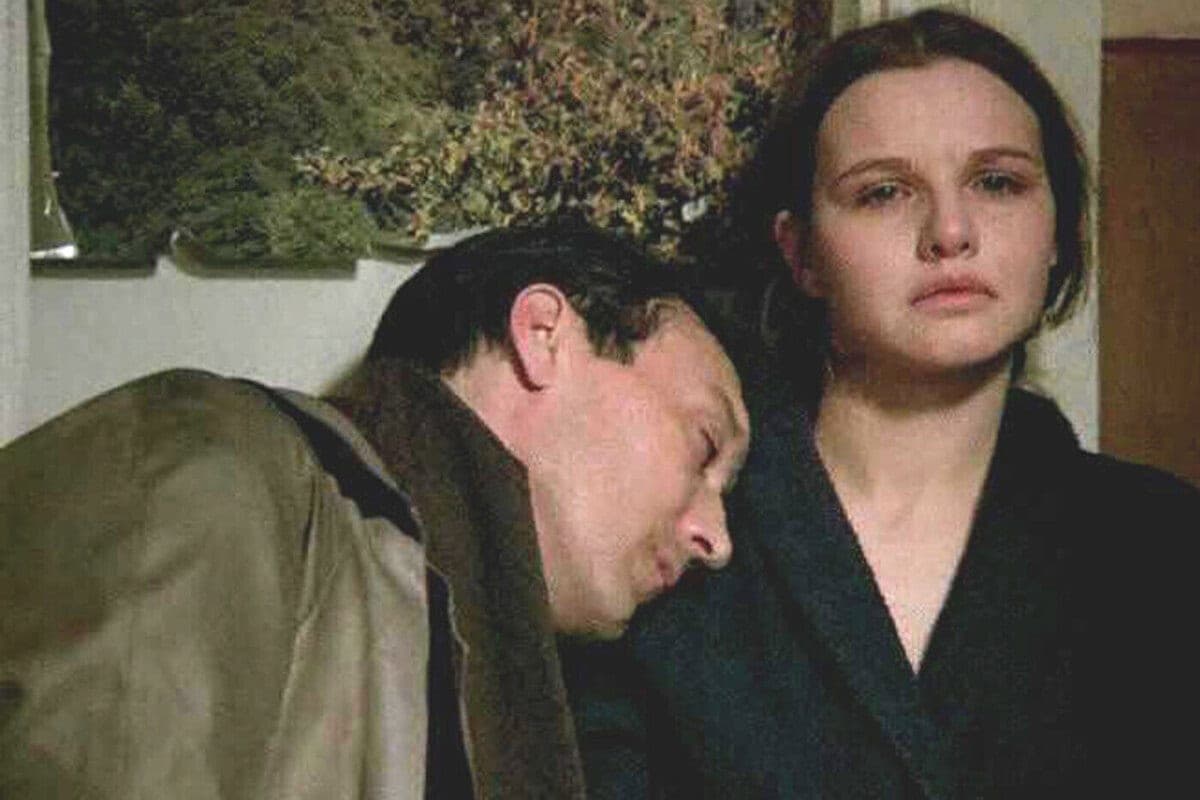
To touch the personality of the great poet Balayan decided in an unusual way. The focus is on journalist Alexei (Oleg Yankovsky) and his wife Tanya (Tatyana Drubich), in whose relationship Dantes interferes - Anatoly Klimov (Alexander Abdulov). The history of Pushkin and Goncharova is repeated in the fate of the heroes, only in modern realities.
The scene in the film is a full-fledged character. We all know how important Boldino was to Pushkin. It was here, during the first Boldin autumn of 1830, that he created a series of “Tales of Belkin”, “Little tragedies” and about thirty lyrical poems! The poet was in the estate because of the quarantine associated with the cholera epidemic. For Alexei Boldino also becomes a place of work: he comes here to prepare a report on the Pushkin holidays.
There are also documentaries in the film. The artistic plot is woven with interviews and performances of the folklore ensemble. Credibility of the film adds the appearances of Bulat Okudzhava and Mikhail Kozakov, who play themselves. Due to this, the artistic plot is adjacent to real events and performances. And the film becomes like a documentary chronicle.
The film begins with the song Bulat Okudzhava “The former can not be returned...” It already has a contradiction that will manifest itself in the history of Alexei. The lyrical hero yearns for a meeting with Pushkin, but also reproaches himself for this longing. A similar feeling arises in the main character. He is drawn to the past, but the connection with him brings not joy, but new suffering.
The key scene is the finale - a failed duel. The hero of Oleg Yankovsky aims at the enemy, but never pulls the trigger. Many people might take this as cowardice. However, the matter is different: Alexei came to the duel not to kill, but to die. There was too much internal torment in him. This is how the main character connects with the poet.