Pskov as a tourist brand: why the region has become a magnet for travelers, but not yet ready for it
Pskov region is a noticeable direction of domestic tourism: ancient fortresses, monastic complexes, Pushkin places and lake shores lead travelers here
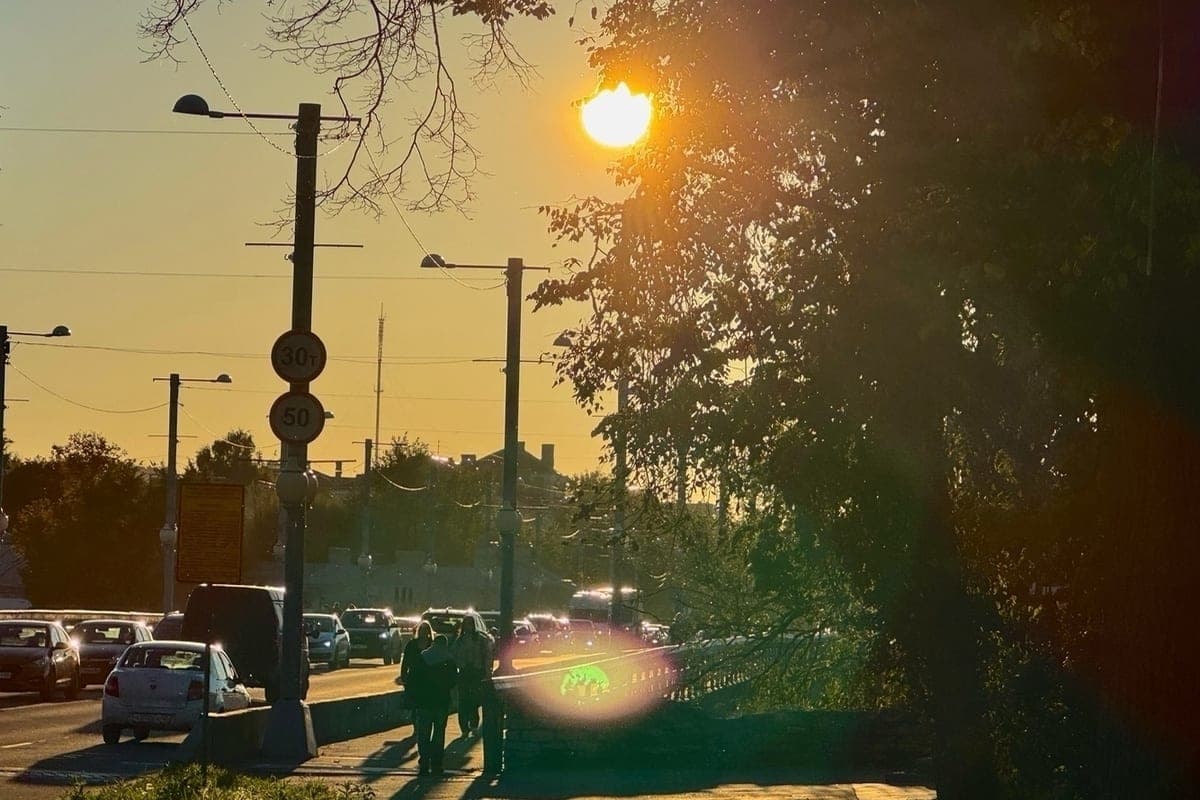
Pskov region is a noticeable direction of domestic tourism: here travelers are led by ancient fortresses, monastic complexes, Pushkin places and lake shores. However, sustainable tourist flow depends on roads, accommodation facilities, guides, navigation and seasonal programs.
What resources of the region are already involved and what restrictions prevent you from connecting the well-known points of attraction in long routes in the Pskov region, analyzes “MK in Pskov”.
Pskov region is located in the south-west of the North-Western Federal District. The region borders Estonia, Latvia and Belarus, and this neighborhood has shaped trade and pilgrimage routes for centuries. Pskov, first mentioned in the chronicle under the year 903, stands at the confluence of the rivers Velikiy and Pskov. Krom, the fortress core of Pskov, remains the ancient heart of the city and the main architectural landmark. Events of different periods fixed for Pskov the image of a stable city. For example, in 1581-1582, the troops of the Polish king and the Grand Duke of Lithuania Stefan Batory besieged Pskov, but could not take it by storm.
Military glory is not the only asset of the Pskov land.
Within the walls of the Mirozh Monastery there are frescoes of the XII century – paintings whose rare artistic language continues to sound through the centuries, leading a silent dialogue with the modern spectator. Here art appeals directly to descendants.
Silent conversation with the past is continued in the Pskov-Pechersk monastery, founded by monks in 1473. The monastery opens a different, but no less expressive facet of heritage: pilgrims and tourists are greeted by mysterious caves, majestic temples and impregnable walls, woven into a single monumental ensemble of amazing power.
See the photo gallery on the topic
Izborsk, a village in the Pechora district of the Pskov region, located about 30 kilometers west of Pskov, opens the region not with a front, but with a border side. The fortress and Truvorovo settlement link military history, archaeology and landscape into a single space.
See the photo gallery on the topic
The cultural map of the region gives a lyrical dimension to the Pushkin Mountains. The name of the great poet here does not remain a formal line: in Mikhailovsky Alexander Pushkin spent the years of exile 1824-1826, and in the Svyatogorsk monastery there is a family necropolis of the Pushkins. The literary route also gives the region a quiet but enduring glory: it leads not only to memorial dates, but also to the cultural meaning of the place.
The heritage of the region is also not exhausted by the Pushkin Mountains: behind the lyrical page the water map of the region - the Peipskoye and Pskov lakes - is revealed. They expand the geography of impressions to open horizons. Coasts, fishing villages and summer beaches give family travelers a reason to stay longer.
Tourism affects not only the attendance of museums and historical monuments, but also the economy of the region. Travelers need transport, accommodation, food, excursions and souvenirs, so tourist demand supports the work of hotels, cafes, local farms and craft workshops.
The figures confirm the status of a magnet: in 2025, the region received more than 550 thousand tourists and more than 2.5 million tourists. The gap between these categories shows the potential: millions of people come for the day but don’t stay overnight, leaving money in neighboring regions or saving on service.
See the photo gallery on the topic
At the same time, the development of the industry depends not only on the interest of travelers. The main barrier to a full-fledged route is logistics. In the regional state program “Development of tourism in the Pskov region”, the high cost of the transport component is named among the factors that constrain the development of tourism.
Pskov region unites monuments of ancient Russian architecture, monastery ensembles, literary places and lake landscapes. Pskov, Izborsk, Pechori, Pushkin Mountains, Gdov and Island allow you to build a journey that reveals different aspects of the history and culture of the region.
In September 2025, the regional government reported that more than 15 regional routes in the Interseason section were published on the national tourist portal “Travel.rf”. They cover cultural, educational, ecological, scientific, industrial, patriotic and rural tourism. Among the offers are a visit to farms and apple orchards, acquaintance with the history of linen production, the culture of the Seto people and traditional crafts.
For a region with attractions located in different settlements, not only the state of roads is important, but also the availability of public transport, clear navigation and up-to-date information about the operation of museums and excursion facilities.
The historical center of Pskov received a new life in the tourist complex “Meyer Quarter”, which opened in July 2025. It is housed in restored historic buildings adapted for modern use and combines hotel rooms, a guest house and public spaces.
In July 2026, the Aparthotel "Vek-Tour" began to receive guests in the Island. According to the regional government, it has 20 rooms; the complex has a restaurant, laundry and ironing rooms.
Seasonality is equally important. In summer, trips can be combined with walks in nature and rest by the water, and in the cold season, museums, excursions and cultural events support interest. Placement of regional routes in the "Interseason" section on the "Travel.rf" portal is one of the ways to expand the offer outside the summer season.
Historic monuments are made clear by people who can explain their meaning. The story of the guide helps to see beyond the walls of the Izborsk fortress the history of the border, and behind the frescoes of the Mirozhsky monastery - the uniqueness of the artistic heritage of the XII century.
See the photo gallery on the topic
In February this year, the government of the Pskov region approved a program for the development of human resources in the field of tourism for 2026-2030. According to the document, in the 2025/2026 academic year, 443 people were trained in the relevant areas in regional educational organizations, and in 2025 58 specialists graduated. The forecasted need of the labor market for specialists in the tourism sector for 2026 was estimated at 170 people. From the work of such popular professions as a cook, waiter, maid, waiter assistant and dishwasher depends on whether the tourist will return.
Another area is the professional certification of guides. In September last year, the regional authorities reported that more than 230 specialists were registered in the register of guides and guides-interpreters. The Ministry of Tourism conducted certifications and control visits to municipalities.
The quality of the tourist service consists of the work of the entire team: guides, museum staff, administrators and hotel employees. Their professionalism affects how comfortable and meaningful the trip will be.
The Pskov region already has a recognizable historical and cultural basis: Pskov Krom, ancient monasteries, a fortress in Izborsk and places associated with the life and work of Alexander Pushkin. It is complemented by cultural events, literary meetings, festivals and craft fairs.
In January 2026, the regional government reported on the development of the event calendar and seasonal tourism brands. Among them - the winter project "Pskov - the birthplace of Christmas" and the project "Pskov holidays", which at that time was in development.
Another way to experience the region is through local gastronomy. Fish from lakes, berries, cheeses and products of small farms complement the tourist route and give an opportunity to learn the everyday culture of the region. Gastronomic offers and visits to local productions are also included in the routes published on the Travel.rf portal.
Pskov region has a significant historical and cultural heritage and attracts hundreds of thousands of tourists and millions of tourists. The region expands the network of routes, develops hotel infrastructure and pays attention to the training of specialists. At the same time, the state tourism development program points to the high cost of the transport component as one of the factors limiting the development of the industry.
Further growth depends on how coherently the main elements of the tourist system will work: transport, accommodation, excursion services and information navigation. For a traveler, not only the sights themselves are important, but also the opportunity to get to them without unnecessary difficulties, find out the conditions of visiting and plan expenses.
Pskov region already has a substantial basis for the development of tourism. The main task is to make acquaintance with its history, culture and nature convenient and consistent, so that individual attractions form a full-fledged route, and tourist interest benefits not only large objects, but also local businesses and communities.
The Pskov region does not need to prove its historical viability: it is confirmed by stones, chronicles and names. The task is more difficult – to turn the heritage into an everyday tourist product, for which the guest pays time and money. If the region focuses on roads, accommodation, navigation, personnel and seasonal programs, tourism will become a work industry, not just a memory showcase. If not, Pskov risks remaining the site of one short trip, and the region will lose repeat visits and economic effect.