Abrasions, punctures, stains: what banknotes can be safely used
Each of us faced a situation when he was not accepted when paying for goods or services in cash glued or slightly torn cash bill
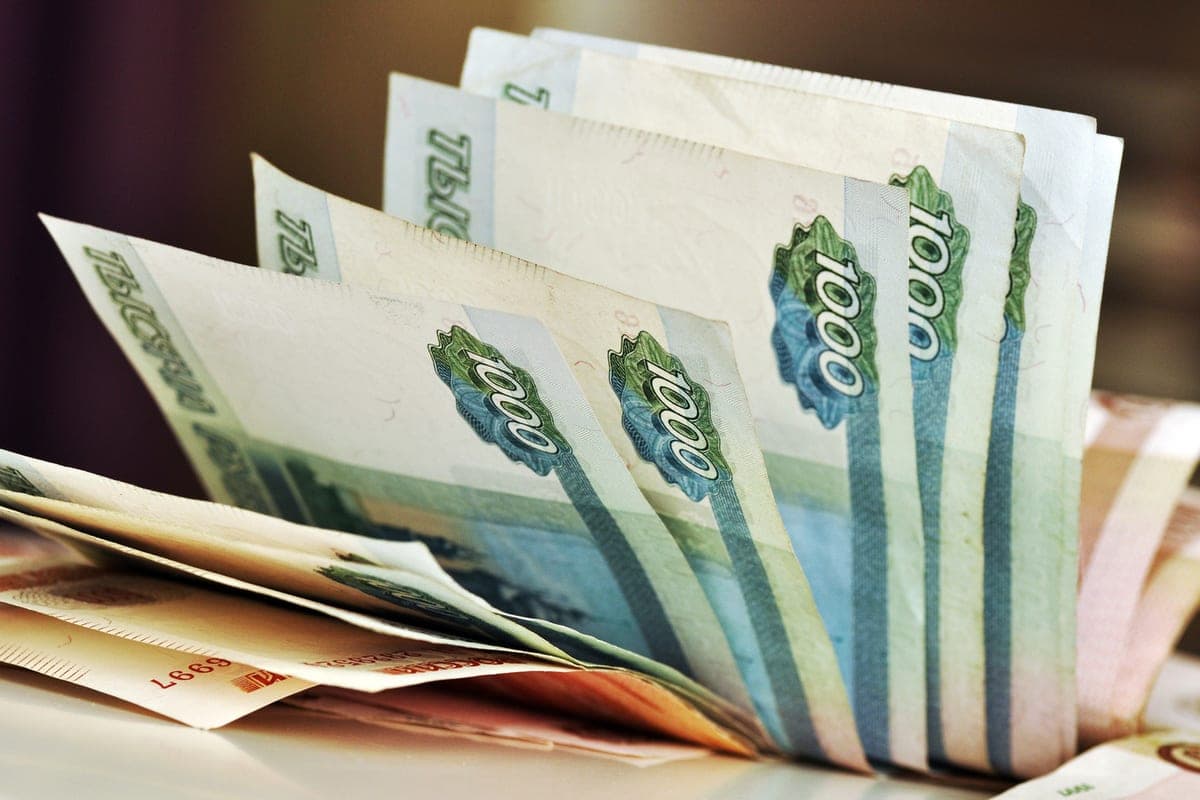
The MK correspondent also did not accept a 500-ruble bill taped in the dining room of one organization the other day. The comrade who observed all this demanded to accept it, but the cashier flatly refused. Good thing the problem bill was swallowed by a vending machine without thinking at all, so I did boil it.
- Buyers often face a situation, as you described, if the banknote is torn, badly dented, it has stains or foreign inscriptions. However, not every damage to banknotes is a legal basis for refusing to pay for the purchase, explains Associate Professor of the Department of International Commerce and Logistics of RANEPA Candidate of Economic Sciences Svetlana Ilyashenko.
The main document regulating this issue is the Bank of Russia Ordinance of December 26, 2006 No. 1778-U "On signs of solvency and rules for the exchange of banknotes and coins of the Bank of Russia". It defines in detail which banknotes are considered solvent, and which must be exchanged in the bank.
- What are the imperfect banknotes the store should accept?
- First of all, the cashier does not have the right to refuse to accept the bill just because it looks old or unpresentable. According to paragraph 1.1 of this Instruction, including contaminated, worn and damaged banknotes are recognized as solvent. Rubbing, small holes, punctures, stains, foreign inscriptions, stamp impressions and the absence of corners or edges are allowed. Such money can be used to pay for goods and services as long as it remains a legal tender and has no signs of forgery.
- How badly does the bill have to be damaged so that it is not accepted?
- If the bill is torn into several parts and glued, severely burned or lost a significant part of its area. Such banknotes can be exchanged at the bank, but the store is not obliged to accept them as payment.
It is important to consider the degree of damage. If at least 55% of the original area of the banknote is preserved, it can usually be exchanged at par, subject to other requirements of the Bank of Russia. The exchange is free of charge.
The legal grounds for refusal are also signs of forgery, the absence of the banknote status of legal tender. Not accepted as payment banknotes with specially made inscriptions "Sample" or "Test".
Separately, Svetlana Ilyashenko stressed that the store cannot establish its own rules for accepting cash that contradict the requirements of the Bank of Russia. For example, an announcement at the checkout that stained or stained bills are not accepted has no legal effect in itself. The decisive factor is not the appearance of the banknote, but its solvency.
- If the banknote meets the requirements established by the Bank of Russia, the cashier is obliged to accept it. If the buyer is unreasonably denied payment, he has the right to contact the store administration, and if necessary, with a complaint to Rospotrebnadzor, the associate professor noted.
What can be done if the cashier flatly refuses to take a bill that is quite good?
- First, you should invite the administrator and find out the reason for the refusal. If the bill has the features described above (worn, contaminated, torn, etc.), such damage in itself does not give grounds to refuse payment. Reference can be made to paragraph 1.1 of the Ordinance No. 1778-U and paragraph 1 of article 16.1 of the Law "On Protection of Consumer Rights". This, let me remind you, refers to a genuine banknote that retains the status of legal tender.
If the administration continues to refuse, you need to record the state of the bill (take a picture or take a video), the address of the store, the date, time and explanation of employees, then send a written claim to the seller and a complaint to Rospotrebnadzor. A photo of the banknote and a recording of the conversation in which the buyer is a participant will help confirm the circumstances. Rospotrebnadzor is considering appeals for unreasonable refusal to accept solvent money.
However, the economist noted that the complaint, of course, will not solve the issue of purchase immediately. Therefore, the advice is this: if you fail to agree, you can ask to postpone the goods, go to exchange the banknote in the nearest branch of the bank with the cash register and return. Or use another available payment method.
- If the banknote is significantly damaged and relates to banknotes subject to exchange, the refusal of the store is legitimate. The absence of other money from the buyer does not oblige the seller to accept it - you must first contact the bank.
- Is it possible to exchange a badly damaged banknote at any bank?
- The consumer can independently apply to any bank that conducts transactions with cash. Simply put, you need to choose a department with a cash register. Being a customer of this bank or opening an account in it is not required. Credit institutions accept damaged banknotes from all individuals, and the exchange is carried out free of charge, without limiting the amount.
However, I would like to stress once again that not every broken bill can be exchanged. For example, a banknote that has lost a significant fragment, as I said, must retain at least 55% of its original area. If it is glued together from parts, the fragments, unconditionally belonging to one banknote, must together constitute not less than 55% of its area.
If the bank teller can determine that the banknote is subject to exchange, the money will be issued immediately. If there are doubts, the bank is obliged to accept it for referral for examination to the Bank of Russia. And the buyer must be given a copy of the certificate of accepted banknotes. With a positive result of the examination, the amount will be issued in cash or credited to the account.
The conclusion is this – know your rights and demand compliance with the law, if you do not want to take only slightly contaminated or with a corner of money.