“Signal to reduce tensions”: experts assessed the impact of the “diesel deal” on the ruble
The dollar rate set by the Central Bank on Tuesday, October 13, amounted to 83.91 rubles
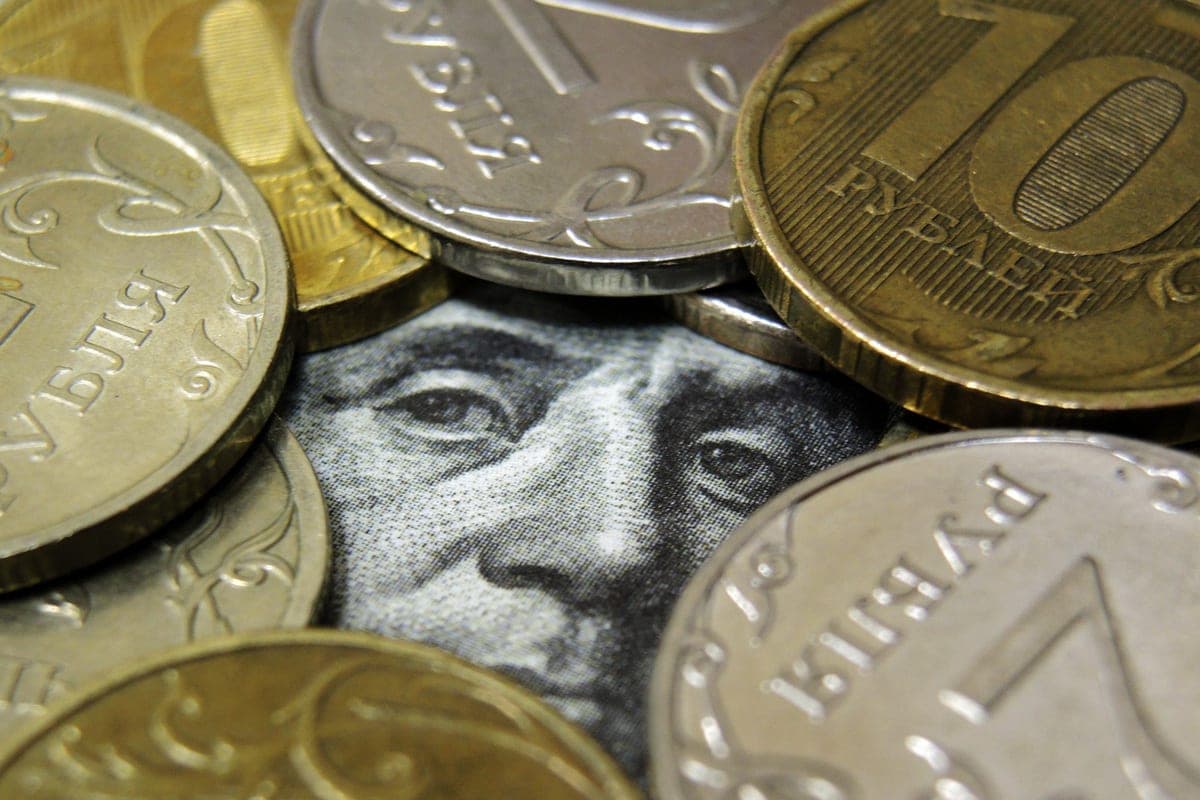
In theory, the agreement on the supply of diesel (300 thousand tons immediately, another 500 thousand tons in November and 1 million tons immediately after) means an increase in exports of Russian oil refining and, accordingly, foreign exchange earnings. Coupled with the temporary easing of sanctions (for fuel payments), this is perceived by the market as a positive signal. Well, the very fact of direct agreements between the United States and Russia somewhat reduces the geopolitical risk premium, which was laid by investors in Russian assets due to tough sanctions pressure and drone strikes on oil refining facilities.
However, although the deal improved foreign policy expectations, causing some euphoria at the Moscow Exchange, the strengthening of the ruble does not look like a long-term trend. It is obvious that the pressure on the national currency will continue to have record daily purchases of foreign currency by the Ministry of Finance in the framework of the budget rule (about 12 billion rubles a day), as well as maintaining high inflation in the country. We asked experts to comment on the current situation and forecast the ruble exchange rate for the foreseeable future.
Denis Astafiev, head of fintech platform SharesPro:
News of the diesel deal could have supported the ruble as the market sees it as a signal of a potential reduction in tensions between Russia and the United States. In this sense, it is acceptable to talk about reducing the geopolitical premium: investors put less risk into the course. But it is impossible to accurately determine the contribution of what is happening to its dynamics. Positive expectations can move the exchange rate quickly, while in themselves do not mean an increase in foreign exchange earnings or a wide removal of restrictions.
Sustainable strengthening requires real economic foundations. First of all, it is the supply of currency from exporters, restrained demand from imports and the corresponding monetary conditions. Prices and volumes of exports, terms of receipt of payment and the need for foreign currency for external settlements are of real importance. If the agreements on fuel lead to additional export revenue and its sale in the domestic market, the ruble will receive more stable support. Further movement towards the threshold of 80 per dollar is possible if positive expectations are supported by concrete decisions and currency inflows. However, it is too early to conclude that the dollar will continue to lose its position. If the actual result is more modest than expected or the demand for the currency grows, part of the achieved ruble can quickly lose.”.
Natalia Milchakova, lead analyst at Freedom Global:
Short-term news about the future diesel deal did push the ruble up. However, as the deal progresses, many questions arise as to whether it will be thwarted by third-party interference. Everything is possible – from attacks on tankers with Russian oil products to new sanctions, including from the United States itself, where some congressmen demand from President Trump clarification whether this deal violates sanctions policy (including the recently adopted and signed by the head of the White House law on duties against importers of Russian energy). Because of the generally difficult geopolitical situation, Black Swans can “fly” into the Russian economy at any time.
The ruble exchange rate remains extremely volatile – for several reasons. First of all, the situation in the geopolitical plane is characterized by high uncertainty: the European Union has just approved a new sanctions package against Russian business and already announces the start of work on the next package, which is expected to be ready in January 2027. There is still an element of uncertainty around the meeting of the Central Bank on October 23, since it is not yet clear whether the board of directors of the regulator will leave the key rate unchanged again or return to its reduction. Finally, contradictory macroeconomic indicators give additional nervousness to the ruble exchange rate, primarily published and expected data of Rosstat on inflation, as well as data on inflation expectations.
The only constraining factor from the entire list is the activity of exporters selling currency: it is she who has not yet allowed the dollar to rise to the level of 90 rubles and above. At the same time, a number of circumstances are working to further weaken the ruble: this is the increase in the volume of foreign currency purchases by the Ministry of Finance in October within the framework of the budget rule, and the increase in demand for currency from importers, including against the background of upcoming November and New Year purchases. The impact of oil prices on the ruble exchange rate in a direct form has almost disappeared: the link between quotations and the exchange rate is implemented mainly through the mechanism of the budget rule. Apparently, until the end of October, the dollar will be in the range of 82-88 rubles.”.