The season of SARS and flu begins: do you know the main rule of protecting immunity in the cold season?
With the onset of October, the seasonal rise of acute respiratory infections begins, which, according to the forecasts of the Ministry of Health, will last until April, and the peak incidence ...
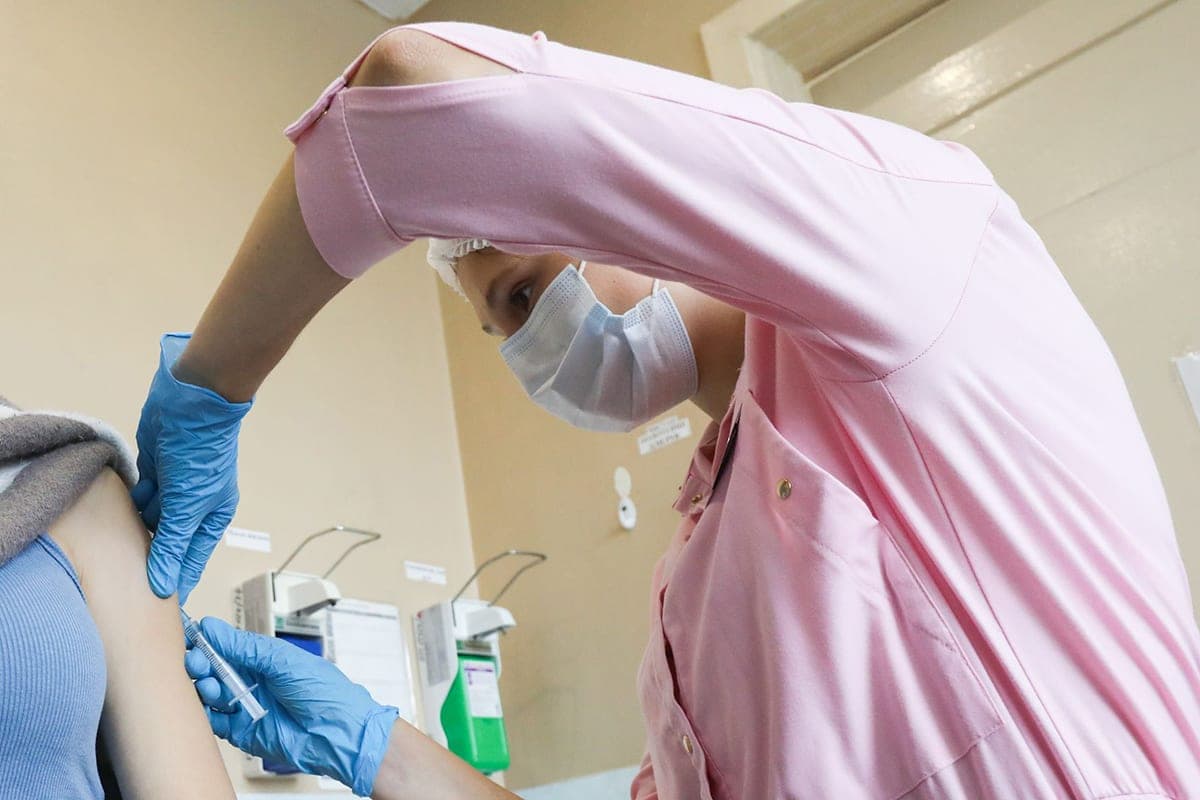
With the onset of October, the seasonal rise of acute respiratory infections begins, which, according to the forecasts of the Ministry of Health, will last until April, and the peak incidence of influenza will be at the end of January - early February. To reduce the risk of serious complications, mass vaccination will begin in early October. Vaccination remains the main measure of protection, especially for people at risk. At the same time, epidemiologists expect that in the new season, the H1N1 influenza virus will become dominant, which will replace last year's H3N2.
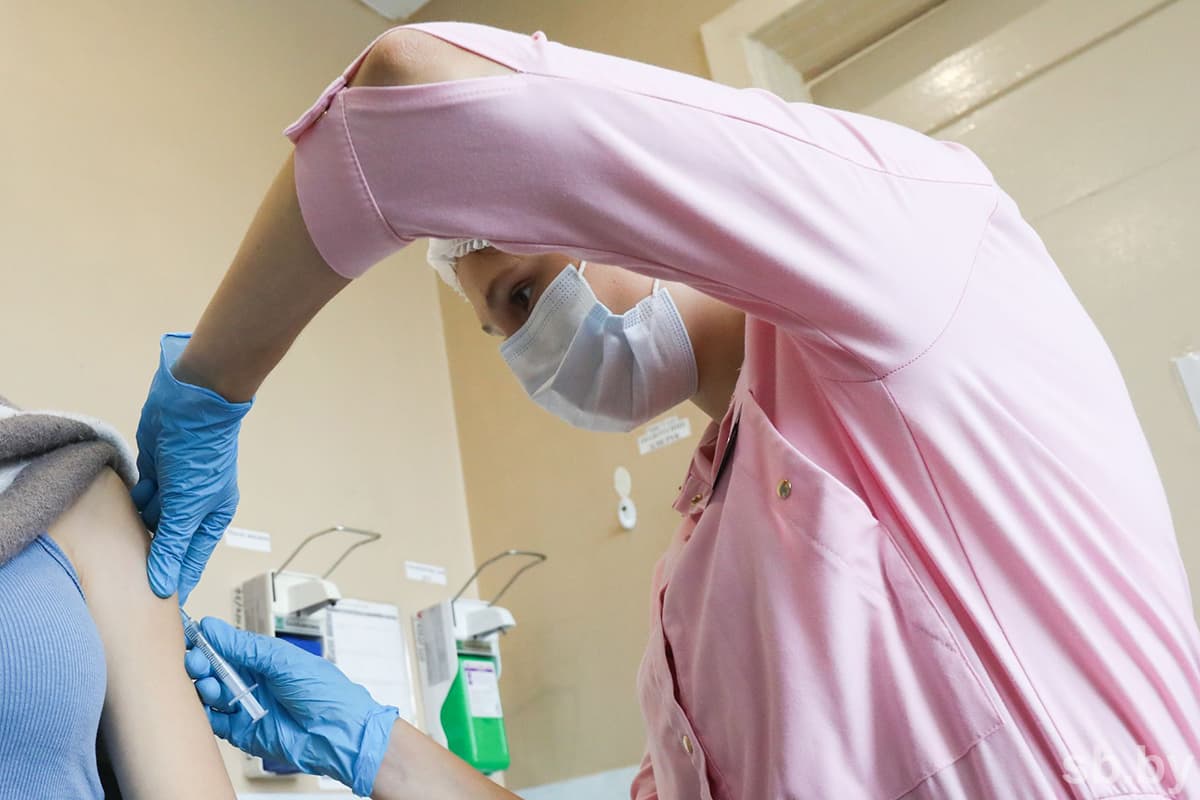
Mass vaccination against influenza will start in early October. The optimal time for protection is October and November: immunity is formed on average for 2-4 weeks, the vaccination made during this period provides protection to the beginning of the seasonal rise in incidence. If you do not have time to get vaccinated in advance, this can be done in December and even in January, but with a calm epidemiological situation. With late vaccination, there is a risk of getting sick before the formation of immunity, which often leads to erroneous accusations against the vaccine.
Inna Karaban, Head of the Department of Hygiene, Epidemiology and Prevention of the Ministry of Health, stressed: Vaccination remains a key means of preventing complications of influenza. It does not prevent the disease itself, but reduces the risk of severe consequences. Monitoring of hospitalizations annually confirms that patients with complications, including post-influenza pneumonia, are most often unvaccinated.

Inna Karaban. Among the most common complications of influenza is the addition of bacterial infections, especially pneumococcal. Thus, vaccination indirectly reduces the incidence of bacterial infections and reduces the need for antibiotics, which is important in the context of increasing antibiotic resistance. Vaccines are safe and approved from the age of six months. Among the few contraindications is an allergy to chicken protein, since the drugs are grown on chicken embryos and may contain trace amounts of it. Vaccination is also not carried out during the period of acute or exacerbation of chronic diseases.
The main groups for vaccination remain the same: children from 6 months to 3 years old, adults with chronic diseases, people over 65 years old, pregnant women, as well as medical and pharmaceutical workers, employees and guests of institutions with round-the-clock stay, employees of public administration bodies. Vaccination will be carried out with the same drugs as last year, including the use of paid services.
At the moment, the situation with the incidence remains calm and corresponds to the interepidemic period. The seasonal rise in acute respiratory infections traditionally begins in October and continues until April. During the same period, an increase in the incidence of influenza is recorded. The forecast for the upcoming season so far coincides with previous years: the main peak is expected in late January - early February. However, earlier cases are possible, as new strains of viruses will be in circulation.
There are more than 200 viruses that can cause respiratory infections. Particular attention is paid to influenza, since its causative agent is highly variable and can provoke epidemic booms and pandemics. Since the 1970s, three influenza viruses have circulated simultaneously in the human population: H1N1, H3N2 and B. Their activity varies from season to season, said the head of the laboratory of influenza and influenza-like diseases of the Research Institute of Hygiene, Toxicology, Epidemiology, Virology and Microbiology of the Likan Center for Hygiene, Epidemiology and Public Health Natalia Shmeleva:

Natalia Shmeleva. In the past epidemic period, the country was dominated by the H3N2 virus, which appeared in the fall, but caused an increase in the incidence in the traditional timeframe: in late January and February. At the end of the season, the B/Victoria influenza virus was circulated. Taking into account the active circulation of H3N2 last year, experts assume that in the new season its activity will be lower, and the H1N1 virus will become dominant. Influenza B viruses tend to turn on by the end of the season and form a second wave of incidence in late winter and spring. Only the B/Victoria line is currently in circulation.
Vaccines used this season contain three or four components. Depending on this, they are divided into three- or four-valent. But there is no difference in relevance: the strain composition is identical, and the difference lies only in the number of viruses included. And three is enough, because it circulates so much.
With the beginning of the school year, the number of hospitalizations diagnosed with SARS is growing. The flu is not fixed yet. Its appearance is expected later, but already now doctors are faced with severe cases of respiratory viral infections complicated by pneumonia, said Svyatoslav Velgin, deputy chief doctor for the medical part of the City Clinical Infectious Hospital of Minsk:

Svyatoslav Welgin. Among the pathogens there are atypical forms familiar from previous years, including mycoplasma and chlamydial pneumonia. Do not treat respiratory infections lightly. With the appearance of shortness of breath, hemoptysis, severe cough and other alarming symptoms, it is necessary to consult a doctor in a timely manner and undergo an X-ray examination. Particular attention is paid to risk groups in which the complicated course of influenza is more common. Their vaccination remains a key focus of outpatient clinics.
Since the third week of September, the number of appeals to children's clinics due to respiratory diseases has traditionally increased. After a long summer vacation, children return to enclosed rooms, where the active exchange of viruses and microflora formed in family foci begins, said Anna Kotova, chief doctor of the 6th city children's clinical clinic:
- While organisms fail to adapt and develop herd immunity, an annual increase in the incidence of respiratory infections is recorded. In this situation, it is important to remember the basic measures of protection, which are usually combined under the concept of a healthy lifestyle. We are talking about a complete diet corresponding to the age of the child, with enough protein necessary for tissue renewal and the formation of immunoglobulins. Nutrition should be balanced, with the obligatory inclusion of vegetables and fruits. Regular physical activity plays an important role.

Anna Kotova. Equally important are the conditions in which children live at home. It is necessary to regularly ventilate the premises, and with the beginning of the heating season - use humidifiers or other household methods of maintaining humidity. This helps prevent microcracks of the nasal and nasopharyngeal mucous membranes, which can become entrance gates for viruses and bacteria.
Parents of young children during the seasonal rise in the incidence are advised to avoid visiting public places and give preference to walking in the fresh air. Children should be taught regular hand washing, observance of respiratory etiquette, proper care in case of illness. It is important to explain how to sneeze, how to clean the nasal passages, using disposable paper wipes, so as not to create adverse conditions for others in the class or group.
THEME
For the prevention of coronavirus infection, it is recommended to vaccinate risk groups: adults with immunosuppression, people over 60 years old, employees and guests of institutions with a round-the-clock work regime.
basikirskaya@sb.by