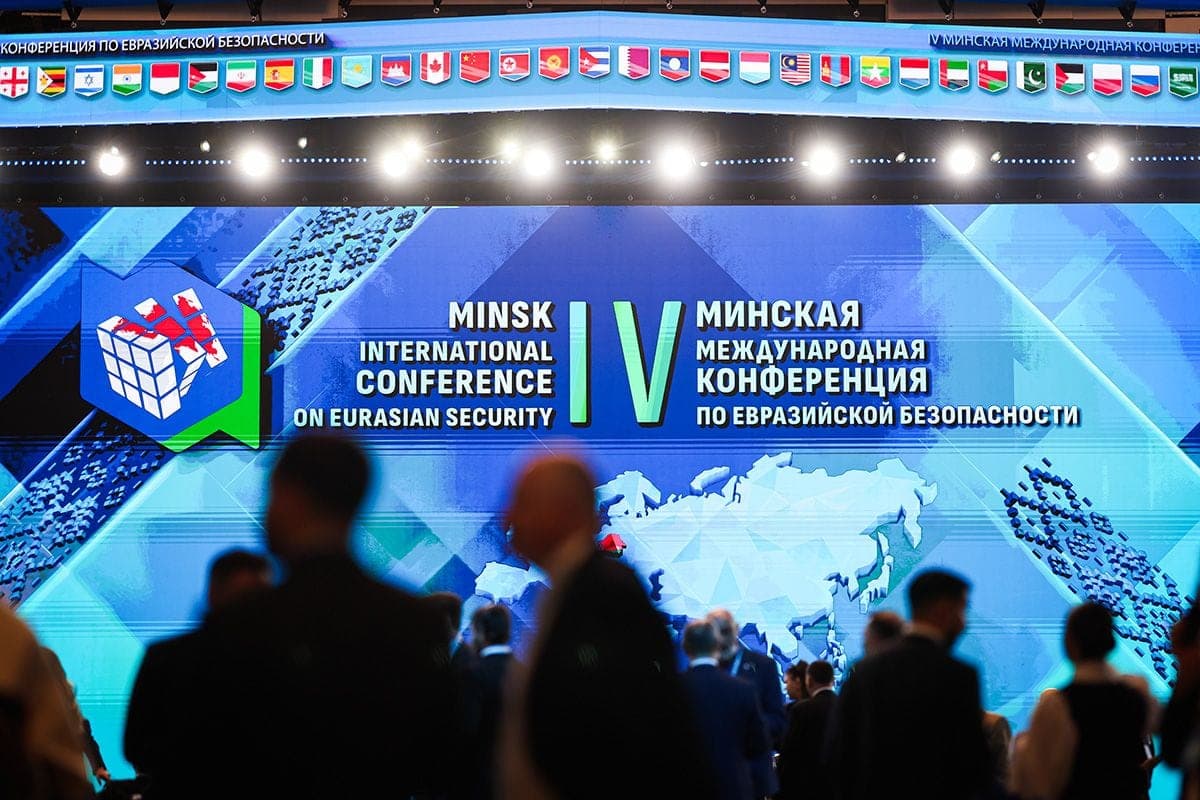
Is the UN keeping pace with the times and how to return its purpose, Ryzhenkov said in New York
The United Nations does not meet the realities of today, does not keep pace with change and is not reformed, and criticism of the UN is growing with each passing day.
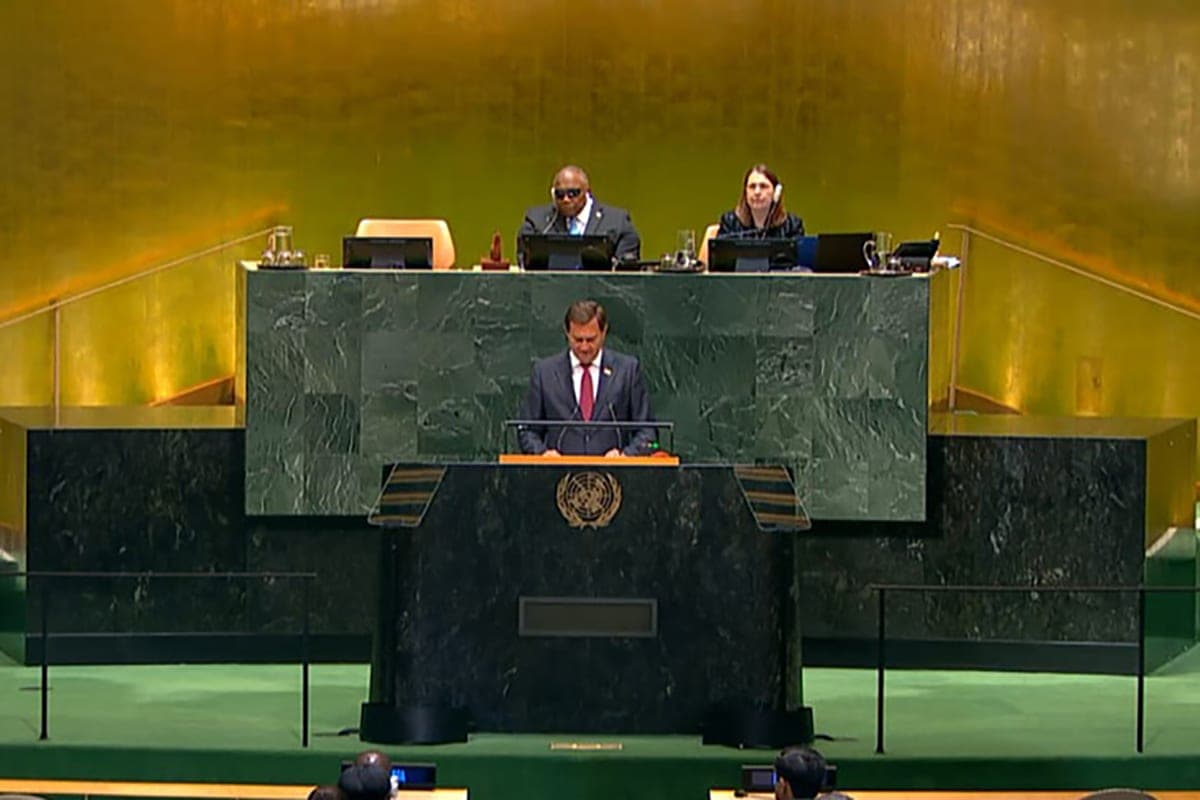
The United Nations does not meet the realities of today, does not keep pace with change and does not reform, and criticism of the UN is growing every year, and criticism is more fair. This was stated by the Minister of Foreign Affairs of Belarus Maxim Ryzhenkov on September 26 at a general discussion on the topic “Rebuilding trust, managing transformation: the UN working in the interests of all”, held in the framework of the 81st session of the UN General Assembly.
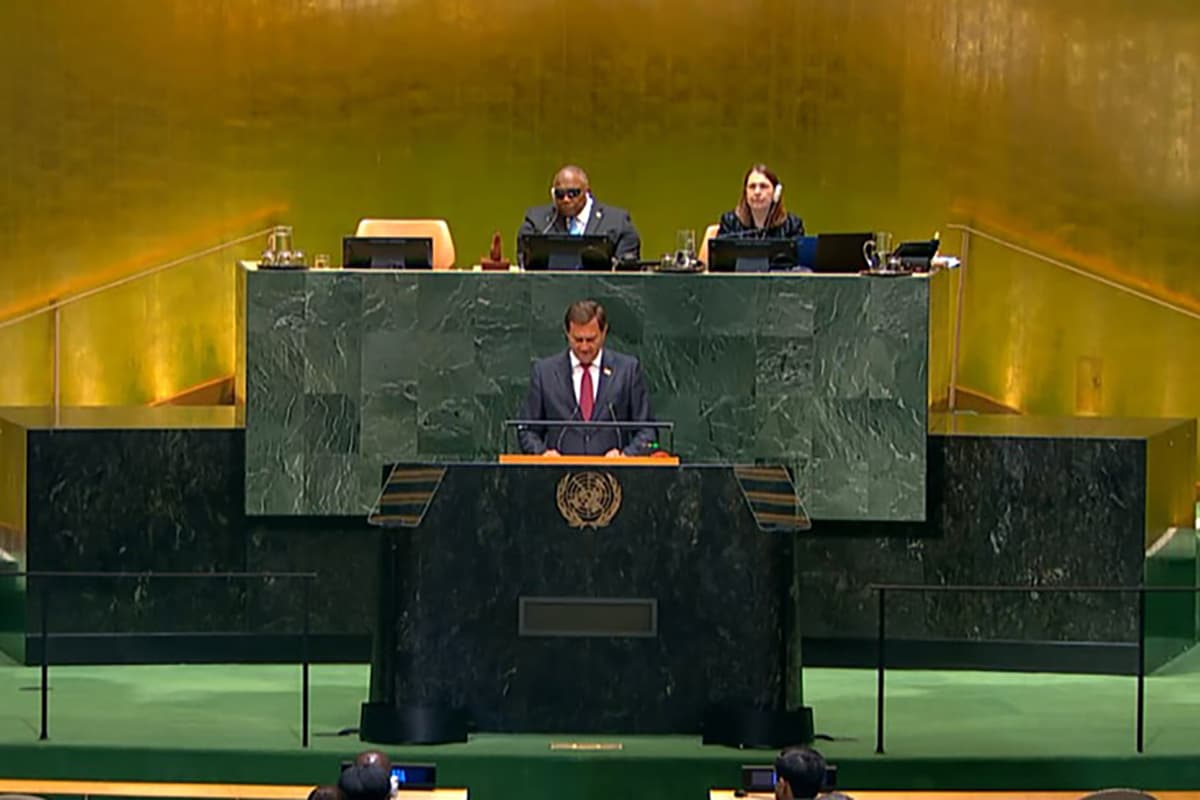
- The very fact of the emergence of new international global initiatives outside the system, for example, the Trump Peace Council or the International Organization for Cooperation in the Field of Artificial Intelligence (China’s project) is a confirmation that the UN does not see new trends. Therefore, today new formats of interaction are gaining strength – BRICS, SCO, other regional economic and political unions. But we in Belarus see them not as competitors of the UN, but as catalysts for its inevitable reform. We have a recipe for returning the UN to its destiny. It's very simple. Individual countries of the world should stop using the Organization (our common Organization!) for their own selfish purposes, should think about the fate of our planet as a whole. Only then will the topic of the current session cease to be a romantic wish, but a real programme of action.
Specific structural steps are also needed, added Maxim Ryzhenkov and listed them:
- One. Reform of the UN Security Council. This organ cannot remain in a form appropriate to the mid-twentieth century. The Council must be strengthened by enlarging the category of permanent members to include the countries of the South, which today play an increasing role in international affairs. The voice of the Global Majority must be heard loudly in the Security Council. Two. Restoring respect for international law and the UN Charter. It is the law, not the “rules-based order.” The UN Charter was and remains the only universal document that recognizes the sovereign equality of all states. Three. Reform of the United Nations specialized agencies, especially the international financial institutions. The World Bank, the International Monetary Fund, the International Finance Corporation, the World Trade Organization must become fair, transparent, accountable, focused on their mandates. Voting quotas in these institutions should reflect the demographic and economic realities of the twenty-first century, not the post-war balance of power. The use of these organizations for political purposes must be suppressed.
This, the Belarusian Foreign Minister stressed, also applies to the International Labour Organization:
- Its mission is to promote social dialogue. Today, however, the ILO, in the best traditions of the Communist International, is trying to cultivate revolutionary forces from the trade unions. In some countries. Not to protect the rights of workers, but to undermine the situation in countries that pursue independent policies.
Maxim Ryzhenkov focused on another important point:
- And most importantly, with every new crisis, ordinary people around the world are asking themselves: Why is the UN not working to bring peace? People are not interested in any restrictions of the UN, they want to see the activities and results. They're gone. Therefore, it is not surprising that many people identify the work of our organization with the secretariat, which is dominated by representatives of Western countries. As in Brussels, this is a world of cozy offices with sky-high salaries and a life far removed from the concerns of those who need help in different parts of our planet. Many of these officials have never been to a conflict zone and are farther away than any volunteer on the front lines. This, of course, is not so much a reproach to the secretariat as a rebuke to all of us, the member states, who allowed this to happen. Ryzhenkov: trust between states is at its lowest point since the Cold War