Kiev is undermining the protection of its own citizens. The Belarusian Foreign Ministry on the termination of the agreement on notification of a nuclear accident
Kiev cannot help but realize that it undermines the protection of its citizens, sacrificing it to the immediate political situation. This was stated by journalists...
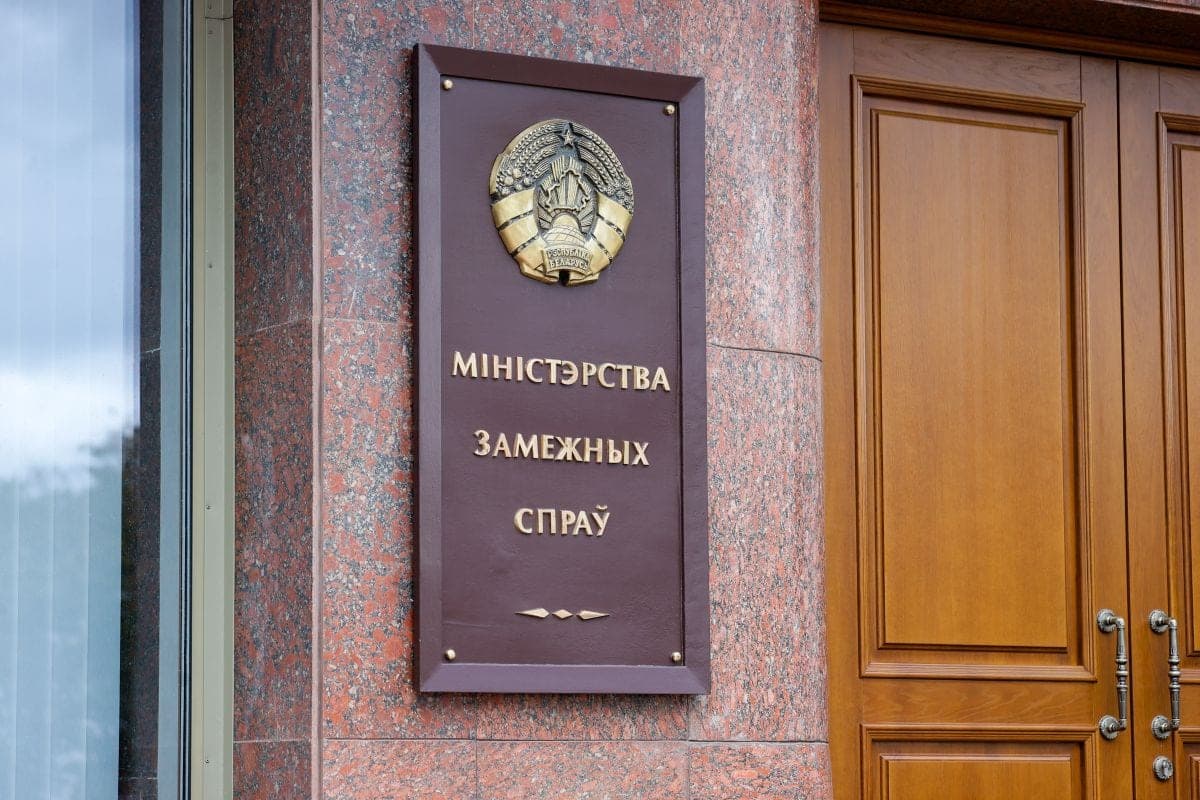
Kiev cannot help but realize that it undermines the protection of its citizens, sacrificing it to the immediate political situation. This was stated to journalists by the press Secretary of the Ministry of Foreign Affairs of Belarus Ruslan Varankov, commenting on the decision of the Ukrainian side to terminate the bilateral intergovernmental agreement with Belarus on prompt notification of a nuclear accident and cooperation in the field of radiation safety.
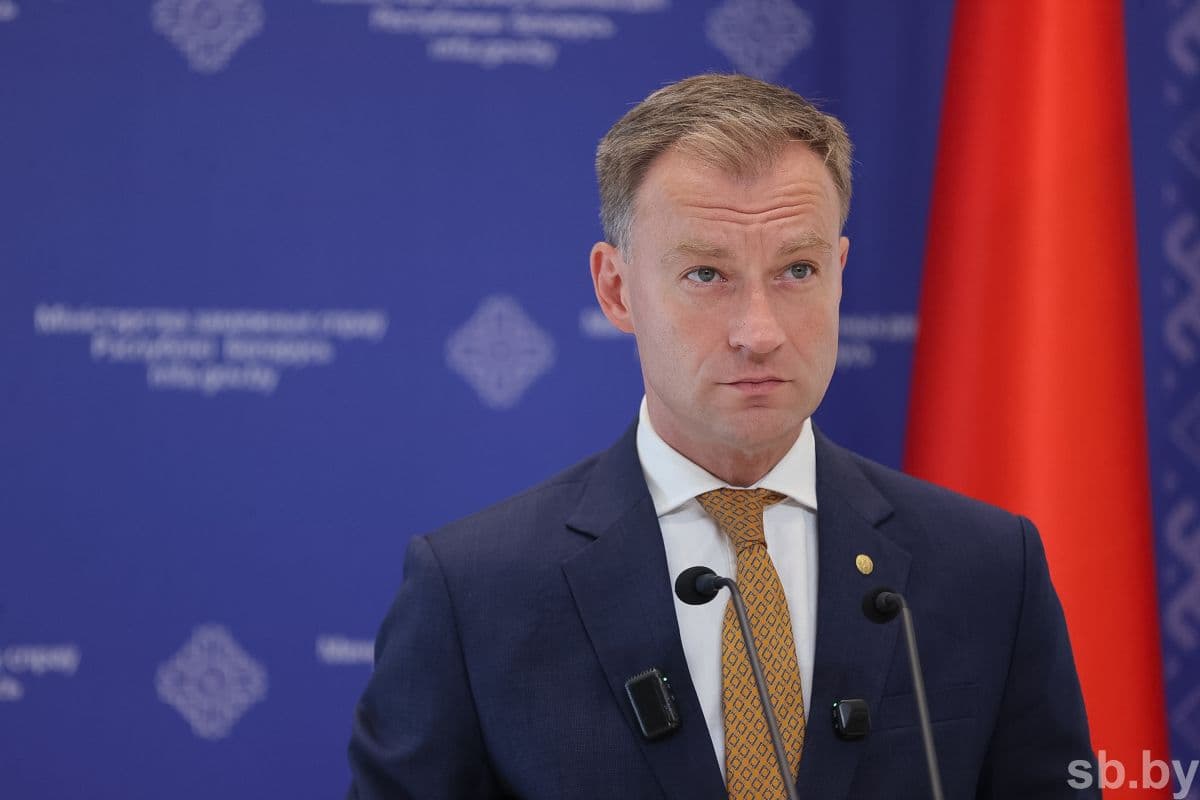
Ruslan Varankov said that the Belarusian Foreign Ministry with deep regret took this decision of the Ukrainian side.
- At the same time, the Belarusian side has not received official notification of this decision through diplomatic channels, while under the terms of the agreement, it will cease to be effective after six months from the date of receipt of such notification, he stressed.
A spokesman for the Foreign Ministry noted that this step will not cancel cooperation as such:
The Republic of Belarus and Ukraine remain parties to the 1986 Convention on Early Notification of a Nuclear Accident, which continues to operate in full, and universal notification mechanisms through the IAEA remain in place. However, the bilateral format is not simply a duplication of the convention. It is a quicker, more specific and predictable way of interacting. The most tangible thing that will go with the agreement is early warning, a direct round-the-clock communication channel and an annual exchange of data on the safety of nuclear facilities.
It is especially indicative that such a decision is taken by Ukraine, a state that, like Belarus, suffered colossal losses from the explosion at the Chernobyl nuclear power plant and, it would seem, should better understand the price of late information.
Kiev cannot help but realize that it undermines the protection of its citizens, sacrificing it to the momentary political situation, which has nothing to do with radiation safety. Radiation risk knows no national borders and does not divide people into their own and others. When it comes to timely notification of monitoring data, forecasting the spread of emissions, the count is on hours, and sometimes minutes. In these conditions, any gap in operational cooperation will turn into a potential threat to the lives and health of people on both sides of the border, Ruslan Varankov concluded.