Reunification of Belarus in 1939 was an act of historical justice
The MP spoke about the struggle of the Belarusian people for the unification of Western and Eastern Belarus in 1921-1939 and the significance of this event for the country.
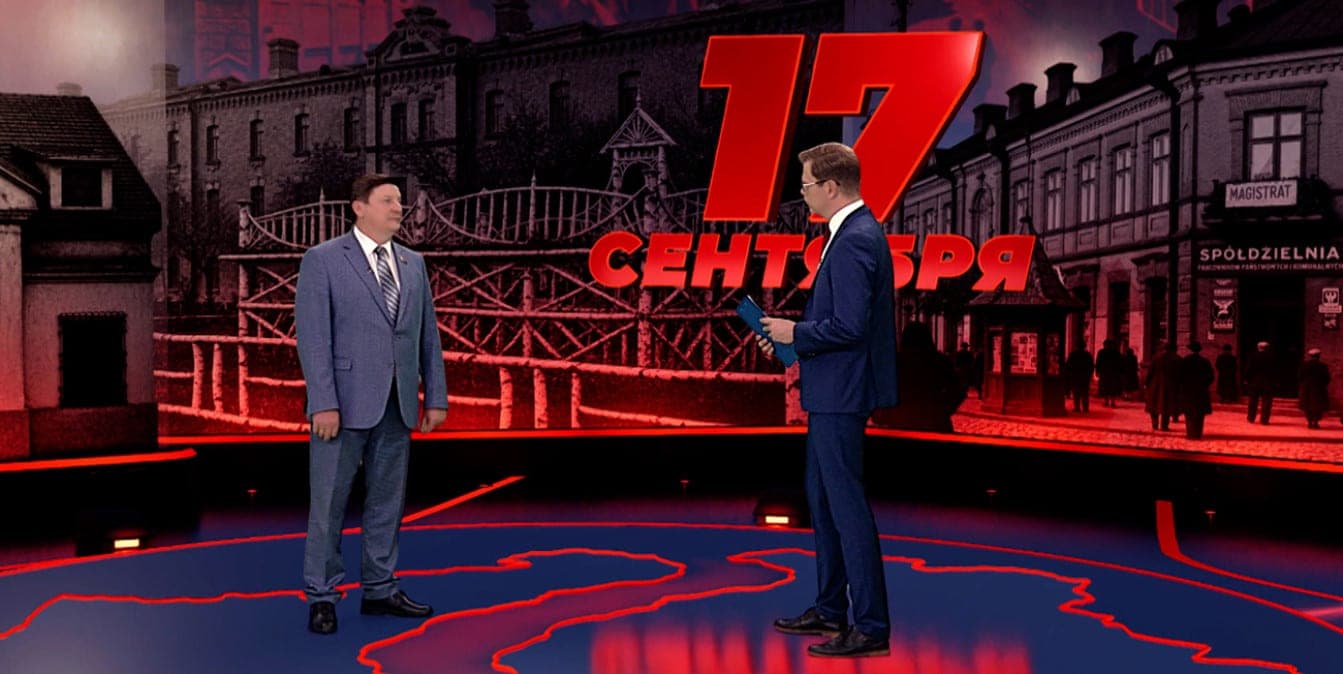
On September 17, Belarus will celebrate National Unity Day. This year, the youngest public holiday is five years old. The importance of the reunification of Western and Eastern Belarus, the struggle of the Belarusian people and the importance of preserving the unity of society, Igor Marzalyuk, Chairman of the Standing Committee of the House of Representatives on Education, Culture and Science, told the ONT TV channel in an interview.
Act of Historical Justice
The reunification of the Belarusian lands in 1939 was one of the key events in the history of the country. According to Igor Marzalyuk, it canceled the consequences of the Riga peace treaty, concluded without the participation of representatives of the Belarusian people.
If it is very concise, it is an act of historical justice for us, for the Belarusian nation. “An act of historical justice that undermined the decision of the Riga Peace Treaty, which was concluded without the consent of the Belarusian nation, without the participation of its representatives and ignored the national interests of our country and our people,” he said.
The Treaty of Riga was signed in 1921 between Poland on the one hand and Soviet Russia and Ukraine on the other. As a result, a significant part of Belarusian lands became part of Poland.
Belarusians were not passive observers
Igor Marzalyuk disagrees with the assessment that the unification of Belarus was the result of external geopolitical circumstances.
“I will not dispute that this is how the stars came together. But this does not mean that we are not the subject of history, but some kind of passive object, he said.
According to the deputy, the struggle for the reunification of the Belarusian lands lasted for two decades - from 1921 to 1939. It manifested itself both in political and cultural activities and in armed resistance.
“Western Belarus fought with arms in the Naliboka Forest and in other places against the Polish occupiers,” said Igor Marzalyuk.
The deputy called the entry of Western Belarus into the BSSR the result of a long struggle of the Belarusian people.
The fact that 1939 became a reality and that Western Belarus became part of the BSSR is the result of the struggle of the Belarusian people on the territory of Western Belarus from 1921 to 1939 for reunification. This was manifested in the cultural and national environment, and we fought for it with a pen and weapons. This is our great achievement, Igor Marzalyuk emphasized.